




Training a puppy is essential, but it is not easy when you are not an expert in the subject. A specialist educator warns against a very common mistake: saying “no” doesn’t work. What should we do instead?
Having a dog brings with it the responsibility to educate it. He must be taught cleanliness, to come back when called, to behave well with humans, his peers or any other animal, etc. It’s constant work and not always easy, especially when you’re poorly informed. So, there is a very recurring mistake in training puppies (and even adult dogs!): saying “no”.
The puppy jumps on someone to say hello, he chews the legs of the sofa, he misses food lying around… When a dog does something that he shouldn’t do, we tend to reprimand him by raising his voice and saying “no” in a firm tone, but this is not a good reflex, warns Kim Paciotti, certified dog trainer, specializing in training puppies. “This creates what educators call ‘learned helplessness’”she explains on Instagram. She adds that studies have shown that education based on punishment, including verbal punishment, is not very effective and can increase fear and stress in the puppy.
Saying “no” may not seem problematic, yet this verbal correction does not achieve the desired result. “When you shout ‘No “, the puppy stops momentarily (maybe). The puppy has no idea what to do instead. The behavior repeats itself because he never learned an alternative. This creates confusion, not clarity”explains Kim Paciotti. In addition, in the long term, by hearing yourself repeating “no” all the time, the puppy may simply stop trying to do new things (which is essential for its development) and withdraw into itself.
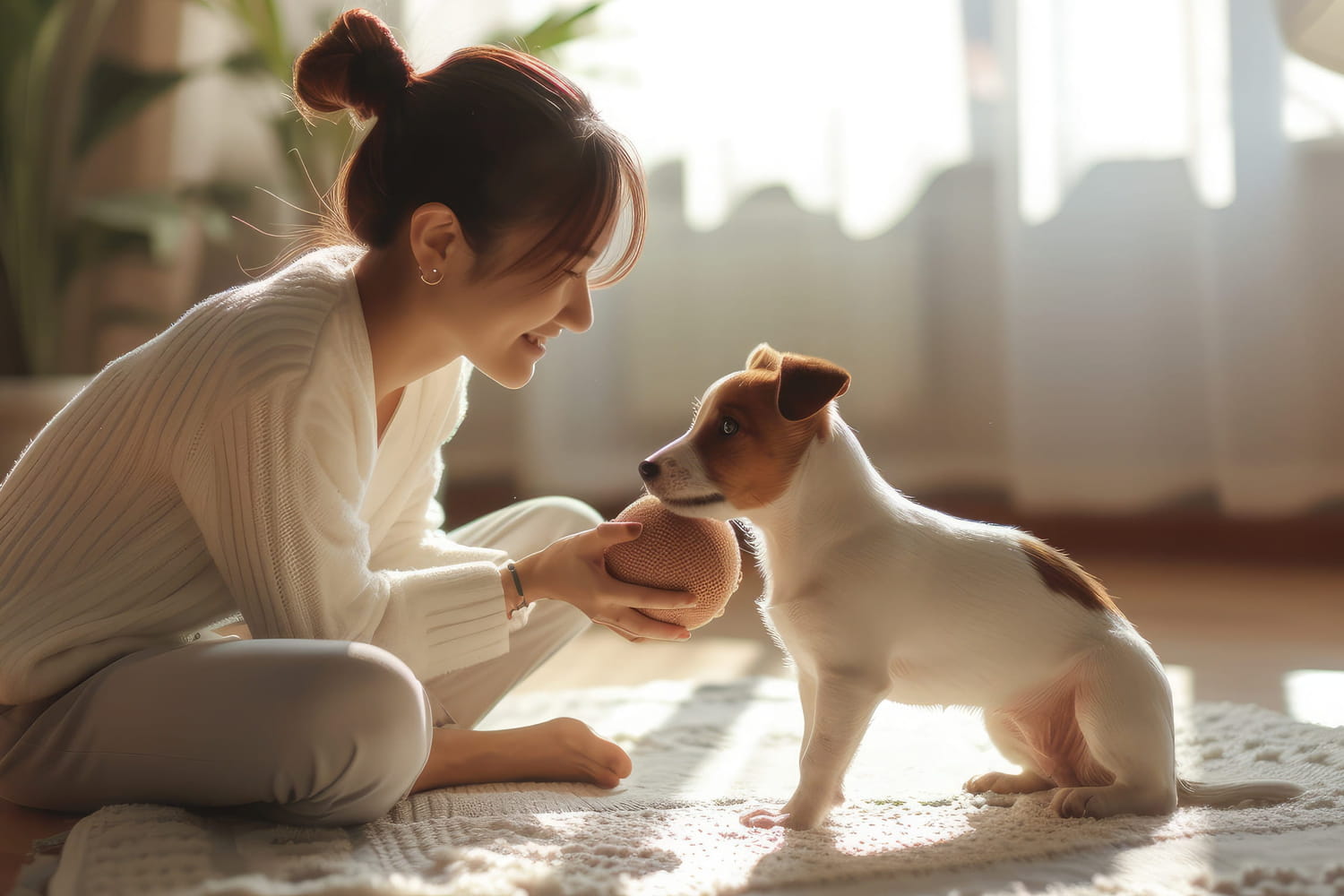
Instead of saying no, the specialist recommends producing a sound that makes the puppy understand that he should not do what he is doing (for example “uh-oh”), while maintaining a calm tone. Immediately, we show him what to do instead and praise him when he does it, which will stop the behavior without creating fear.
Kim Paciotti gives some examples: if he chews a shoe, we give him a toy instead; if he gets on the sofa, we show him the places where he can sit; if he pulls on his leash, we reward him when he walks behind you, etc. Obviously, this can take time and it will certainly be necessary to do it several times before it is acquired. It takes a little patience, but it’s well worth it to have a well-educated puppy that’s comfortable in its paws!