




This is the most important archaeological discovery of the decade in this region.
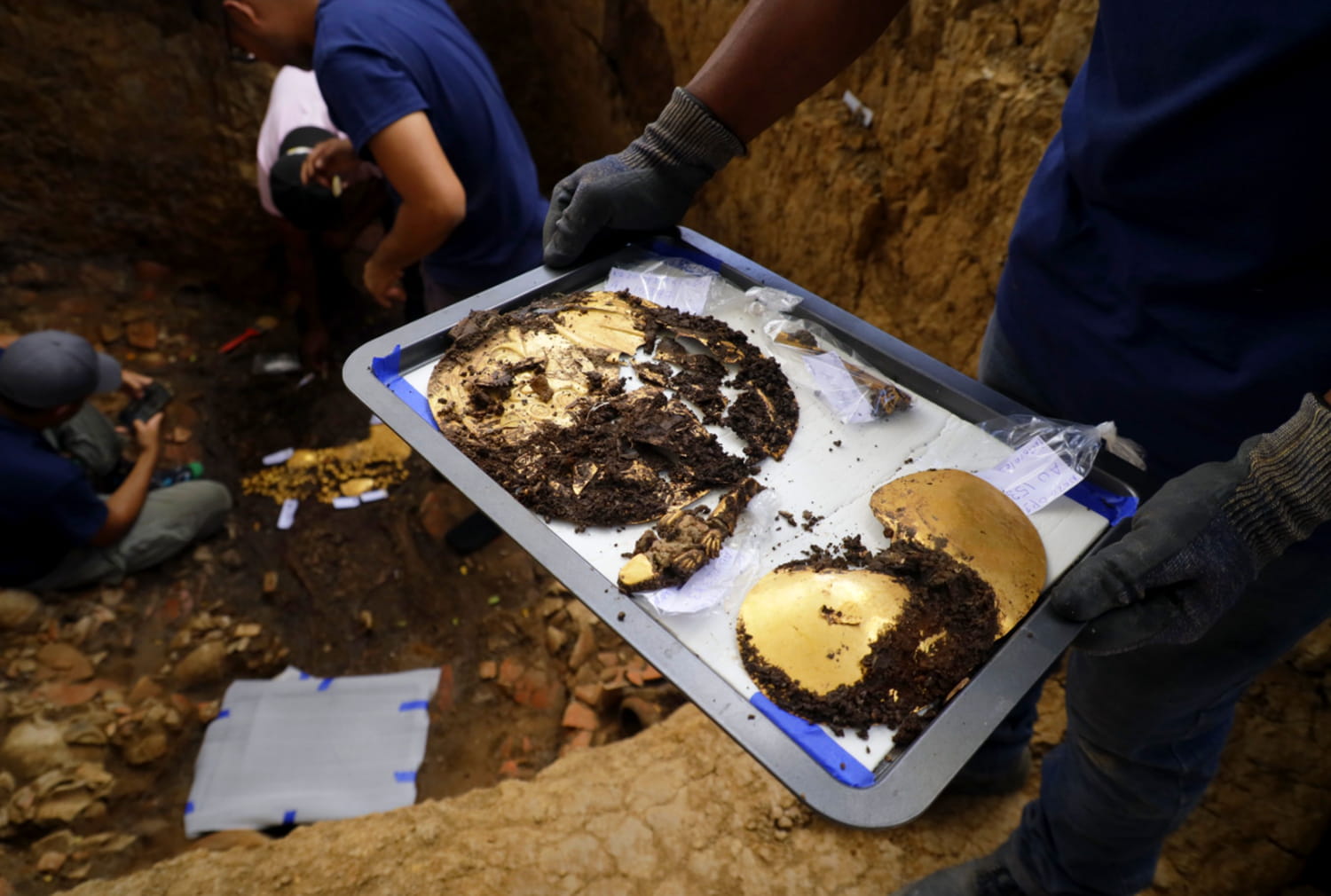
What has just been discovered exceeds the expectations of archaeologists. After the dinosaur eggs, a 1200-year-old burial site, of exceptional richness where gold and precious objects abound, has just been brought to light. The excavations, which began in 2022, revealed their final results at the start of 2026. It was the Ministry of Culture of the region which officially presented them, confirming that it is the most important discovery of the decade of this archaeological park.
For centuries, this secret remained buried several meters underground. It was only very recently that archaeologists were able to access the heart of this “Tomb 9”, a sanctuary inviolate since the year 750 AD. This very well preserved tomb is part of a larger funerary complex already explored on the site, but it stands out for the richness of its contents. Inside, the spectacle took the experts’ breath away: the body of a former warlord literally buried under hundreds of priceless jewels. Archaeologists have found monumental engravings in solid gold, chiselled with half-man, half-animal deities; belts of gold beads and bracelets covering the limbs of the deceased; as well as exotic jewelry combining precious metals and sculpted sperm whale teeth. In total, several dozen gold objects have been identified, testifying to advanced know-how in goldsmithing.
After the end of the mystery of the Nazca Lines in Peru, it was in the archaeological park of El Caño, in Panama in Central America, that the discovery of the thousand-year-old tomb took place. This site confirms the existence of a remarkable pre-Columbian civilization: the Gran Coclé culture, a people of builders and goldsmiths who occupied the region between 200 and 1000 AD, well before the arrival of European explorers.
This discovery also has a darker dimension. The splendor of gold is accompanied by a particular funeral practice. The excavations, led by Doctor Julia Mayo, revealed that the late Lord Coclé was not alone in his tomb. To accompany him on his journey to the afterlife, several people were sacrificed and buried with him. The bodies were placed all around forming a collective burial in the middle of the treasure.
“We know that these were what we call multiple and simultaneous burials. They consist of burying a variable number of people (between 8 and 32 individuals) in the same grave, because for these societies, death did not represent an end, but a transition to another phase where social status remained important.“, explained Dr Mayo during the official presentation of the excavation results.
The excavations are not yet finished. Archaeologists are convinced that other royal burials still lie dormant beneath Panama’s red earth, ready to reveal new treasures or previously unknown rituals. This discovery already allows us to better understand the social organization and beliefs of the Gran Coclé culture, by highlighting the central role of elites and the importance of funerary rituals in these pre-Columbian societies.