





As you approach menopause, it may be more difficult to lose weight. Very often, a reflex that almost all of us have is not for nothing.
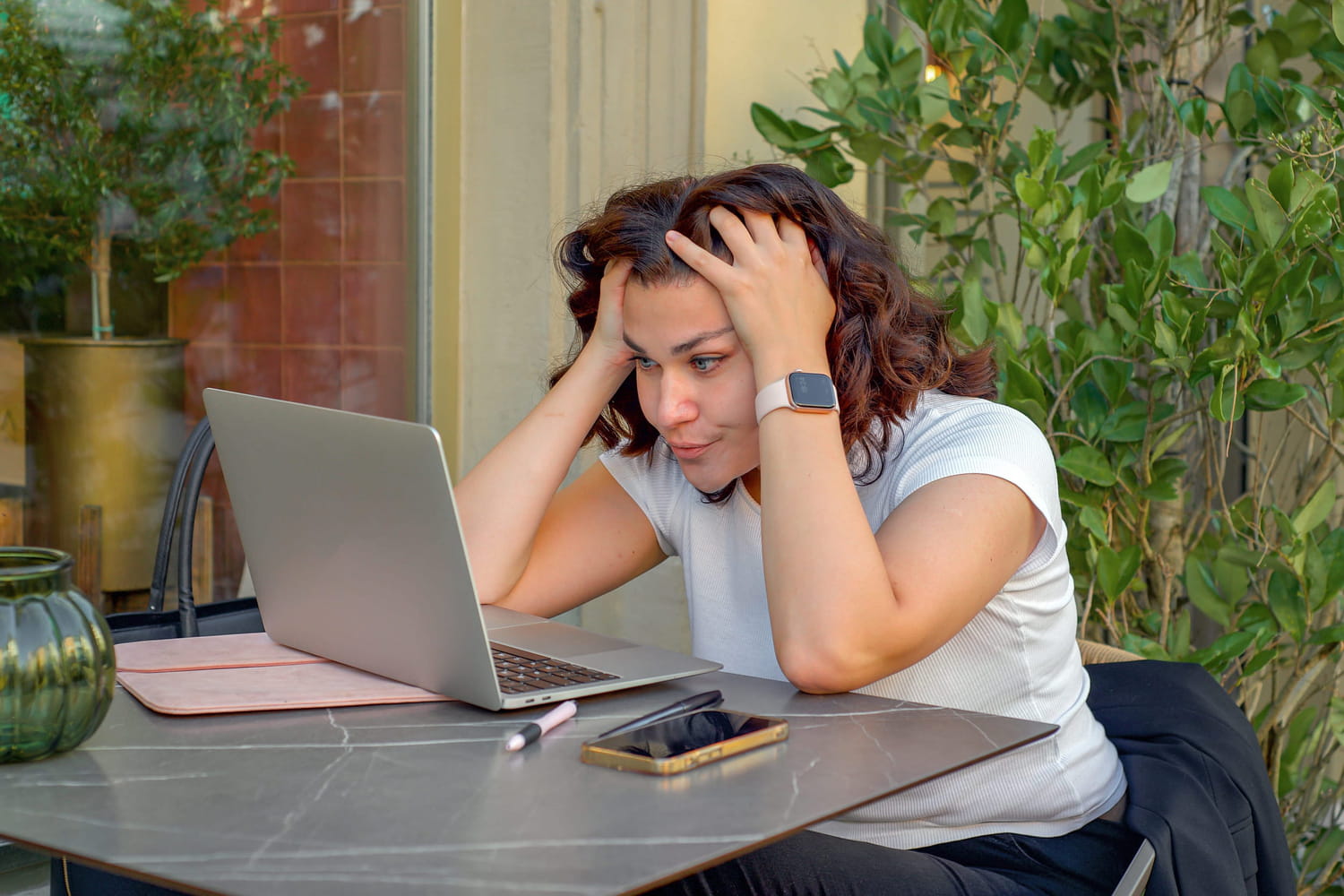
Clichés die hard, especially when it comes to losing weight. Most of the time, we start with the same pattern: more exercise and lower calorie intake. Yet for many women, especially those approaching or past their forties, this approach is often ineffective. In fact, we do not rebalance our diet in the same way at 30 as at 40. The body undergoes changes, both at the muscular and hormonal levels. As the cycle progresses and we enter perimenopause, placing restrictions on the body is not only untenable — it can be completely counterproductive. Explanation.
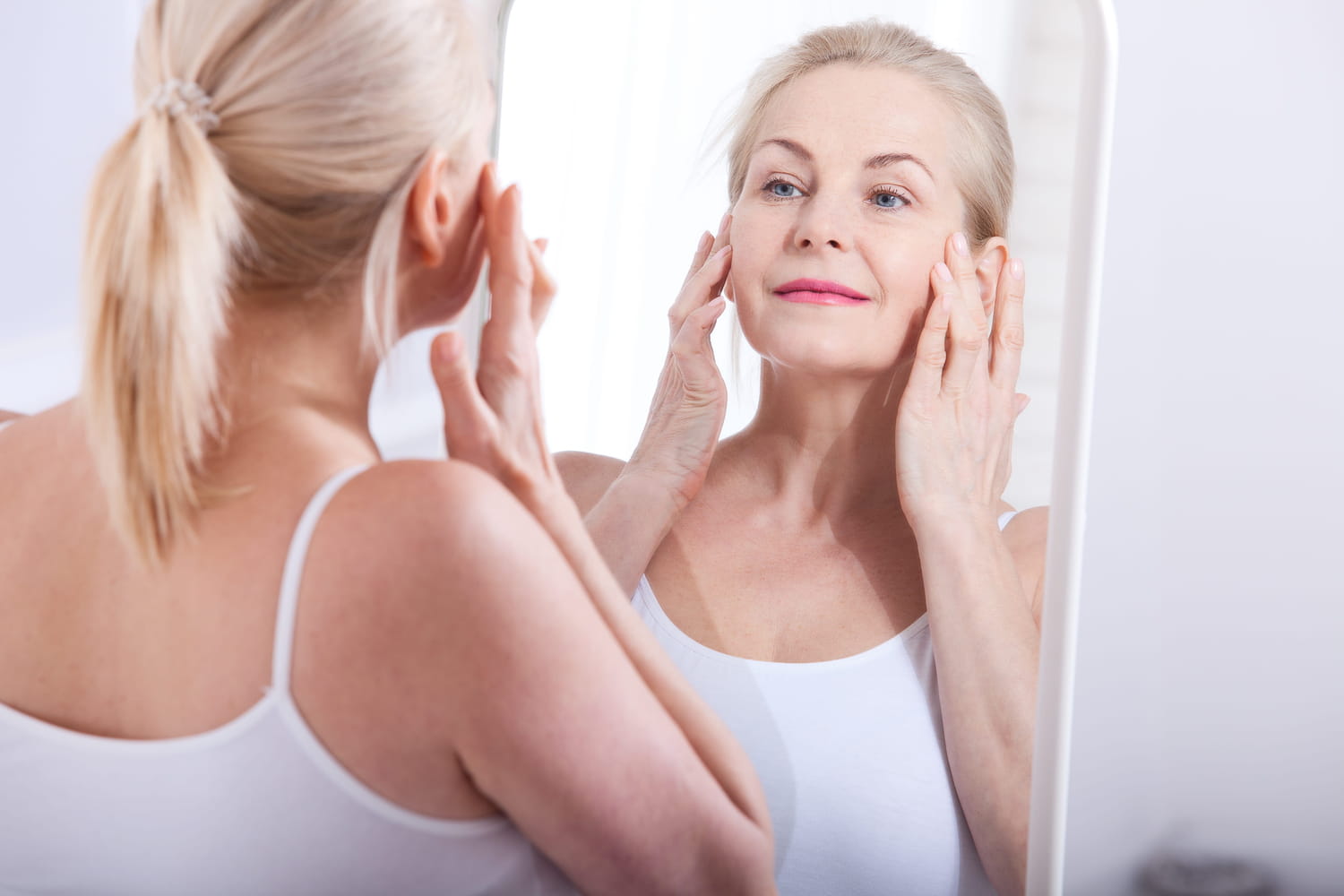
In the long term, excessive restrictions do not work, especially after the age of 45. As menopause approaches, estrogen drops sharply, which slows metabolism and promotes fat storage. Muscle wasting also occurs, which reduces the body’s ability to burn calories at rest. In these cases, the number one reflex is to put yourself in a calorie deficit. A very common mistake that is actually counterproductive. This leads to exhaustion, lack of energy, and often a body that clings to its weight rather than freeing itself from it. When a calorie deficit is too severe, the body does not respond by burning fat as one might hope. On the contrary, it goes into survival mode and preserves its energy reserves in the face of what it perceives as a shortage. It then becomes important to change the way you think about weight loss and diet.
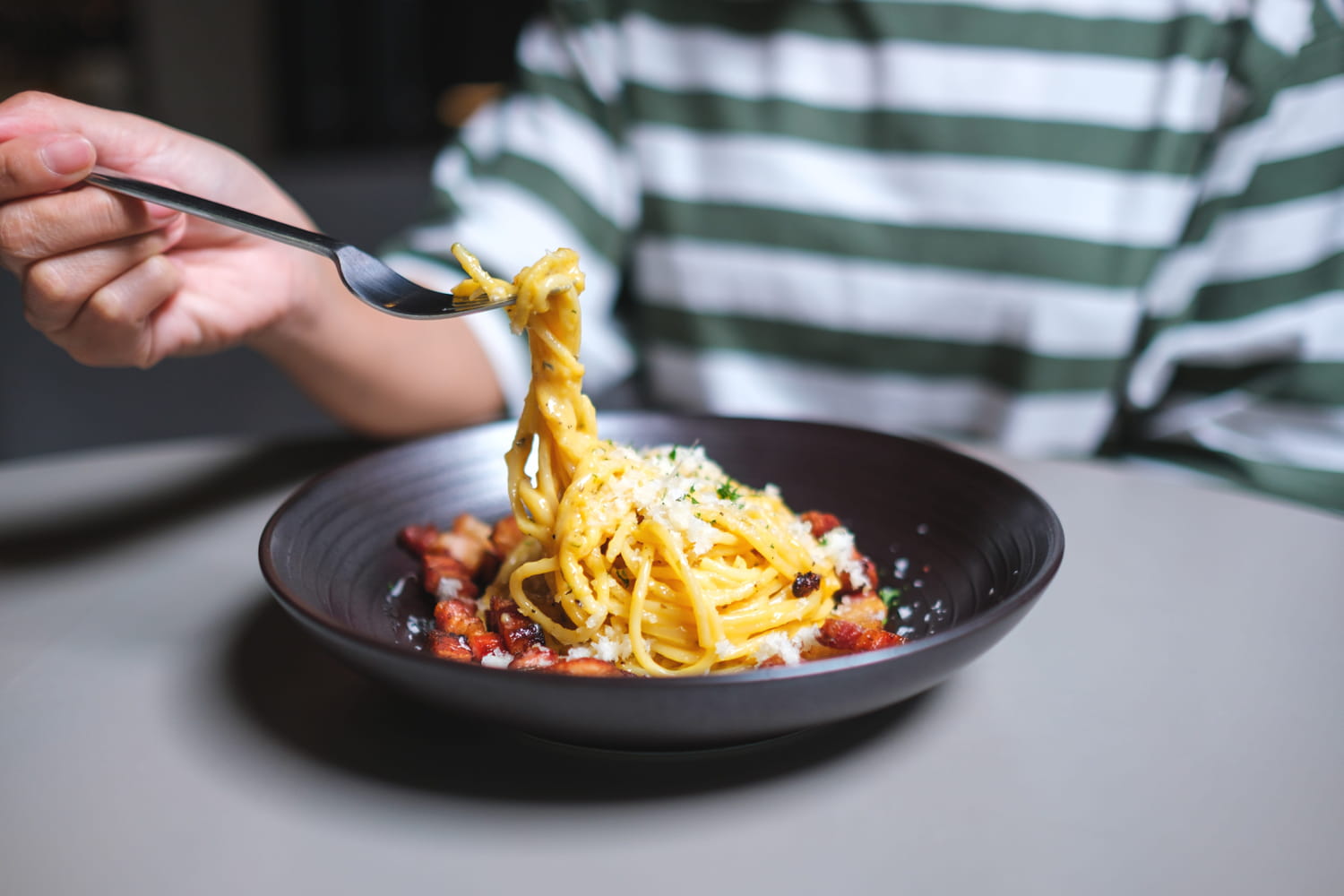
Be careful, for weight loss, a calorie deficit is necessary. This is indeed a reality. On the other hand, it is important not to starve yourself and to nourish your body correctly. For a successful dietary rebalancing, after a certain age, we increase the doses of proteins and fibers, all without forgetting an intake of fats and carbohydrates.
When it comes to sport, we certainly don’t neglect muscle strengthening in order to maintain a certain mass. Yes, the less muscle you have, the more your resting metabolism decreases, which encourages weight gain. Put together, these reflexes will generate real changes in the silhouette but also in energy.