





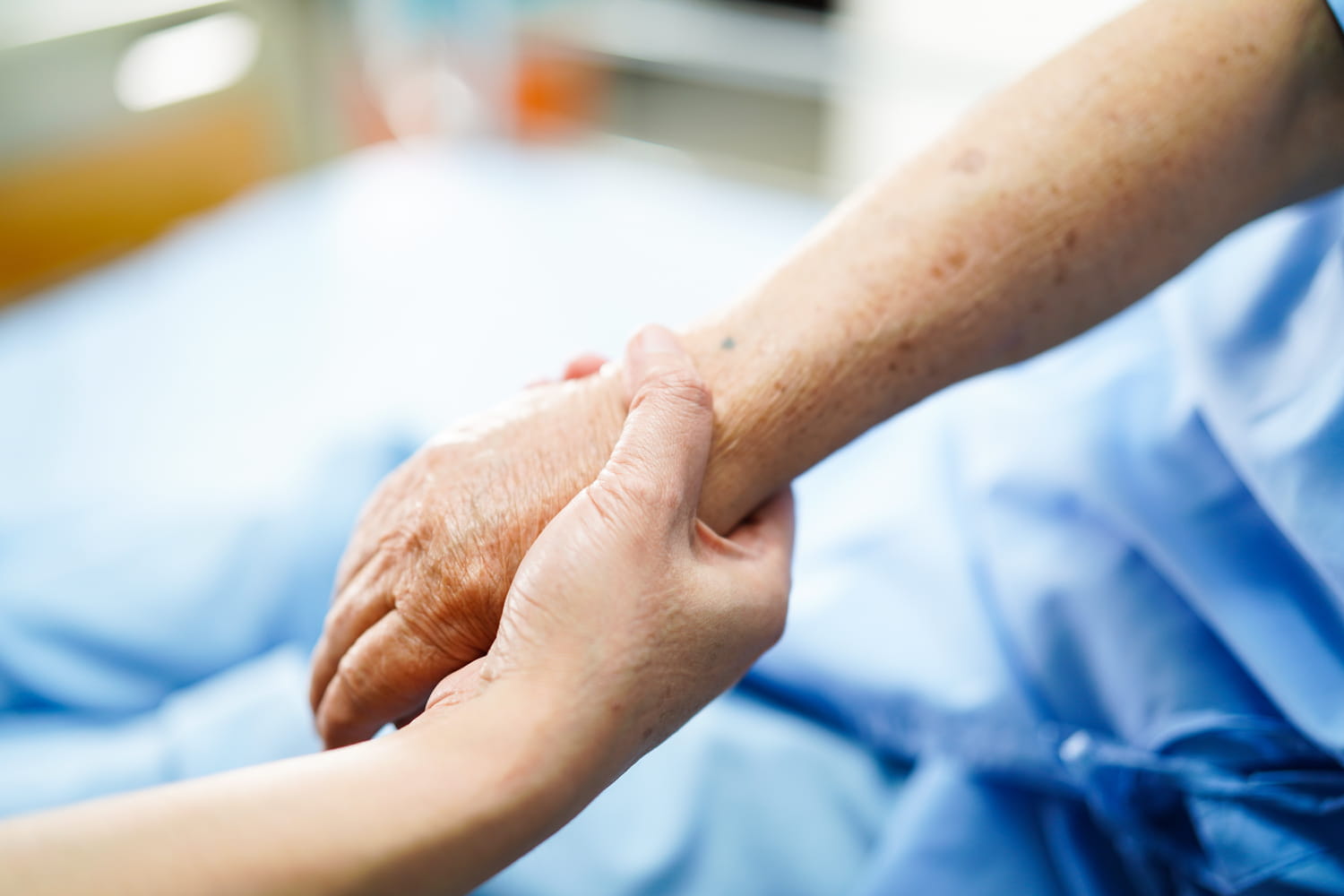
In hospital, a caregiver is faced with the end of life on average 27 times a year and 15% of these deaths occur suddenly.
The mental health of caregivers is put to the test on a daily basis. In hospitals, these professionals are regularly confronted with difficult situations, such as the end of patients’ lives. After having administered the last treatments, they resume their service with other patients, which clearly illustrates the frantic pace of their profession. A report entitled “The Survivors”, resulting from a national survey carried out by Professor Thibaud Damy (cardiologist), highlights an often ignored aspect of their reality: the psychological suffering of hospital caregivers. Faced with frequent end-of-life situations, these professionals suffer a lack of adequate training and psychological support, leading to a form of moral exhaustion that is often invisible. This report highlights a strange paradox: a health system which, to treat others, ends up sacrificing the mental health of its own caregivers.
Among the 384 French caregivers surveyed, 93% believe they have received no specific training to deal with these emotional challenges and 64% do not benefit from any help after a death. The hospital environment often requires caregivers, particularly young professionals, to independently manage their emotions, without any real support. Although solidarity between colleagues can offer occasional support, hospital structures lack formal mechanisms to encourage the expression and sharing of the difficulties encountered. Behind the appearance of professionalism lies an unspoken mechanism: shut up, move on, get back to work. Professor Damy raises a crucial point: “Caregivers are not machines. They absorb distress, pain. And we leave them alone with that“.
In hospital, a caregiver is faced with the end of life on average 27 times a year and 15% of these deaths occur suddenly. Faced with this, symptoms of stress and emotional fatigue affect a large majority of the staff interviewed: they feel emotionally drained, “at the end of their rope” at the end of the day and they feel frequent frustration. One in two caregivers experience high professional burnout.
The COVID-19 pandemic has accentuated this psychological distress. Caregivers who have taken care of infected patients present more post-traumatic symptoms: intrusive thoughts, sleep disorders, increased nervousness. For Professor Damy, this period played a revealing role: it revealed an already latent exhaustion in hospital services.
The “Survivors” project is not limited to drawing up an observation. It makes 6 recommendations intended for health establishments, training institutions and public decision-makers: training in relationships, systematic psychological support, promoting emotional intelligence, organizing regular speaking spaces, supporting the after-effects of Covid, formalizing mortuary support.