






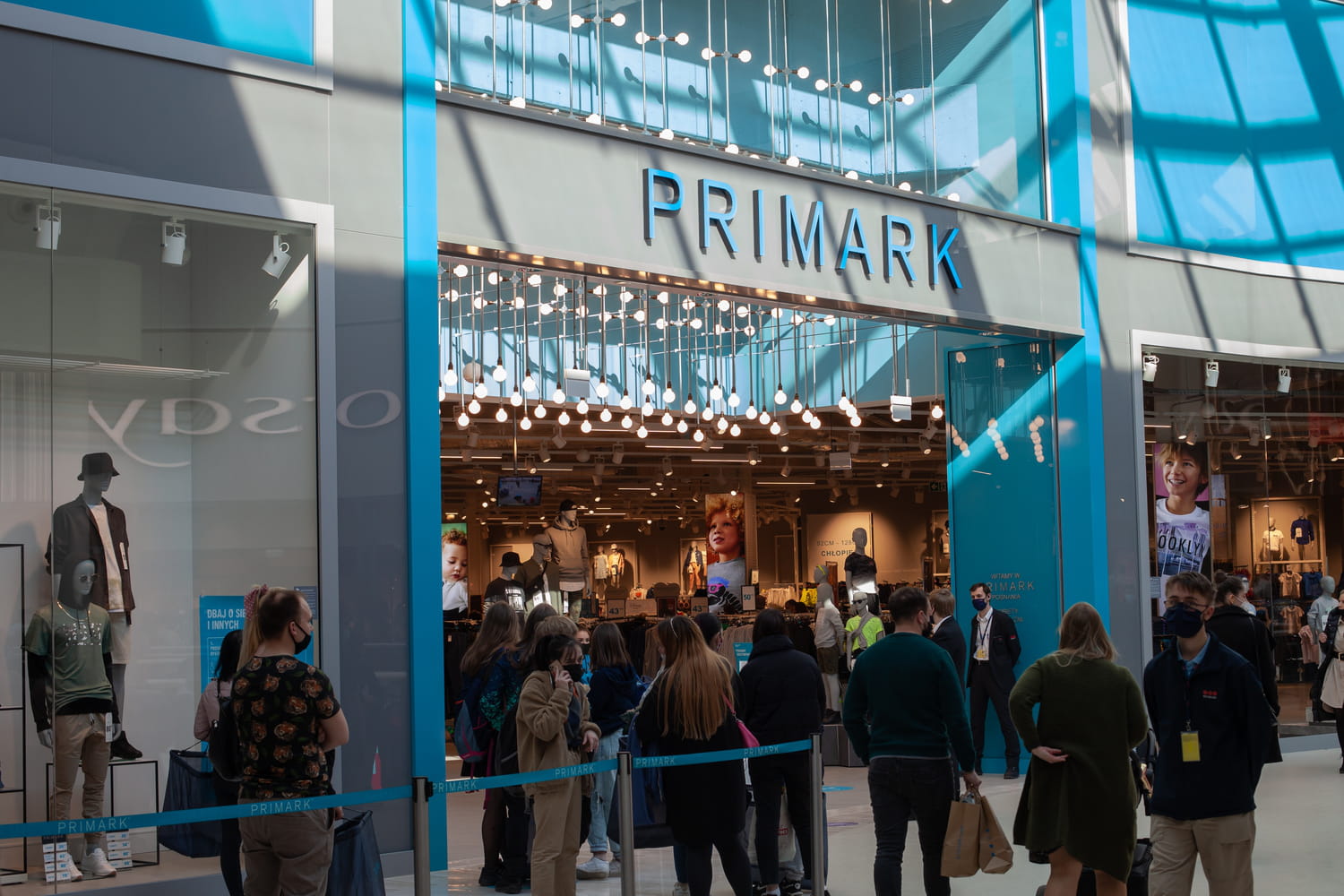
We go into Primark for jeans or a sweater, we come out with a shopping bag full of clothes. In the aisles of this fashion superstore, a very specific organizational detail influences us to push us to purchase.
When you browse the fast-fashion aisles of Primark to renew your wardrobe, it’s hard not to think of a legendary brand. We all remember those afternoons in the Tati department store, famous for its slogan “Tati, the lowest prices” and her pink gingham shopping bag. At the time, people came to rummage through huge bins overflowing with clothes to find inexpensive pants, summer dresses, underwear or lingerie for the whole family. Nothing was put away, you had to plunge your hands into the articles of clothing and rummage among the hangers. Today, at Primark, the scenario repeats itself. Despite the piles of t-shirts and sweatshirts in disarray, we spends hours in the women’s or men’s section But it is not only the attraction of the price that makes us fill the cart: a formidable psychological trick linked to this nostalgia is at work.
And the results prove that the method works wonderfully. With global turnover now exceeding 11 billion euros (nearly £9.5 billion) in its latest annual results and sales steadily increasing, the Irish brand is demonstrating the power of its model. Without even having a real online sales site to sell its stocks, the brand is breaking records for in-store attendance.
Behind this apparent disorder lies a well-established technique of mass distribution. Studies show that searching for a ready-to-wear item increases the time spent in the clothing section and the volume of clothes in the basket. When a shelf is perfectly folded, the customer quickly identifies the product and leaves. Conversely, faced with a pile of pleated skirts, denim shorts, tank tops and sweaters in the bins of this fashion supermarket, we rummage. The effort made to find the right size outfit creates a psychological attachment. The more we handle a piece of clothing, the more we are pushed to buy it.
Imagine the scene: you go from one rack of coats to another, you compare two sizes of jeans or flowing blouses, you hesitate between several pairs of socks or opaque tights, and you finally find the mid-season jacket hidden under a pile of knitted sweaters. The brand is deliberately banking on this happy mess to boost your clothing purchases. Finding a cheap outfit under a mountain of textiles gives the impression of a victory, of a good deal. Basically, this clothing supermarket takes us back to the nostalgia of the treasure hunt.
Just like at Tati in the past, people come and browse to fill their wardrobe with new trendy outfits and accessories. The next time you go to the checkout, remember: your compulsive purchases result above all from this dreaded illusion of finding something.