by Riccardo Liguori
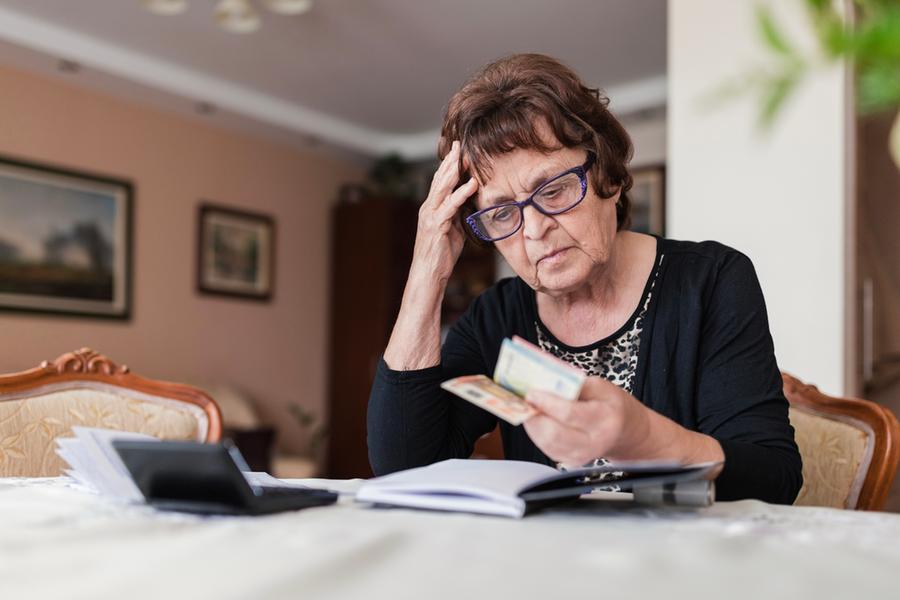
The 4.6% increase in electricity bills for the July-September quarter came into effect on July 1, 2026. The tariff update, officially established by ARERA (the Energy, Networks and Environment Regulatory Authority), affects approximately three million families considered vulnerable who benefit from the Greater Protection service. This change affects domestic budgets coinciding precisely with the increase in summer consumption linked to air conditioning.
According to the data provided by the Authority, the increase is mainly due to the growth in energy prices on the wholesale markets. Both the expected increase in seasonal demand and the persistent international uncertainties that influence the prices of energy raw materials weigh on this dynamic. The adjustment of system charges also has an impact, while the reduction of fixed marketing quotas only partially mitigates the overall increase. From 1 July the reference price for the typical vulnerable customer stands at 31.63 euro cents per kilowatt hourtaxes and duties included, divided between procurement, marketing, transport and meter management.
The Adiconsum association specifies that the Greater Protection regime, despite this increase, remains the most protected instrument from the tariff pitfalls of the free market. This happens thanks to the presence of tariffs supervised by the public authority and the total absence of unilateral changes or misleading contractual deadlines. For this reason, the association recalls that all citizens who are currently in the free market but who meet the legal requirements to be considered vulnerable have the full right to request re-entry into the state protection service.
To limit the impact of spending, Adiconsum provides four precise practical indications to consumers. First of all, it invites you to verify that you meet the vulnerability requirements and access the social bonus, which is activated automatically via low ISEE. He then suggests using the ARERA Offer Portal to compare contracts. On a daily domestic level, he recommends eliminating stand-by consumption of appliances, using LED bulbs and optimizing the use of washing machines and air conditioners during the most economical hours. Finally, it proposes evaluating the installation of domestic photovoltaic systems to self-produce energy and permanently reduce fixed costs.
Together with the tariffs for the vulnerable, ARERA has ordered an increase of approximately 10% in the Asos component of the system charges. This bill item is paid by all 30 million Italian domestic customers and small businesses, regardless of whether they are in the free market or under protection. The measure involves an overall cost estimated at one billion euros per year and was introduced to restore the liquidity of the Energy Services Fund (Csea), reduced due to the management costs of the new incentives for renewable sources.