





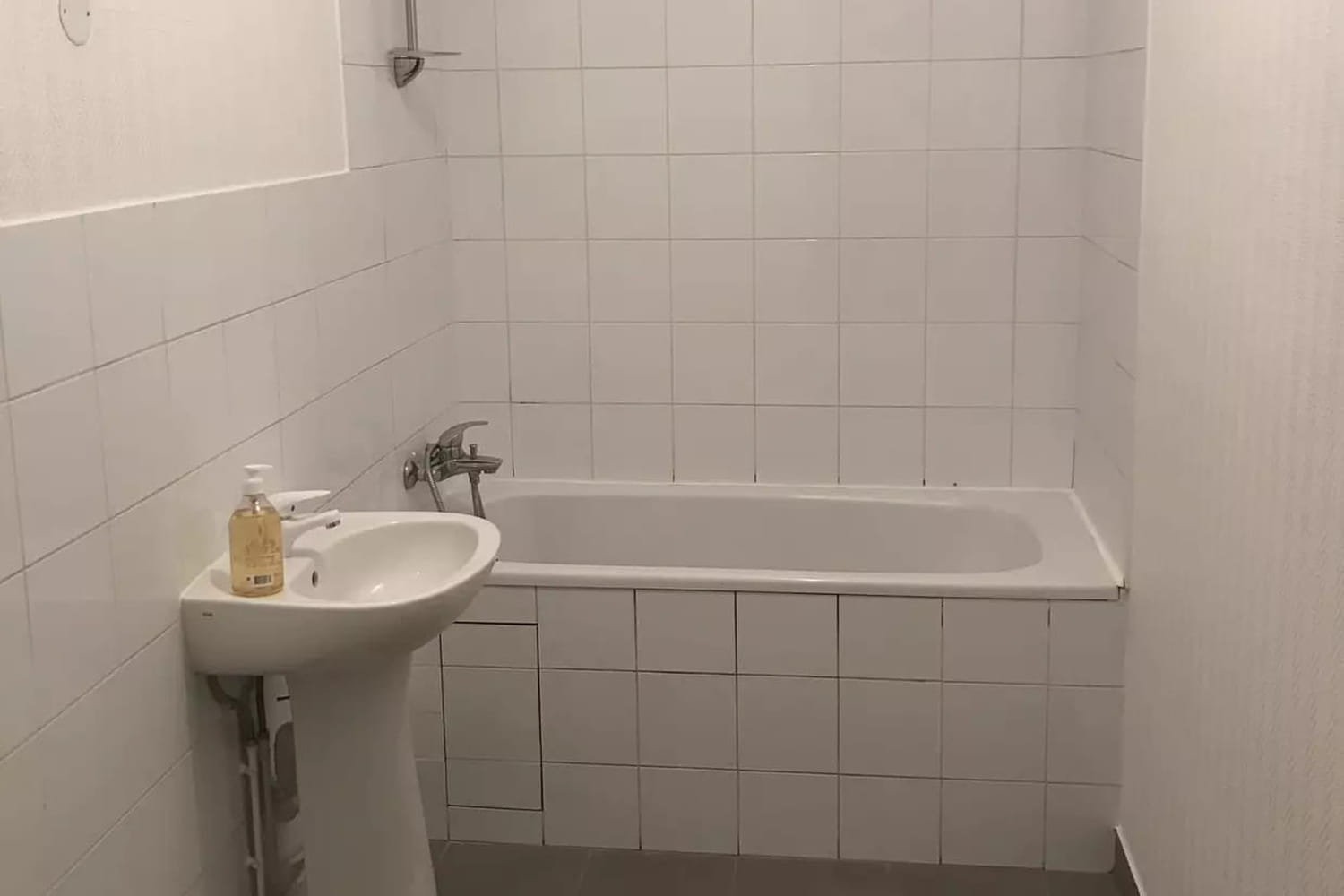





The real risk is not always hidden in the displayed price, but in the questions that the buyer did not dare to ask before signing. An apartment can seem perfect, pleasant, bright, well located, recently renovated… and hide a joint ownership in difficulty, heavy work already voted on or daily nuisances which make life impossible and can quickly make you regret your purchase. But once the compromise is signed, it is often too late to go back.
Many buyers focus on the sale price and the amount of notary fees, but forget to question everything that really weighs on the final cost: calls for funds, exceptional charges, co-ownership disputes, unpaid debts or even the presence of short-term rentals in the building. These elements can represent much more than a few thousand euros negotiated on the purchase price.
What you absolutely must ask during the visit
First reflex: go beyond simple aesthetic logic. A beautiful kitchen or a bright living room say nothing about the financial health of the building. It’s necessary ask if any procedures are in progress in the co-ownership, if there are unpaidbut also if the building accommodates rentals short-term Airbnb type or liberal professions generating a lot of traffic.
“Often, buyers do not think to ask if there are procedures in the co-ownership, short-term rental or a liberal profession in the building. However, it completely changes everyday life”explains Jack Nguyen, agency manager at House Partners.
Another question often forgotten: that of multi-year work plan (PPT) and of global technical diagnosis (DTG). Since the entry into force of the Climate and Resilience law of 2021, these documents have become central in many co-ownerships. They make it possible to anticipate major work to come: renovation, roof, elevator, energy renovation… and especially their cost.
The dated pre-state, this document rarely requested
Among the neglected questions, that of dated pre-state comes back often. This document, requested from the trustee before the sale, allows you to know the real financial situation of the co-ownership: budget for the last two years, possible unpaid bills, calls for charges, works funds, working capital or the sums that the buyer will sometimes have to reimburse the seller.“The dated pre-statement is almost never requested before. Customers often discover too late that they will have to repay the works fund, working capital or certain reserves to the seller.underlines the professional.
Depending on the buildings, this sum can represent several hundred, even several thousand euros, totally absent from the first budget simulations.“When I talk about the dated pre-state, many owners and buyers discover its existence. However, this document allows us to immediately understand the financial health of the co-ownership and the amounts that may remain the responsibility of the buyer.he observes.
Questions about fees that arise after signing
Another common oversight: ask specifically what fees will continue to fall after purchase. Pro rata of charges, share of property taxbudgetary regularization of co-ownership or reimbursement of the works fund can quickly add to the bill.
It is also useful to check if part of the costs incurred by the notary can be recovered after the sale.“Many buyers are unaware that they can recover a balance a few months after signing. Sometimes there are 300 to 400 euros left over that they had not anticipated”specifies Jack Nguyen.
Finally, even when a renovation has been voted on, it is necessary to ask whether a challenge to the general assembly remains possible. Some work may be canceled or replacedupsetting the financial balance of the operation.
Buying a property is therefore not just about checking out a crush. The most uncomfortable questions are often the ones that are most protective. And in real estate, it’s rarely the visible surprises that cost the most.


