





Cortisone, prednisone, hydrocortisone: everything you need to know about steroidal anti-inflammatories, their use and precautions for use with pharmacist Nicolas Vinel.
Anti-inflammatories are symptomatic drugs: they do not fight against the cause of a disease, but against one of its symptoms, inflammation. This immune reaction to external aggression is completely normal, but it can be painful and annoying.
What is a steroidal anti-inflammatory drug?
“There are two main types of anti-inflammatories, explains Nicolas Vinel, pharmacist in the 11th arrondissement of Paris. Non-steroidal anti-inflammatory drugs, among which the best known are aspirin or ibuprofen. Steroidal anti-inflammatories are corticosteroids, derived from cortisol and cortisone, and have a more powerful effect. Among the most commonly used steroidal anti-inflammatories are prednisone, prednisolone and methylprednisolone. Other molecules such as betamethasone or dexamethasone have a more prolonged effect in the body.
What is the difference between steroidal and non-steroidal anti-inflammatories?
The main difference is simple: steroidal anti-inflammatories contain cortisone (or cortisone derivatives called corticosteroids), unlike non-steroidal anti-inflammatories such as ibuprofen or aspirin which do not contain it. Cortisone is much more powerful at fighting inflammation, but it also has more side effects. This is why corticosteroids are generally reserved for severe inflammation and require a medical prescription, while many non-steroidal anti-inflammatories are available without a prescription to treat everyday pain and inflammation.
Mechanism of action: what are the effects of steroidal anti-inflammatories?
Steroidal anti-inflammatories work by imitating a hormone naturally produced by our body: cortisol. This hormone, secreted by the adrenal glands, plays the role of a natural anti-inflammatory by calming inflammatory reactions to an infection, injury or allergy. “But in the event of major infections, the secretion is insufficient (to control inflammation, editor’s note).” explains the pharmacist. Corticosteroids (prednisone, dexamethasone, etc.) are therefore molecules manufactured in the laboratory which reproduce the structure of cortisol, but in a more concentrated and more effective version, with a much stronger and faster anti-inflammatory effect.
List and examples of steroidal anti-inflammatories
Steroidal anti-inflammatories include all medications based on corticosteroids. We mainly distinguish:
► Glucocorticoids (most used for their anti-inflammatory action):
- prednisone (e.g. Cortancyl®)
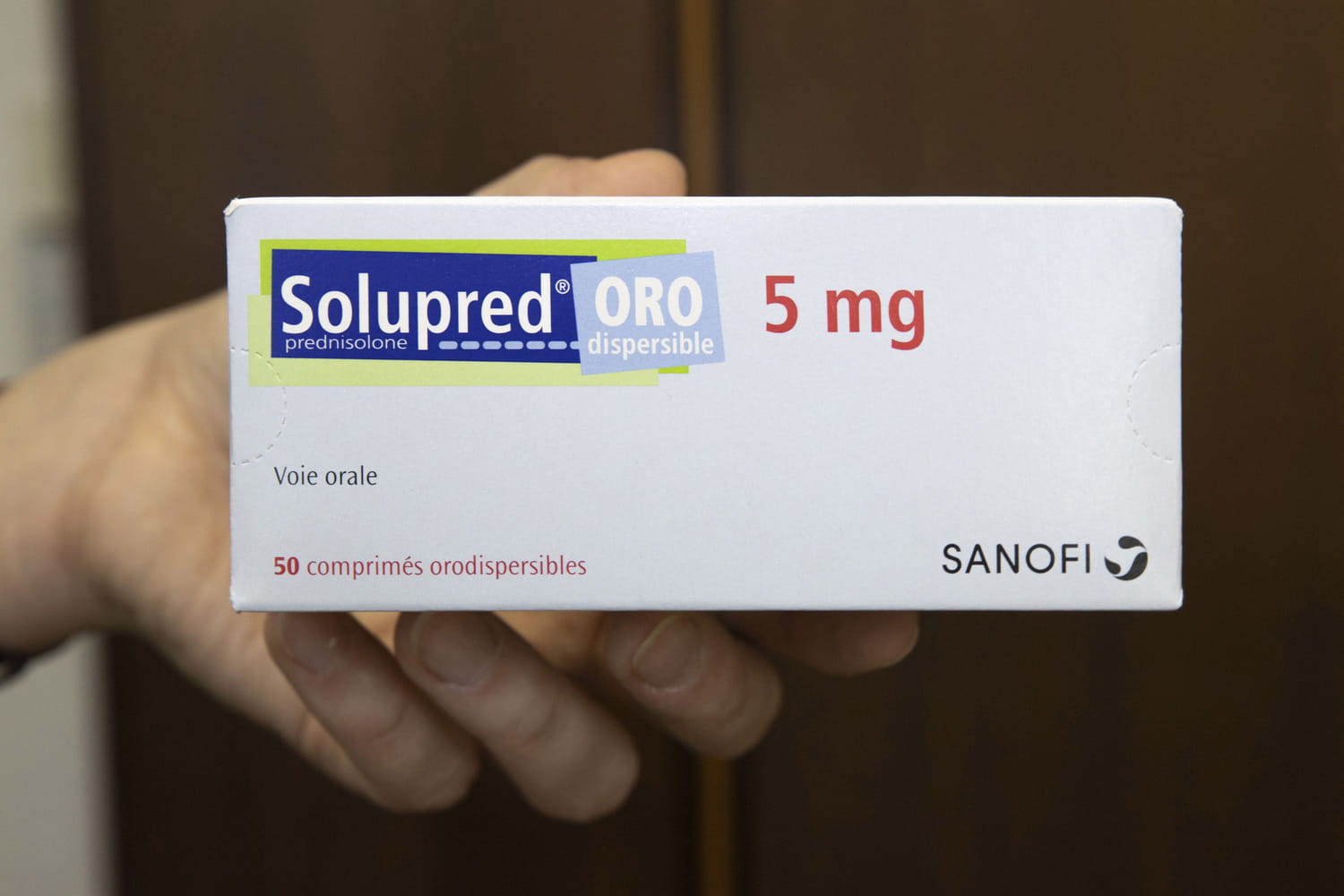
- prednisolone (e.g. Solupred®)
- methylprednisolone (e.g. Medrol®, Solumédrol®)
- dexamethasone (e.g. Decadron®, Neofordex®)
- betamethasone (e.g. Célestène®, Diprostène®)
- hydrocortisone (local or injectable forms)
- triamcinolone (e.g. Kenacort®)
► Mineralocorticoids: mainly used to replace certain hormones in cases of adrenal insufficiency (Fludrocortisone – Florinef®).
► Certain corticosteroids can also be combined with other medications in combined formulations:
- Célestamine® (corticoid + antihistamine)
- local associations (creams, eye drops, ear drops, etc.)
What side effects?
Steroidal anti-inflammatories are effective, “but in the long term, there may be side effects” warns the pharmacist. The main ones are skin reactions such as skin which can become fragile with the appearance of stretch marks, dryness of the skin, difficulty healing, but also weight gain. “There may be a tendency to swell the cheeks and water retention”specifies the pharmacist. There is also a higher risk of infections due to reduced immunity, digestive disorders (ulcers in particular), the appearance or worsening of a diabetic condition, the appearance or increase of high blood pressure. “At higher doses and in the long term, we can have vision problems (even cataracts) and weakening of the bones linked to osteoporosis.” There may also be psychiatric disorders (hyperexcitation then depression).
Precautions: salt-free diet, stomach pain, etc.
Long-term use of corticosteroids can cause swelling. “It is therefore necessary to follow a salt-free diet, to drink plenty of water and sometimes to provide a potassium supplement,” explains the pharmacist. Furthermore, they can cause stomach pain even after a very short intake of 2-3 days. “To avoid stomach problems, it is better to take the medication in the middle of the meal. In the event of heartburn, the treatment must be combined with an anti-secretory acid, such as Omeprazole®”, adds the healthcare professional. If taking steroidal anti-inflammatories long-term, it is preferable to take calcium and vitamin D supplements to prevent bone demineralization.
Advice on stopping treatment
When taking corticosteroids for a long time, the pharmacist recommends being careful when stopping treatment: “Taking these medications has the side effect of putting our own cortisol production to rest. We must therefore stop the treatment gradually so that the body has time to get back on track.”
Can you get it without a prescription?
“Steroidal anti-inflammatories cannot be sold without a prescription,” replies pharmacist Nicolas Vinel. These medications are too strong to take without medical supervision. Consultation with a doctor is essential to determine the correct dosage. Each case is different.