



Cyclone Harry has devastated many more things than what we see in the videos and photos published in recent days, and what cannot be shown is undoubtedly the pain of the people involved. But they are not the only ones who feel the burning salt in the wound. Even those who live far away like me participate in some way in the consequences of an announced disaster.
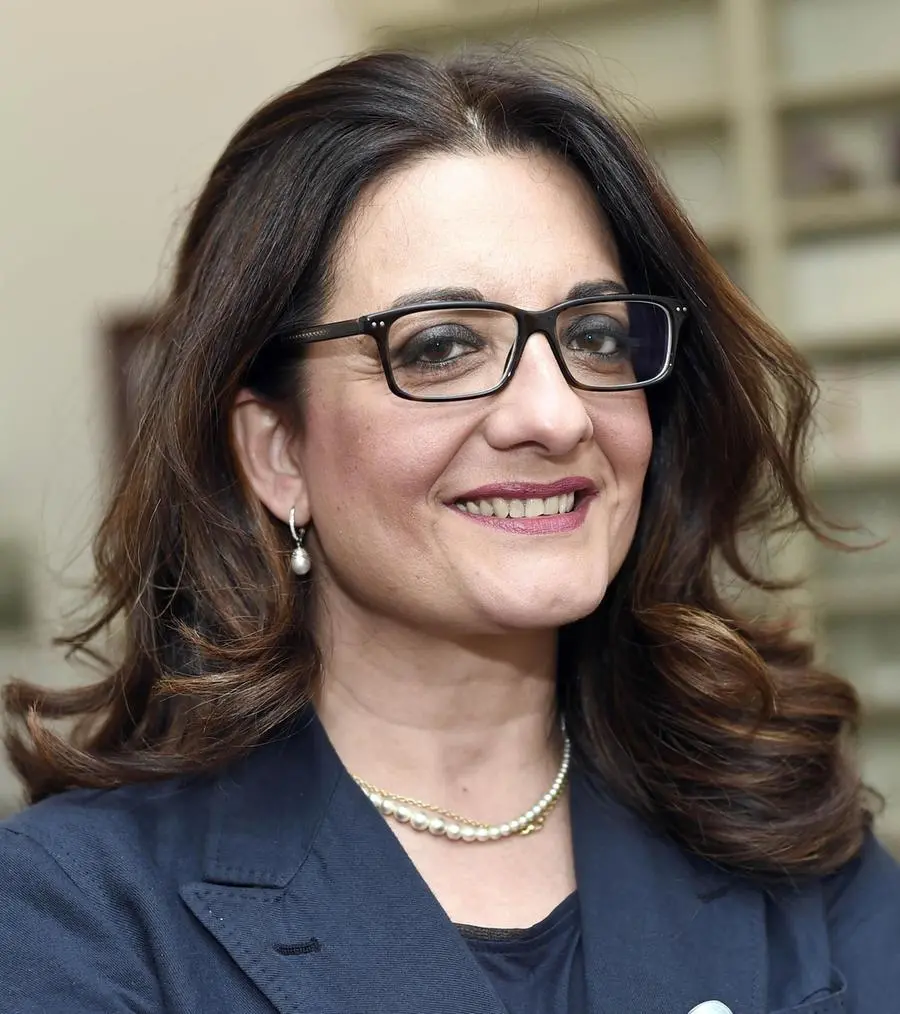
The writer Catena Fiorello
(HANDLE)
Those who are tied to their land (our region, Sicily, one of the most affected), suffer when faced with images of this magnitude. For days my friends and relatives had been writing to me about an agonizing wait, and they were preparing to lock themselves in the house, but deep down inside each of them there was the hope that in the end it would be less dramatic than expected. Until the last night, the most violent, the one that destroyed houses, streets, businesses, leaving debris and rubble that came to light.
Italy, as we know, is a peninsula at very high hydrogeological risk and the seismic spectrum also appears on the list, however, in recent decades, politics has done very little to take action, and there has also been a certain carelessness in granting permits and authorisations, and not only in Sicily. But beyond analyzes of this type, which at certain times are not needed (but necessary before and after), I feel like wishing my fellow countrymen the strength to rise again in the way we have been used to doing for millennia.
There is something extraordinary that happens whenever our island is violated in its beauty, and it is a pride that belongs to my people. And it doesn’t even matter how much financial resources each one can count on.
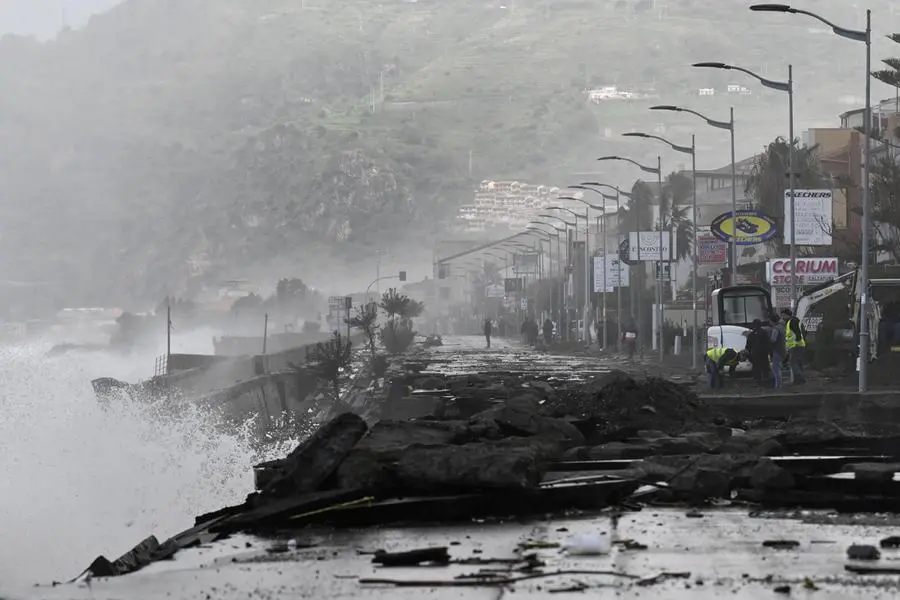
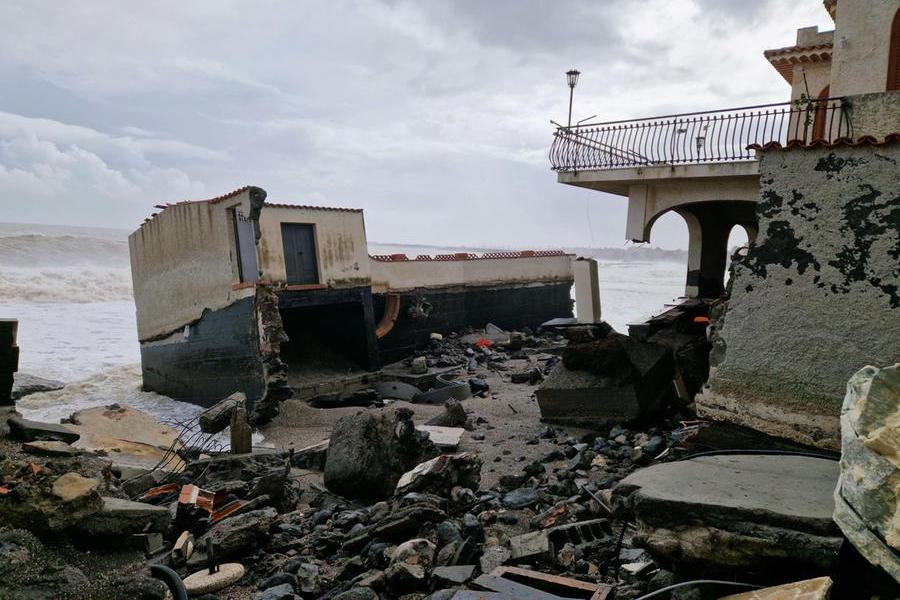
The effects of the cyclone on the seafront of Santa Teresa di Riva in Sicily
(HANDLE)
The temper is that of people accustomed to difficulties, no one likes to lose heart. Better to fight with mud in your hands than complain and rail against those who forget. Yesterday, a phone call from a dear friend, who for us is family, dear Carmelo Nicitaa greengrocer and more (when needed he is available for any eventuality), cheered us up quite a bit in a phone call which, created to convey our affection and concern to him, became an act of courage in reverse. Carmelo told us that he was happy that nothing serious had happened to him and his loved ones, and not only to them. No one in town was hurt. This matters, he underlined, for the rest we will roll up our sleeves and do our part, even if many commercial activities are on their knees.
Many beaches, restaurants, bars on the seafront no longer exist. In various places the road that runs along the beaches has been swallowed up by the earth.
I expected to hear him in tears, destroyed, and he certainly wasn’t rejoicing, but he had chosen a different attitude than expected. It was like receiving a sudden caress.
There are people who, even in the worst situations, prefer to look forward. When the most precious good – that indispensable good called life – has been secured, we cannot wallow in despair. And fighting for the common good means becoming an example for others. What moved me most about this phone call was the last information that Carmelo wanted to give us. He knew, even though he hadn’t asked him so as not to pile up question after question, that we were worried about our father’s grave in the cemetery, and he, being the generous and attentive person he is, assured us that everything was fine there. A few hours earlier he had made a reconnaissance tour, and while he was there between checks on the graves of his relatives he also included that of “uncle Nicola”.
They are small details that give a sense of solidarity. And it is the worst occasions that show who is the good sailor in a storm. We would like to do without them, of course, but if they happen let them at least serve some purpose.
Let’s go Sicilians, Sardinians and Calabrians. We’ll make it this time too.