



A gust around the Five Circles whispered before the start that in Coni’s projections for Milano Cortina 2026 there was a potential to 30 medals and that the plausible external objective was the 20 medals of Lillehammer 1994, with the advantage of the Team eventrelay races for nations that add up the performances of the individuals and which did not exist at the time and which mean a greater number of medals awarded.
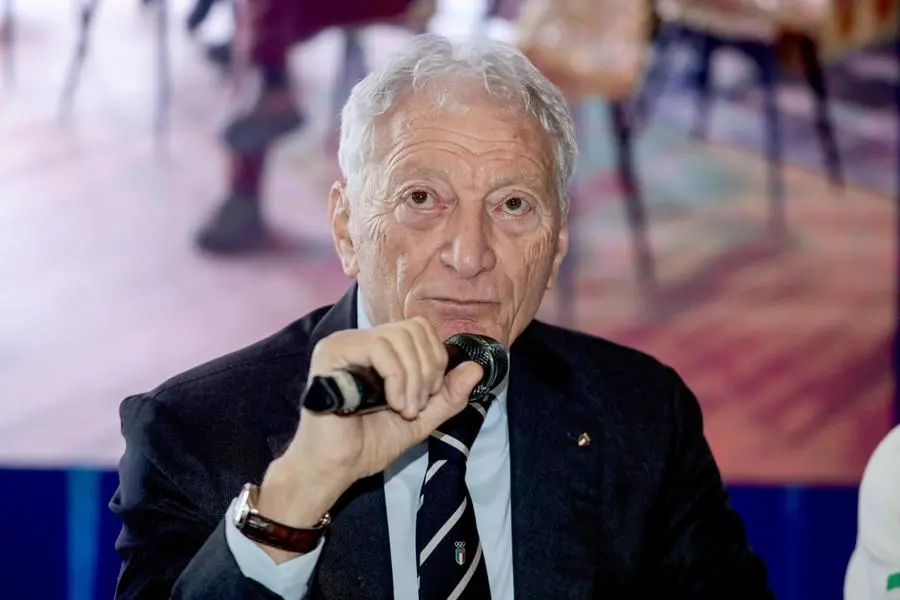
The words of President of CONI Luciano Buonfigliocoming from canoeing and elected to the National Olympic Committee last year, are more than understandably satisfied in the final assessment of the Games. For a moment he attempted to reveal the substance of the projections which was immediately stopped by the Secretary General: “Confidential”, top secret, secret if not of the Committee State. But in short, the numbers had to be more or less the same: 30 medals as the maximum goal.
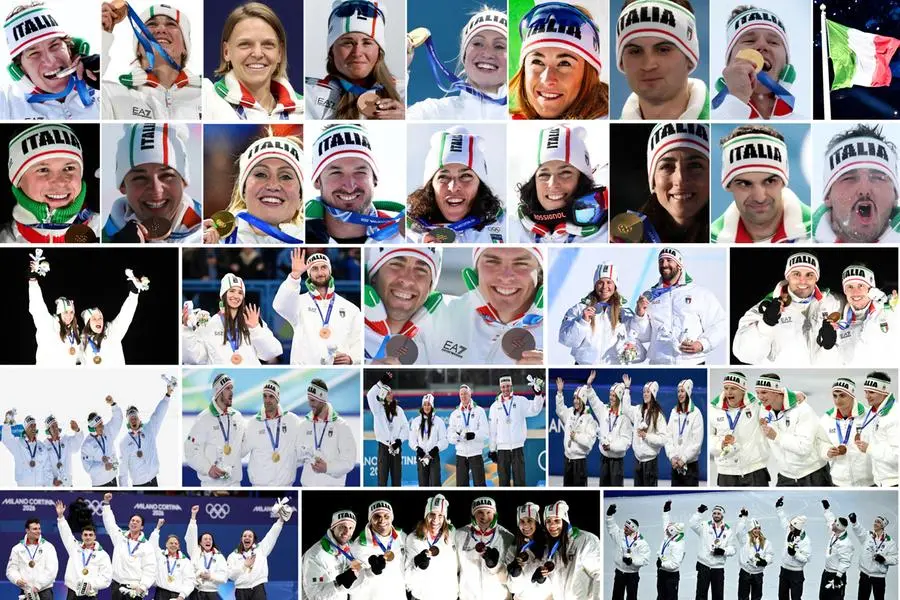
Achieved with a high number of gold, 10, never so many in a winter edition, with great female contribution, and high position in the medal table: in front only, in addition to the second American battleship, the Great North: Norway, where snow is at home, and Holland where ice is at home. THEThe Italian specificity is knowing how to win in 10 out of 11 sports, mostly niche ones in a sporting culture that in the rest of the four-year period sees nothing but football, and lately tennis, by popular acclaim and results.
It is versatility that distinguishes Italy from other countries at the top of the medal table, for example the Netherlands, whose medals, slightly more numerous than the Italian ones, all come from speed on ice, long track and short track.
Not an Italian miracle, explains Buonfiglio, but the outcome of teamwork which involved: «The presidents of the Italian Winter Sports Federation and the Italian Ice Sports Federation, the technical staff, the military sports groups, the CONI Olympic preparation centers and the Sports Medicine Institute».
«The medals arrived in that performance evaluation perimeter that the Olympic Preparation, with the General Secretary, had identified. The medal table represents a system capable of working together – added the President of CONI, Luciano Buonfiglio -. Doing it is not easy, it means listening to others, putting together the right elements, without becoming entrenched in the things we want to carry forward at all costs, but carrying them forward in the best, most effective and most efficient way. The affection that this Olympics has generated in Italians is what fills us most with pride is a feeling that remains inside. The result is extremely positive. Evidently the phrase ‘We are condemned to win’ is bearing fruit.”
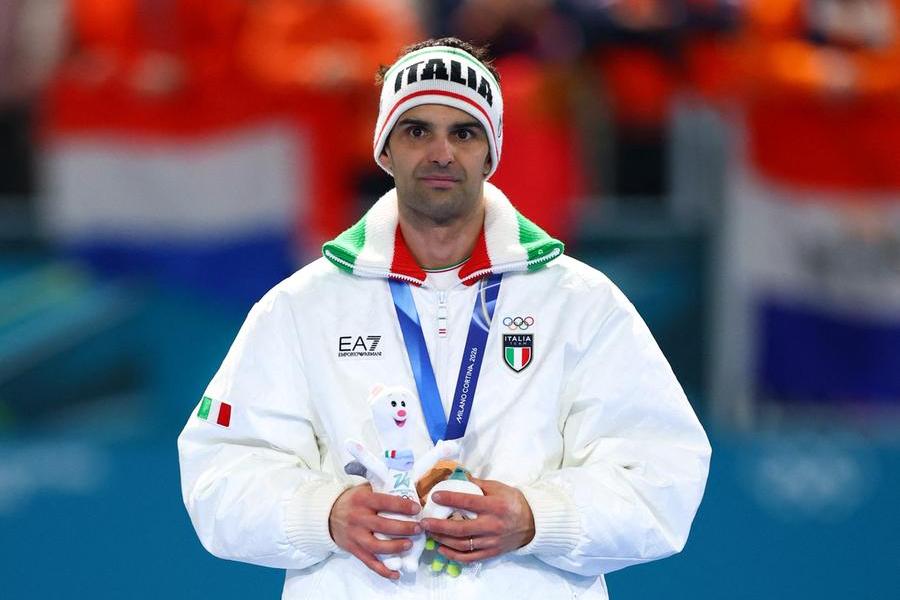
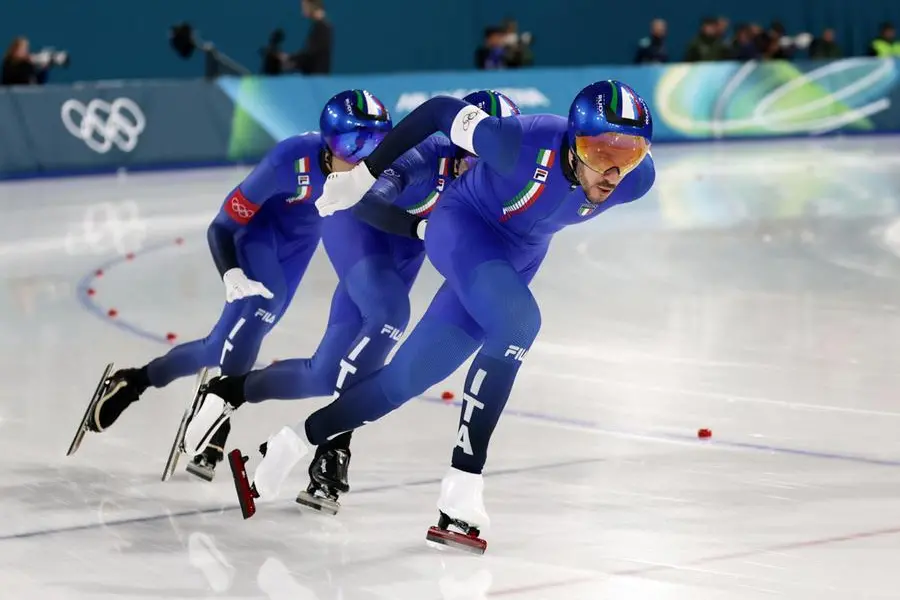
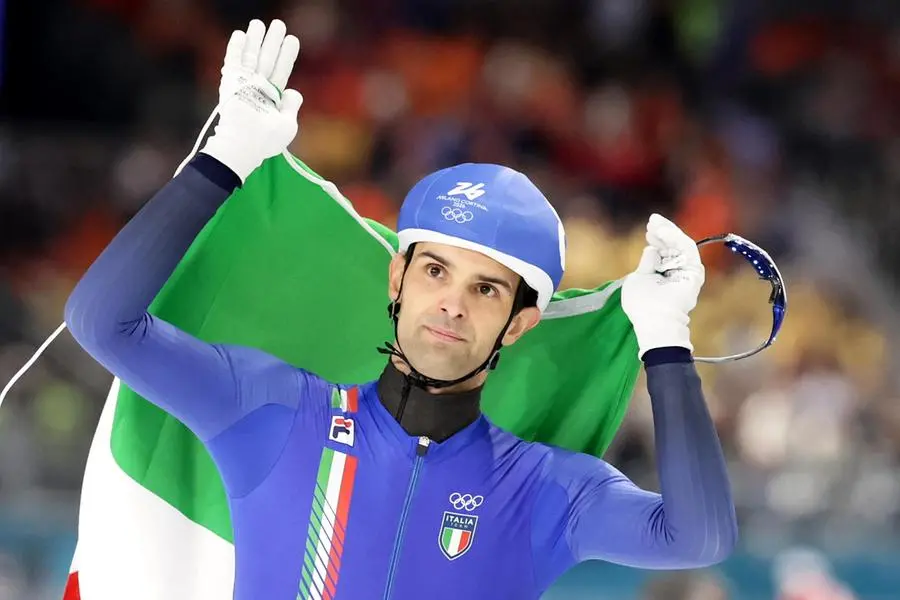
Many of whom arrived from the long ice speed track (3 gold and two bronze) for a small movement that does not have a long track on which to train in Italy. Own Andrea Giovannini, creator of the bronze in the mass-start, thirtieth medal of the Games, explained at the end of the last race that he was considering hanging up his skates: «I saw Celeste, my little girl, taking her first steps through WhatsApp: staying away 250 days a year to train means missing out on the growth of your children, of course if there was a facility in Italy I could consider the possibility of continuing.”
We made the appeal to the president of CONI: «The mayor of Milan Giuseppe Sala and the president of the Lombardy Region Fontana have committed to keeping the Rho Fiera rink open until the suitable place for an ice plant is found in Milan».
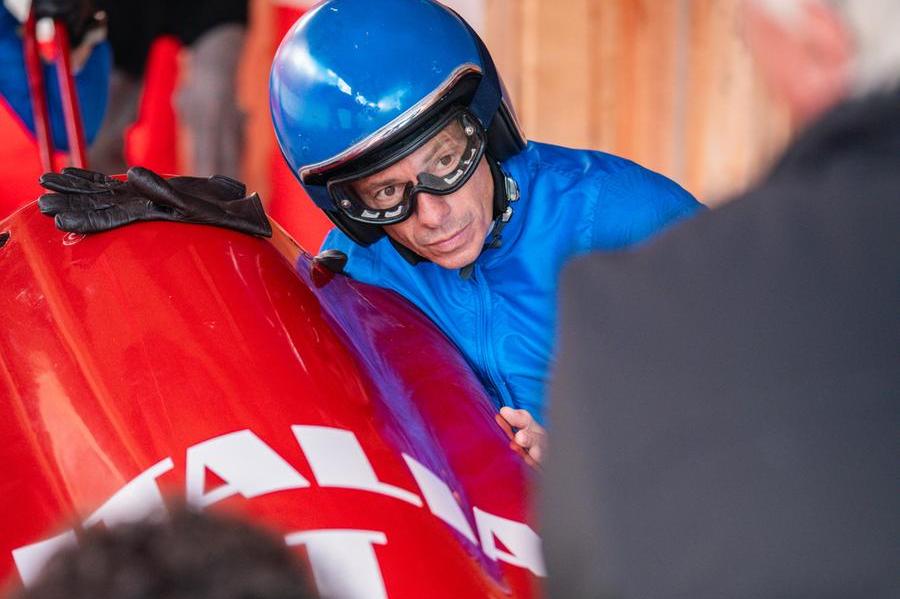
Simpler than bringing the Cortina bobsleigh track to life, which has given so much satisfaction in sledging. In this morning’s assessments at home in Italy there was talk of using it for Italian and foreign training and also for tourist experiences, one imagines taxibob type. And here only time will tell whether this is a possible hope or whether the game will not be worth the candle as it was for Cesana Pariol.
With bowls still in place, we will also come to terms with the outcome of the widespread Olympics, which at least at an organizational level during the Games seems to have worked: it will be a matter of understanding whether the advantages of the economy of scale or the disadvantages of the multiplication of sites will have had more weight in the long run. But it will not be the day of the closing of the Games, which are objectively beautiful on the field, “thirty and praise” says Buonfiglio, that will give the definitive answer which will instead require verification against the test of the future. Which could start immediately if the wave of enthusiasm really leads children to choose new sports known at Milano Cortina 2026.
Nobody here hides that that is the objective, together with the message of reliability that the Italian medal table could have given to the world. President Buonfiglio is sure that this is the real incentive.