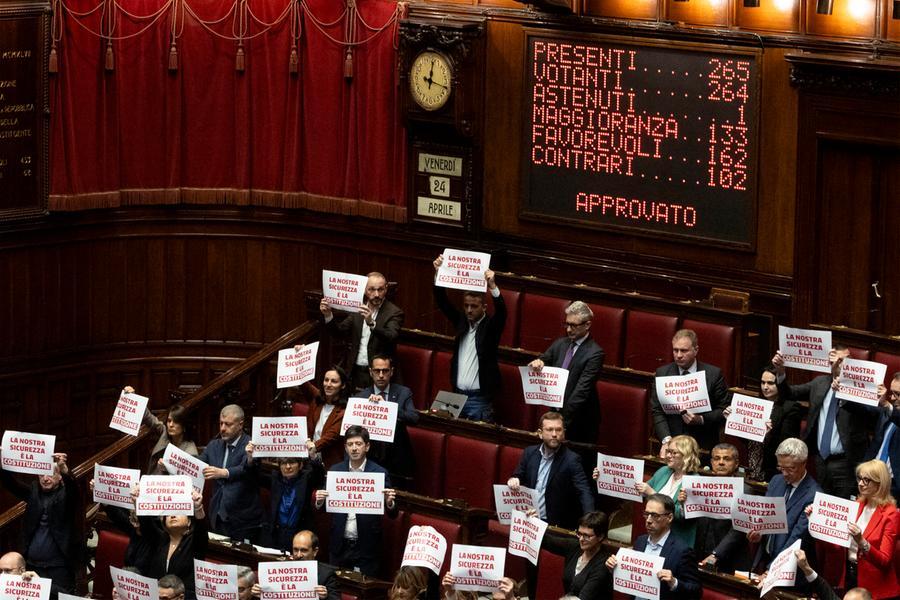






If a disaster like the one in Crans-Montana last January occurred in Italy, our National Health Service would most likely not ask for direct payment from the families of the injured. The topic became relevant after some families of Italians injured in the fire received invoices for emergency care from the Sion hospital (in the canton of Valais), with amounts ranging from 18 thousand to 73 thousand euros for short hospitalizations, sparking some indignation. The Swiss authorities then clarified that it was an administrative “error”, with the note that “the invoice will not have to be paid”.

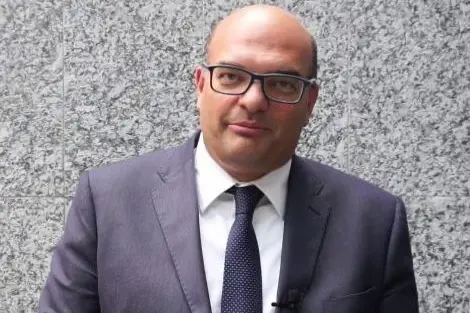
Adriano Leli, president of FARE (Federation of Regional Associations of Economers and Healthcare Providers) and general director of the OIRM-Sant’Anna hospital in Turin.
The roles are reversed, as he explained to Famiglia Cristiana Adriano Lelipresident of DO (Federation of Regional Associations of Economers and Healthcare Providers) and general director of the OIRM-Sant’Anna hospital in Turin, is different: first the reimbursement mechanisms between health systems or between insurance companies would be activated, and only secondly would a possible request to the citizen be assessed.
The case that emerged in recent days in Switzerland has reignited the debate on how the economic-administrative relationships between European and non-European healthcare systems really work. In Italy, Leli recalls, European Union citizens are covered by bilateral agreements and compensation mechanisms between states, while for non-EU citizens, such as the Swiss or Americans, an insurance system usually comes into play, with the SSN requesting reimbursement from the companies.
The rule for EU citizens
«There are bilateral agreements with all the states that belong to the European Union, so all citizens are covered by the free and universal health services of the individual states», explains Leli. «From an administrative point of view», he adds, «the game does not end with the individual patient: it is the national health services that compensate each other for the costs incurred.”
In other words, if a European citizen receives emergency care in Italy, the system is built to ensure that the bill is settled between institutions and not passed on to the person treated. It is a logic of administrative solidarity that also applies to urgent services, within the framework of European rules on healthcare mobility.

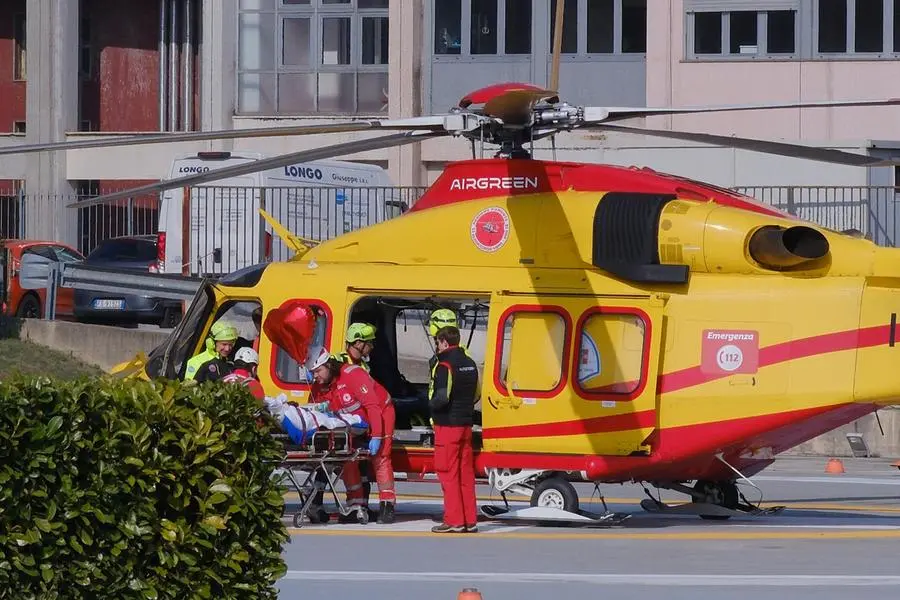
The case of non-EU citizens
The situation is different for those who do not belong to the European Union. «When it comes to a non-EU citizen, coverage often follows a different insurance mechanism, and therefore it is the commitment of the Italian National Health Service to request reimbursements from their insurance companies», observes Leli. This step is crucial because shifts the center of gravity from the patient to the covering system. In the presence of insurance, the economic relationship is managed between institutional or insurance entities; if, however, there is no coverage, direct recovery of costs can be achieved, but this is not the practice for European citizens assisted on the basis of community mechanisms.
With roles reversed?
When asked whether Italy could have behaved like the Swiss hospitals in the case of Crans-Montana, Leli is clear: «The Italian State would have asked for the costs firstly from any insurance companies, then secondly objectively from the citizens directly, but in this case all the Swiss citizens are covered by insurance and therefore the case of requesting these costs directly from the families I don’t think is realistic».
The point, therefore, is not only legal or administrative, but also political and cultural. In our system, insists the president of FARE, the free and universal nature of the National Health Service remains a constitutional pillar to be defended, precisely because the cost of care is already borne collectively.
How important is coverage
Leli also reminds us that the order of magnitude of the expenses depends on the complexity of the services, but underlines a basic principle: pFor citizens of the European Union the reimbursement takes place between States, not about families. For this reason, he states, the fact of belonging to the European Union also represents a concrete guarantee in terms of access to care and economic protection.