






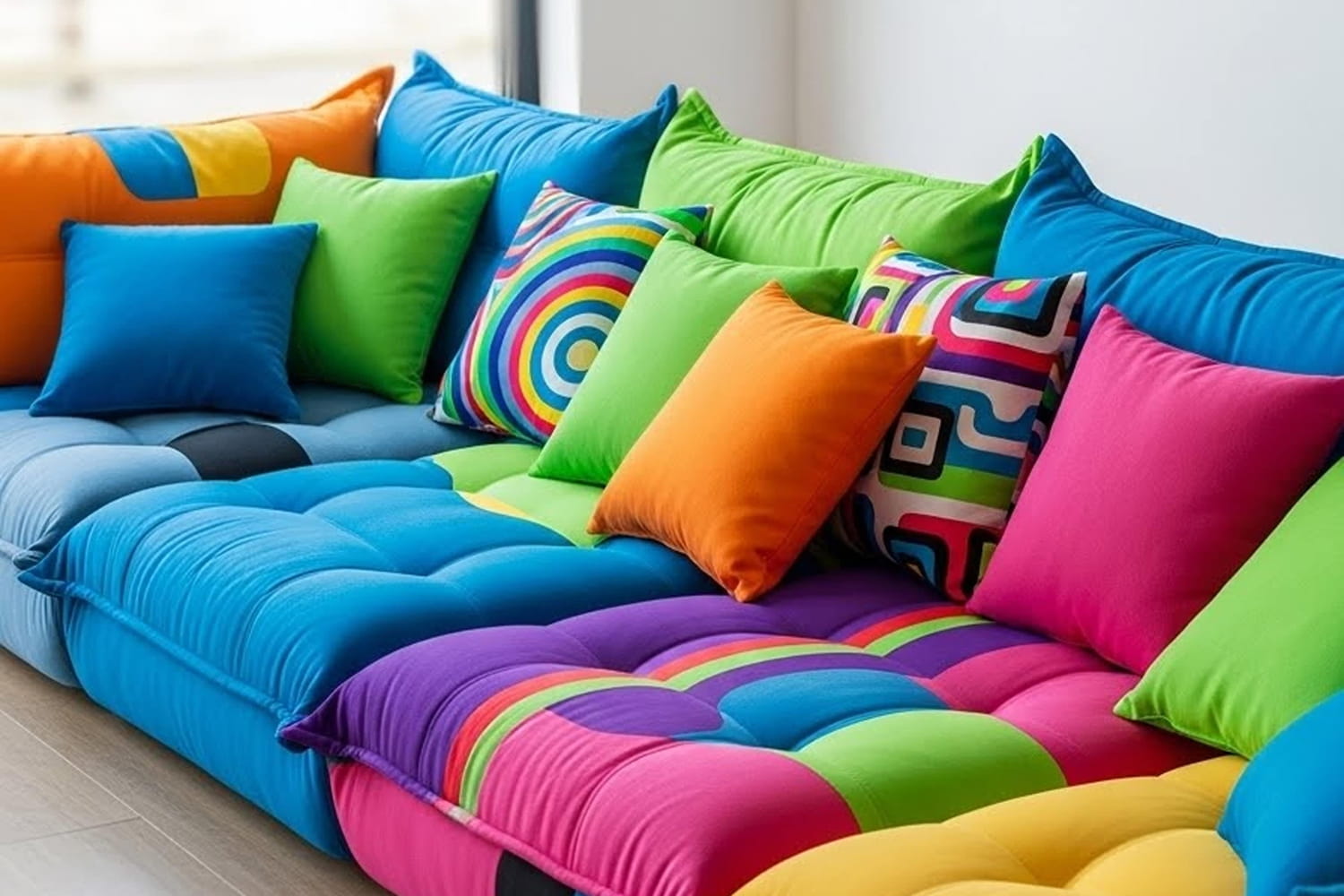
Choosing a sofa means signing for years. Interior designers see impulsive purchases and stubborn regrets come and go, and many of them point out the same color mistakes.
Buying a sofa is not only about style, but also about maintenance, the evolution of the interior, habits and sometimes the growing family. Because it is expensive, it is bulky and it is not replaced every two years, professionals advise thinking differently than based on a trend seen on Instagram or an attractive display in a showroom. A particular choice can become difficult to manage over the months.
A sofa occupies a large surface area in a living room, constantly attracts the eye and undergoes intensive use. Some shades easily mark stains, lint or animal hair, others go out of fashion quickly or become difficult to combine when you want to change a carpet, repaint a wall or renew the decor. Very trendy tones, especially those that explode on the networks during a season, often end up boring.
And if opinions differ on the precise colors to avoid, the idea remains the same: the more the shade is assertive or dictated by a fashion effect, the higher the risk of getting tired of it. Designer Susie Novak, for example, warns against certain colors that have been very popular in recent years. “Yellow and green are very difficult colors to use in decoration, so unless you have an excellent sense of color, I would advise you to avoid them”she emphasizes. Other professionals cite pink, red or orange, which can quickly visually saturate a living room.
On the other hand, black, often perceived as a safe and elegant choice, also poses very concrete concerns. Designer Ashleigh Clark explains: “Black sofas tend to show more lint, discoloration and wear to the material”. With animals at home, the situation becomes even more complicated. Jennifer McKissick, also a designer, points out that hairs are immediately visible on very dark surfaces.
Among these different shades, there is the color that many find chic at first and that designers see return again and again to the category of regrets. Indeed, with it the slightest crumb and the slightest stain are immediately noticed and maintenance quickly becomes a source of permanent stress. “This is especially true in homes with children, pets or frequent entertaining.”warns Ashleigh Clark. We are obviously talking about white.
Conversely, designers agree more easily on what works over time. Dark but nuanced fabrics, muted and natural colors or warm neutrals allow you to absorb everyday life without transforming every trace into domestic drama. Deep blues, olive greens, clay tones and even warm browns last better through the years and adapt to changes in decoration.