





A constant state of noise defines the modern executive landscape. There’s the endless ping of notifications, back-to-back meetings that probably could have been emails, and that heavy, invisible weight of decision fatigue. For many high achievers, the traditional beach holiday just doesn’t provide the necessary reset anymore. Lying on a lounge chair often leaves too much room for the mind to wander back to the office or the latest quarterly projections.
And that is exactly the point. Sometimes, “doing nothing” is the hardest work of all.
This is why a growing number of leaders are looking towards the edges of the map. Expedition cruises have emerged as the preferred choice for those seeking a profound sense of clarity and a different kind of rest that actually sticks. Honestly, it’s about finding a place where the Wi-Fi can’t reach you, even if you wanted it to.
The Shift from Relaxation to Realignment
Rest for a leader is rarely about doing nothing. It’s usually about doing something that demands a different kind of presence. Expedition cruising offers an immersion into environments that are completely indifferent to corporate deadlines or stock market fluctuations. When you embark on a cruise to Longyearbyen, the world as you know it begins to fade into the background. In the vast, untouched Arctic, you are forced to focus on the present moment, whether it’s the stunning sight of glaciers calving or the quiet companionship of your fellow travelers. The experience strips away distractions, allowing you to reconnect with yourself and rediscover a sense of purpose that can often be lost in the daily grind.
But why does that matter? It matters because it moves the focus from the micro-management of daily tasks to a much broader view of existence and purpose.
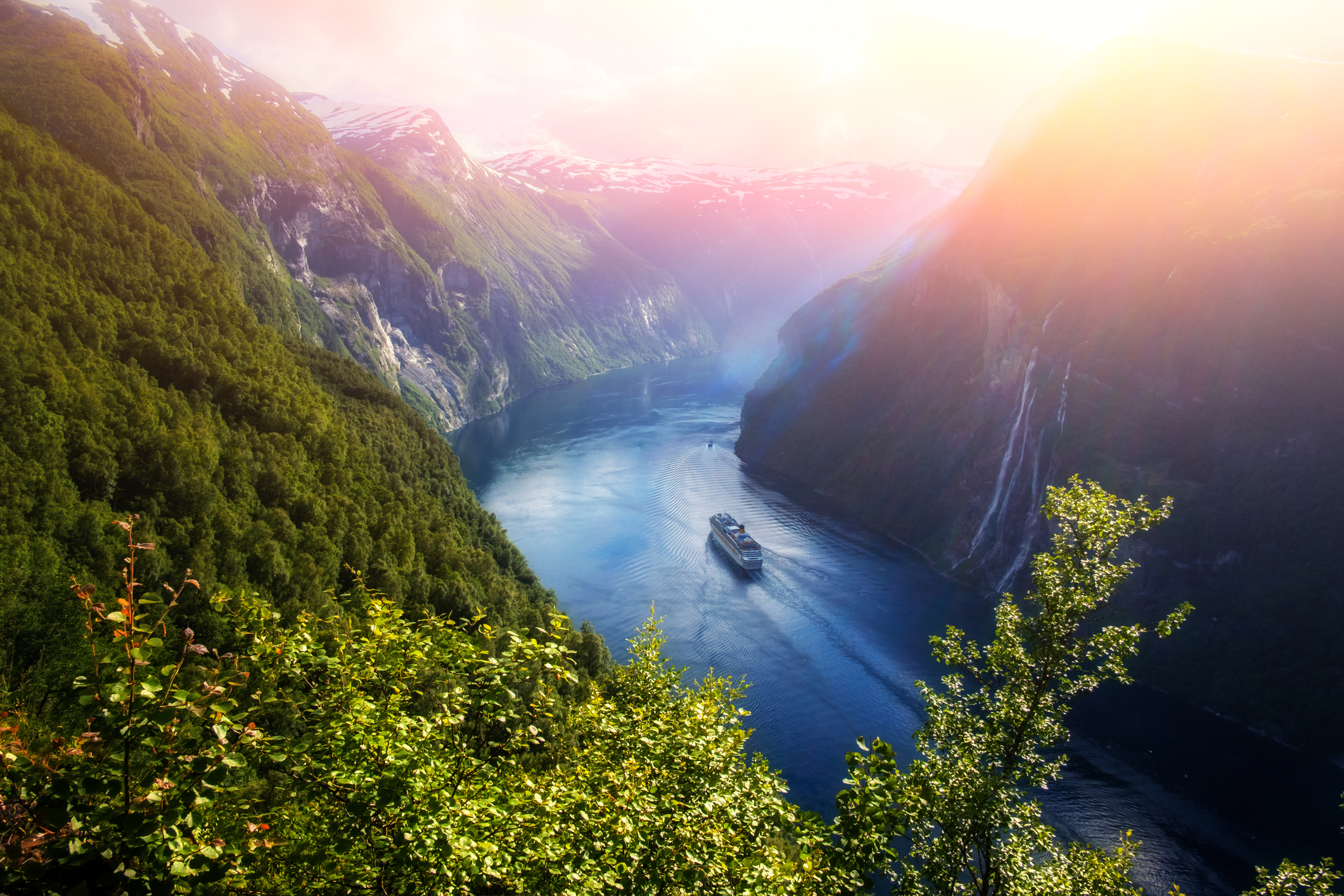
The environment on an expedition vessel is carefully curated for quiet contemplation. Unlike those massive commercial liners, these smaller ships focus on the destination rather than the onboard spectacle. You won’t find crowded casinos or loud, neon theater shows here. Instead, there are library corners filled with maps, panoramic windows that frame the shifting ice, and the steady, grounding rhythm of the sea. It’s a setting that encourages the brain to move out of a state of high stress and into a more creative, relaxed mode.
But have you ever noticed how the best ideas come when you aren’t looking for them?
Why Silence is the New Luxury
In a world where everyone is reachable at all hours, true silence has become the rarest commodity. On an expedition, the silence isn’t just the absence of noise; it’s a presence in itself. It’s the sound of a breeze hitting a glacier or the distant splash of a paddle in cold water. You know, that kind of quiet that almost rings in your ears. Leaders find that this level of quietude allows for a type of thinking that is just impossible in the city.
When you’re disconnected from the grid, the internal dialogue starts to change. You stop thinking about the next fire you have to put out and start thinking about the long-term vision. This isn’t just a break from work. It’s a reorganization of the soul, maybe. It’s about clearing out the mental clutter so there’s actually room for new, big ideas to take root. So, what happens when the noise finally stops?
Nature as a Catalyst for Real Strategy
Inspiration often arrives when the mind is at play or in a state of genuine awe. The raw, unfiltered beauty of the polar regions or the remote islands of the South Pacific provides a sensory reset that a boardroom never could. Leaders often find that their most significant breakthroughs happen while they’re watching a glacier calve or observing a pod of whales from a zodiac.
These moments matter. They stick to your ribs.
Scientific studies suggest that experiencing “awe” actually expands a person’s perception of time. For a CEO who feels they’re constantly running out of hours in the day, this feeling of temporal abundance is the ultimate luxury. It allows for deep, slow thinking. Without the distraction of reliable Wi-Fi or urgent pings, the brain begins to connect dots that were previously obscured by the fog of a busy schedule. It’s about finding the signal in all that noise.
The Community of Like-Minded Explorers
Another reason these journeys appeal to leadership is the caliber of the community on board. Expedition cruises tend to attract people who are naturally curious, adventurous, and intellectually engaged. The dinner conversations are rarely about industry gossip or small talk. Instead, guests discuss history, glaciology, and the future of the planet. It’s a different kind of networking that feels much more human.
This environment fosters a unique kind of connection. It’s organic and built on shared experiences rather than transactional goals. Being in a remote part of the world creates a bond between travelers because they’re all witnessing something rare and fleeting together. But could these shared moments be the key to better leadership? I think so. This sense of shared discovery can lead to lasting friendships and fresh perspectives on how to lead with more empathy and a better global awareness.
Physicality and the Mental Reset
There’s a physical element to expedition cruising that really resonates with the driven individual. Getting into a Zodiac boat in choppy waters or hiking across the frozen tundra requires a level of commitment that is deeply invigorating. It’s a reminder of one’s own capability and resilience outside of a digital context. For a leader who spends most of her time in climate-controlled offices, the bite of the polar wind is a welcome jolt to the system.
This physical engagement acts as a bridge to mental rejuvenation. When the body is active in a brand new environment, the mind cannot easily dwell on the stressors of the past quarter. The focus is entirely on the next step, the next sight, and the immediate surroundings.
This presence is the essence of true rest.
Finding Inspiration in the Extremes
The most remote places on Earth often hold the most clarity. There is something about the strength of the Arctic or the isolation of the Amazon that forces a person to simplify. Complexity is a hallmark of leadership, but the ability to simplify is what actually drives success. By observing how nature manages its own complex systems, leaders can bring back lessons on efficiency, balance, and endurance.
It isn’t just about the scenery. It’s about the stories of exploration that haunt these places. Hearing about the grit of early explorers provides a powerful backdrop for modern challenges. It puts things into perspective. If they could survive the elements with so little, surely a market shift or a difficult merger is manageable. Does seeing the extreme change how you view the mundane?
Coming Back Changed
The goal of any expedition is to return with more than just a folder of photographs. Leaders choose these paths because they want to return with a renewed sense of mission. The stillness found at the ends of the earth has a way of staying with a person long after they’ve returned to the city streets.
By stepping away from the grid and into the wild, leaders give themselves permission to be students again. They listen to expert naturalists, they observe delicate ecosystems, and they remember why they started their professional journeys in the first place. Inspiration isn’t something that can be forced, but it can certainly be invited.
In the quiet corners of the world, that invitation is always open.