




Psychopractitioner Aurélie Delmas explains to us how this disorder impacts our mental health and what it reveals about our character.
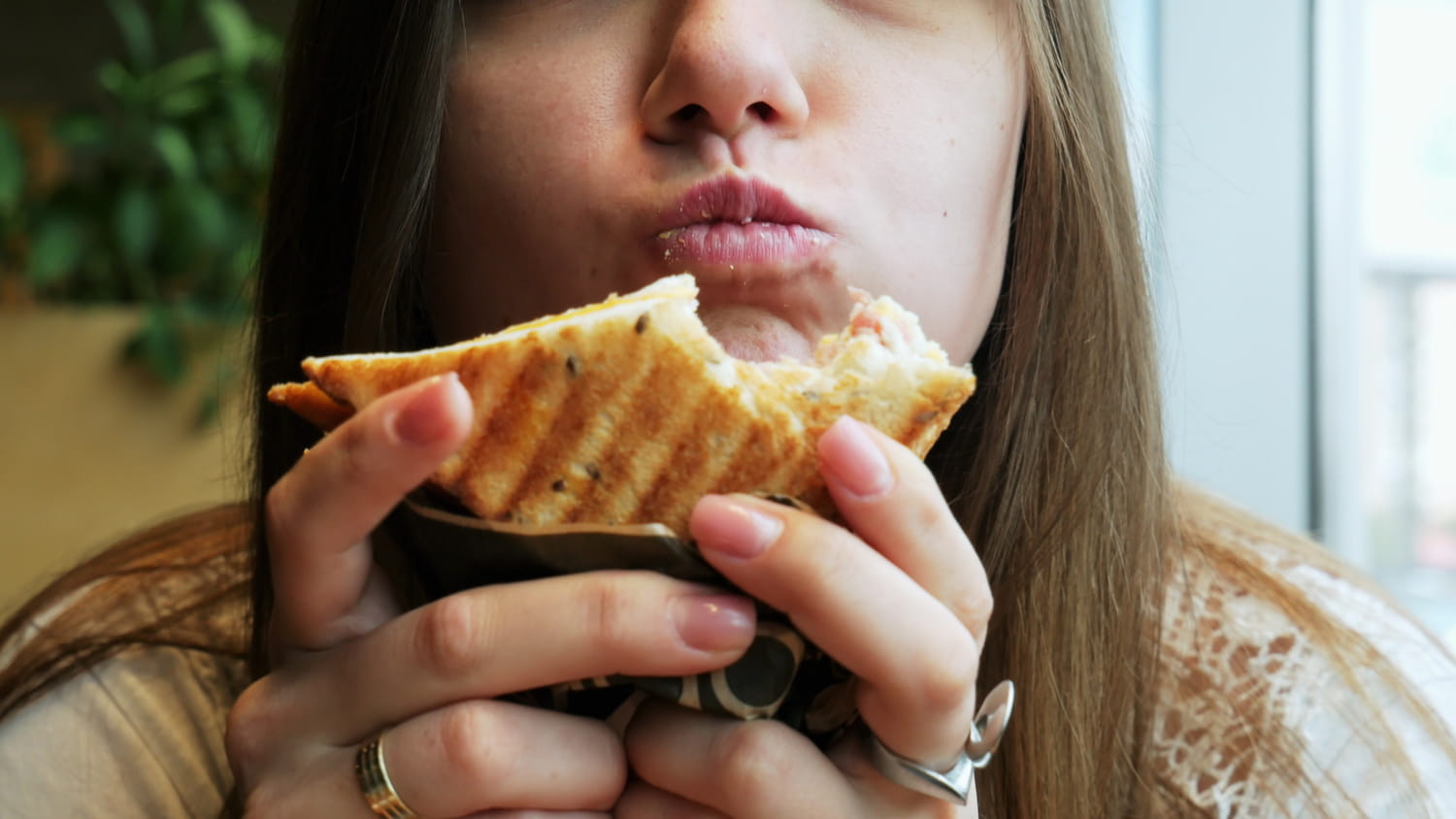
Sounds of chewing, breathing or swallowing… For some, these everyday noises are not simple annoyances, but a psychological ordeal. Far from being a lack of tolerance, this visceral rejection hides a deeper mechanism. “It is a psycho-corporeal disorder which causes an automatic reaction of the nervous system to certain sounds”explains Aurélie Delmas, psychopractitioner. This dysfunction, which affects 15% of the population to varying degrees, can cause real psychological suffering, marked by a feeling of isolation, shame and, sometimes, a slide towards depressive states.
This phenomenon has a name: misophonia or literally “hatred of sound”. For those affected, the brain does not treat these noises as nuisances, but as an imminent attack. In the psyche, this is an alarm signal: “Trigger sounds cause hyperactivation of the insular cortex, key brain areas in managing threat and emotion,” argues the expert. The nervous system goes into alert state, causing emotional and physical responses. The consequences are immediate for the individual: anger, hatred, racing heart, mental fog…
Misophonia: an echo of our emotional history?
If the studies still lack perspective, we can identify a fertile ground for the installation of misophonia. Its occurrence is more frequently linked to a traumatic past, an anxious environment. Most often, the disorder arises during adolescence, within the family. This area is also found among profiles suffering from hypersensitivity, anxiety or ADHD. These people have in common a higher than average sensitivity, often both emotional and sensory. They feel everything more strongly. Emotions, tensions in relationships, noises, gestures, atmospheres. Their nervous system reacts more intensely to external stimulation, including sounds that others no longer even hear. This is unique to the personality of misophones.
The term “misophonia” only appeared in 2002 thanks to the research of the Jastreboff scientist couple. Before that, “there was total scientific wandering”reminds us the expert. Beyond mouth noises, other so-called “mechanical” sounds can cause these seizures. This is the case of clicking a pen, tapping a keyboard or even rubbing clothing against the skin. The nervous system perceives these noises as an attack and triggers an immediate protective response. “A misophone who hears someone sniffing will have an instant reaction, while for another, it’s just unpleasant. That’s the whole nuance”illustrates Aurélie Delmas. In everyday life, triggering sounds can be present everywhere: in transport, in open spaces or at school.
The journey of misophone is complex. Misophonia is not officially classified as a disorder in its own right in medical systems (e.g. DSM-5), which can complicate diagnosis. Additionally, there is no “official specialist” in misophonia. On the other hand, several professionals can help: psychologist, psychotherapist, psychiatrist, neuropsychologist or even ENT doctor. “We live better with misophonia by working on the regulation of our nervous system”says Aurélie Delmas. In sessions, she suggests learning to regulate your body using tools from CTCE, emotional regulation and EMDR. “The first step is to bring security to a nervous system stuck in “danger” mode.” As the expert concludes: “Misophone disorder is a bit like a volcano: when it’s activated all the time, it erupts. The goal is to keep it dormant.”