






A recent study suggests an unexpected link between a very healthy diet and certain cancers. These surprising results raise questions…
Adopting a diet rich in plant products is today one of the pillars of public health recommendations. It is associated with a reduced risk of many chronic diseases, including certain cancers. However, a study presented recently at the American Association for Cancer Research congress shakes up these certainties.
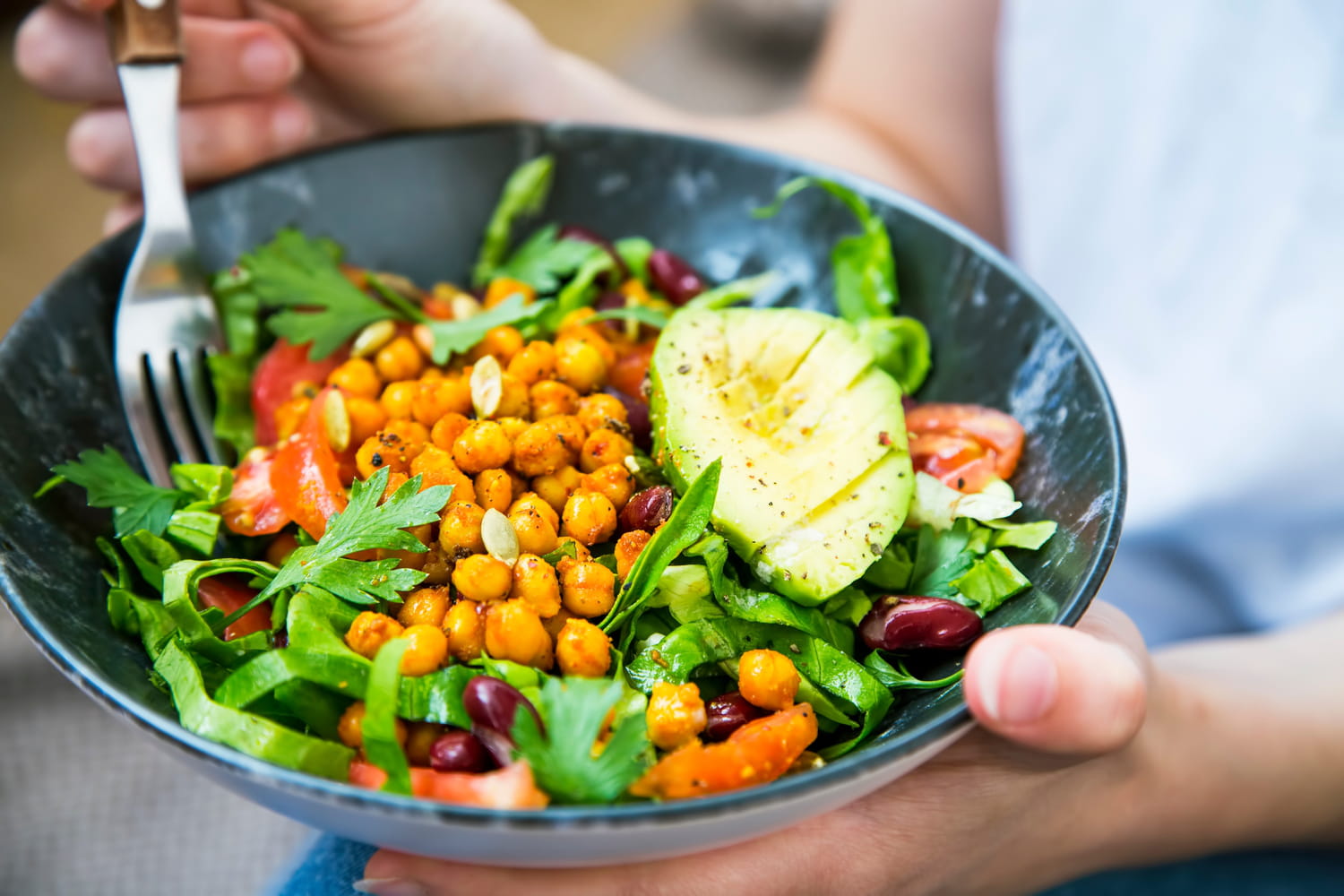
Researchers were interested in a growing phenomenon: the increase in lung cancer among young, non-smoking people, particularly among women. By analyzing data from 187 patients under the age of 50, they observed an unexpected commonality: these people had, on average, a diet considered healthier than the general population. Their nutritional score, based on a food quality index, was higher, with greater consumption of fruits, vegetables and whole grains. Which raises a question: could these foods, in certain cases, be associated with an increased risk?
In their results published on ScienceDaily, the researchers put forward a hypothesis: that of environmental exposure, in particular to pesticides. Fruits and vegetables from conventional agriculture may contain residues of these substances, potentially inhaled or ingested. However, some studies have already shown that people occupationally exposed to pesticides have a higher risk of lung cancer. However, these results must be interpreted with great caution. Firstly because it is an observational study: it highlights an association, but does not make it possible to establish a cause and effect link. Second, because the researchers did not directly measure the actual exposure to pesticides among the participants. They relied on global estimates, which limits the scope of the conclusions.
Another important element: the sample studied remains small and very specific. The forms of lung cancer observed in these young patients are also biologically different from those linked to tobacco. It is therefore difficult to generalize these results to the entire population.
Finally, these data go against a solid scientific consensus. Numerous studies have shown that a diet rich in fruits and vegetables is associated with a reduced risk of several cancers and better overall health. This work nevertheless opens an interesting avenue: that of the impact of environmental factors, which are still poorly understood, on health. Researchers are now planning to directly measure the presence of pesticides in patients’ bodies, in order to better understand their possible role.
In the meantime, specialists are unanimous: there is no reason to reduce your consumption of fruits and vegetables. The issue rather lies with the quality of products and overall exposure to chemical substances. In other words, it is not the food itself that poses a problem, but the conditions in which it is produced. A point that deserves to be explored, without calling into question current nutritional recommendations.