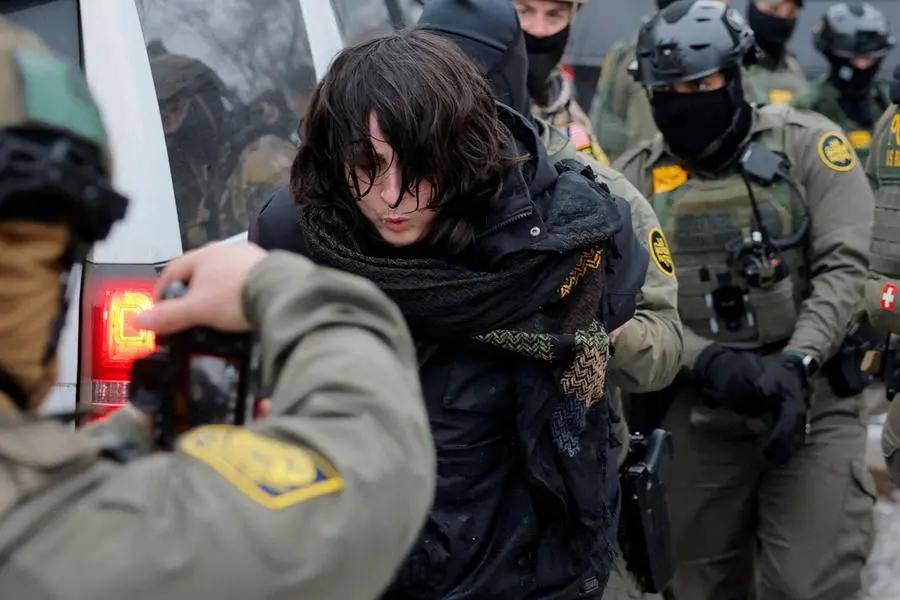




After weeks of tension and after two people were killed in the street, on February 4 Tom Homan, Donald Trump’s envoy to Minneapolis (defined by the US media as “the border czar”), announced the immediate withdrawal of 700 federal immigration agents from the city. Meanwhile, Donald Trump says in an interview that “a softer approach” could be used in immigration control operations. But the wounds of what happened in recent weeks in the Minneapolis metropolitan area remain and weigh on the hearts of the Minnesota athletes who arrived in Italy to participate in the Milan-Cortina Winter Olympics.
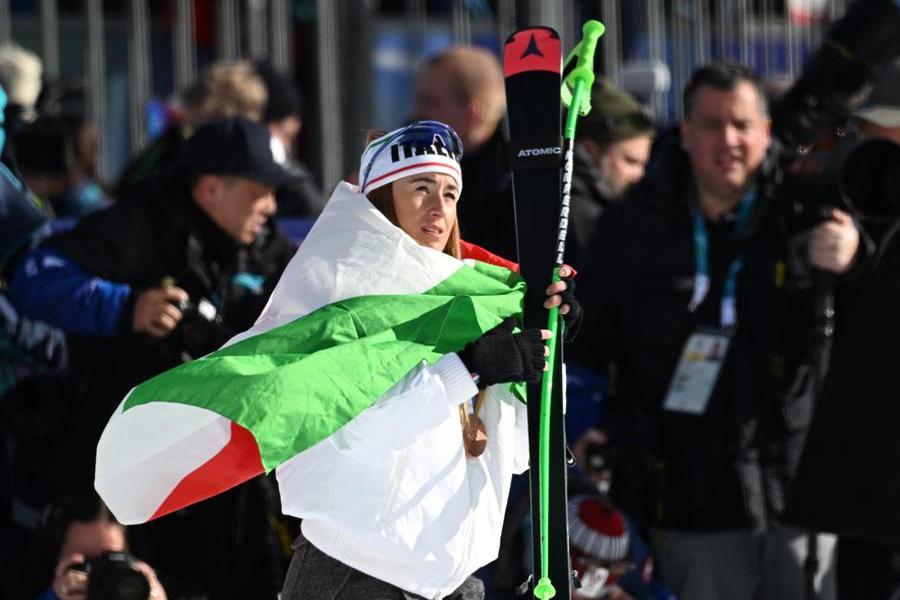
Among the 232 athletes in the United States delegation (the largest in the history of the Winter Olympic Games), 29 are originally from Minnesota. After Colorado (which sends 32 athletes to the Games) it is the most represented American state. However, as the ABC television network pointed out, “Minnesota’s ties to the Olympics go beyond the U.S. team. Overall, more than 70 competitors at the Winter Games have some connection to the Land of 10,000 Lakes.”
Athletes may not make political statements during competitions or official events, such as award ceremonies or opening and closing ceremonies. They are not even allowed to express themselves inside the Olympic village. But the brutal killing of Renee Gooda 37-year-old mother of a family killed by an ICE agent on January 7, and that of Alex Prettiof the same age, killed on January 24 by a Border Patrol agent, during peaceful demonstrations against anti-immigration operations in Minneapolis, caused a shock wave in the United States, which found an echo among Team USA athletes.
Alpine skiing star Lindsey Vonn is originally from St. Paul, Minneapolis’ sister city, and was seriously injured after a bad fall 13 seconds into the downhill race in Cortina d’Ampezzo. “I have family and friends in Minnesota, where I grew up. My heart is incredibly heavy for everyone who stayed home,” the champion said on the eve of the Games. Then he added: “I think the best thing I can do is stand tall and have hope and show the world what America is, who we are as human beings, because we are so much more than what’s happening right now.”
The cross-country skier Jessie DiggingsOlympic champion in the team sprint at Pyeongchang 2018, after the killing of Alex Pretti wrote on Instagram: “I want to make sure you know who I’m competing for when I’m at the starting line of the Olympics. I run for an American people who fight for love, acceptance, compassion, honesty and respect towards others. I don’t stand with hatred, violence and discrimination.”
Among the most combative are the girls of the national ice hockey team who wear the jersey of the Minnesota Frost team.
Kelly Pannek30 years old, gold in 2018, silver in 2022, 4-time world champion, said: “It’s obviously very heavy. I think people have often asked us what it means to represent our state and our country. I think what I’m most proud of is representing the thousands, tens of thousands of people who show up on the coldest days of the year to fight for what they believe in.” Even his partner Taylor Heise in recent days he expressed his support for Minnesota residents who are “standing up for what is right in the midst of the senseless and just plain horrible things that are happening.”
But criticism against the government also came from other Team USA athletes. Like Hunter Hess, 27 years old, originally from Oregon, competing in freestyle. “There’s a lot going on that I don’t like,” Hess said, adding, “just because I wear the flag doesn’t mean I represent everything that’s happening in the United States.” On his social network Truth, President Trump defined Hess as “a real loser”, concluding that it would be “very difficult to root for such a person”.