




The Gaza Strip is currently experiencing one of its most dramatic phases since the start of the war in 2023, not only due to the continuing violence, but due to a new front opened against the international humanitarian system. The Israeli government has imposed rules requiring all non-governmental organizations to provide sensitive data about their staff and operational governance in order to continue operating. THEand NGOs that refused, including Doctors Without Borders, were informed that they must cease their activities in the Occupied Palestinian Territories by March 1, 2026.
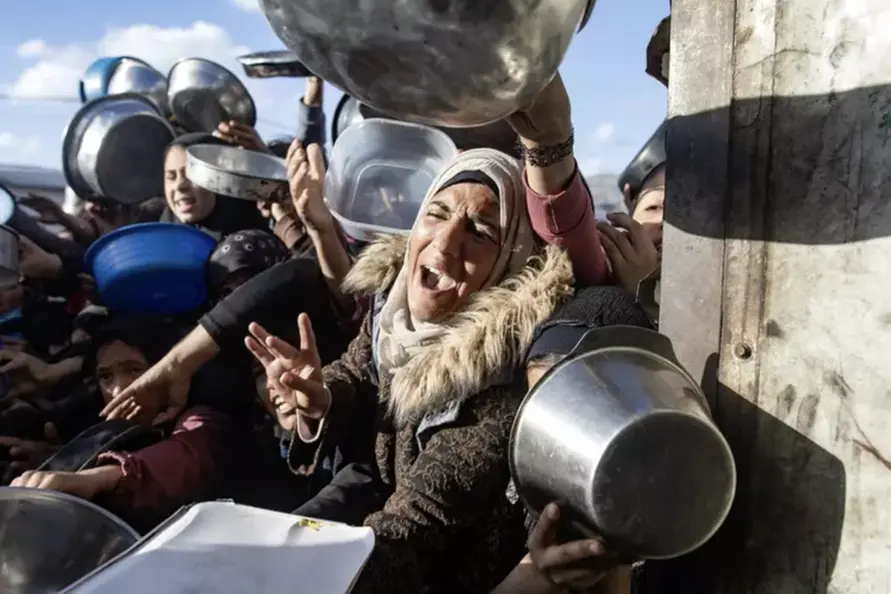
For the realities that over the years have represented a lifeline for millions of civilians, this decision is not a bureaucratic matter: it is about dismantling essential pieces of health, food and psychological support for an exhausted and isolated population. Gaza is largely dependent on these organizations, so much so that their exit could amount to a further collapse of the relief system.
A war that devastates even those who care
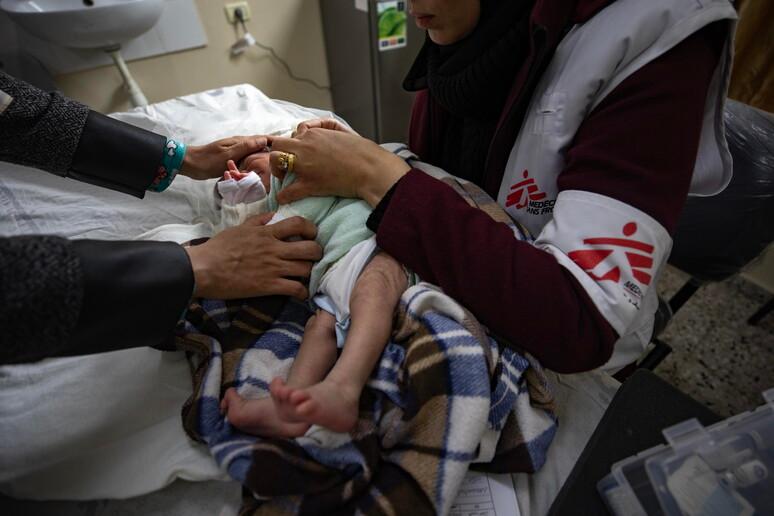
According to Doctors Without Borders, the current situation is catastrophic: hundreds of thousands of people need immediate medical care and psychological assistance, while tens of thousands require ongoing treatment for trauma, chronic diseases and long-term conditions. The restrictions imposed by the Israeli government, which requires 37 NGOs to leave the Occupied Palestinian Territories by March 1st, risk leading to a lack of care that was already insufficient before.
MSF reiterates its commitment to remain in the territory for as long as possible, although the ability to enter with new international staff and medical supplies has already been limited by the Israeli authorities. Without a regular influx of material, relief efforts are severely compromised and the risk that services such as emergency departments, post-trauma rehabilitation and pediatric care may fail becomes real.
The rules that push NGOs away
New Israeli rules require organizations to provide complete lists of Palestinian and international staff; detail financing and operational activities; be registered according to standards defined by Tel Aviv.
NGOs reject these requests because they would expose their local collaborators to potential security risks, and because they would violate the principle of humanitarian neutrality.
The The Israeli government instead claims that these requirements are necessary to guarantee transparency and securityimplying that some organizations did not fully meet the required criteria. However, this position has been condemned by international human rights groups as an attempt to artificially narrow the space for humanitarian relief.
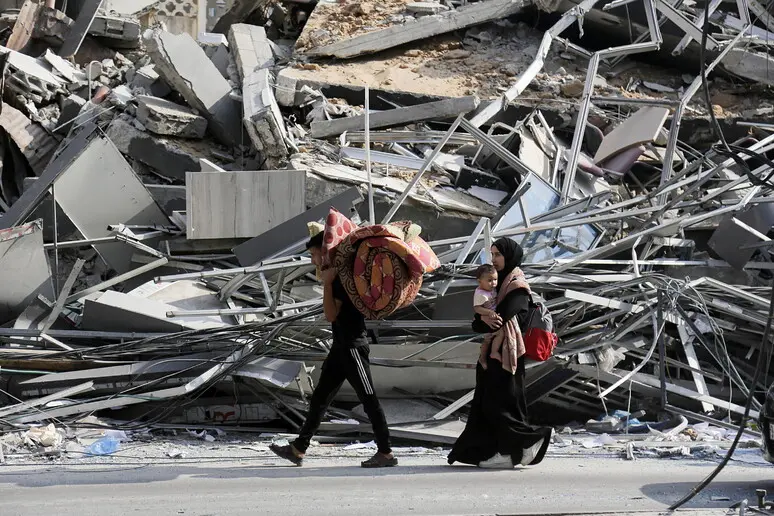
Testimony from the front: Gaza beyond the number of deaths
The direct testimony of the MSF doctor Roberto Scainiresponsible for activities in Gaza City and in the north of the Strip, tells the reality on the line of fire: hospitals are reduced to tents, and people arrive daily with amputated limbs, burns and complex traumas. War, Scaini observes, manifests itself not only in immediate deaths, but in chronic wounds that no health system can manage without external help.
«Being present in Gaza» says Scaini «means dealing every day with physical and psychological wounds that do not heal, with needs that grow faster than the ability to respond.” In a context where there is a lack of medicines, drinking water and functioning health infrastructures, the presence of NGOs is not a luxury, but the last barrier between life and death for thousands of civilians.
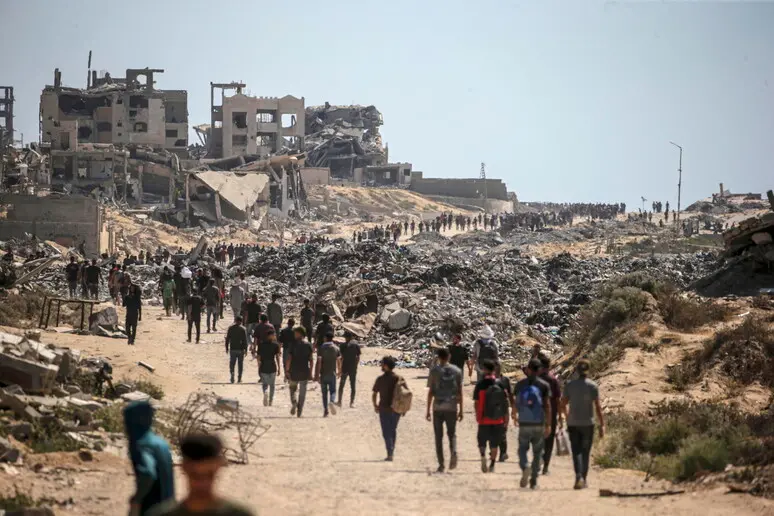
What future for Gaza without rescuers?
With the forced exit of some humanitarian organizations, Gaza risks an even deeper spiral of suffering. The population, already victims of continuous bombings, interruptions in access to water and food shortages, may find themselves without any primary support network. According to the appeals launched by the NGOs themselves, the international community must urgently intervene to guarantee unhindered humanitarian access and a massive influx of life-saving aid.
The Israeli decision, with all its political, legal and humanitarian implications, is destined to be judged not only in the courts, but in the daily lives of hundreds of thousands of innocent people who now more than ever depend on those who bring food, medicine and assistance.