




It’s a small revolution for the millions of people whose nights are disrupted by respiratory arrests. A major clinical study has just demonstrated the effectiveness of a drug capable of halving the severity of sleep apnea. Enough to offer a serious alternative to the bulky night mask.
Nearly 4 million French people suffer from Obstructive Sleep Apnea. Long perceived as the disease of the sedentary retiree, this disorder also affects more and more young adults (30-45 years old). The cause: the increase in excess weight, but also inactivity and chronic stress which degrade the tone of respiratory tissues. Women are also increasingly prone to it, with prevalence jumping after menopause due to hormonal changes.
So far, the solution remains the continuous positive airway pressure device: a mask connected to a machine that blows air to keep the airways open. If the device is effective, it is often considered cumbersome and annoying, between the noise, the discomfort of the straps and the feeling of being “plugged in” every night. Result: nearly a third of patients end up abandoning treatment, exposing themselves to serious risks of cardiovascular disease and chronic fatigue.
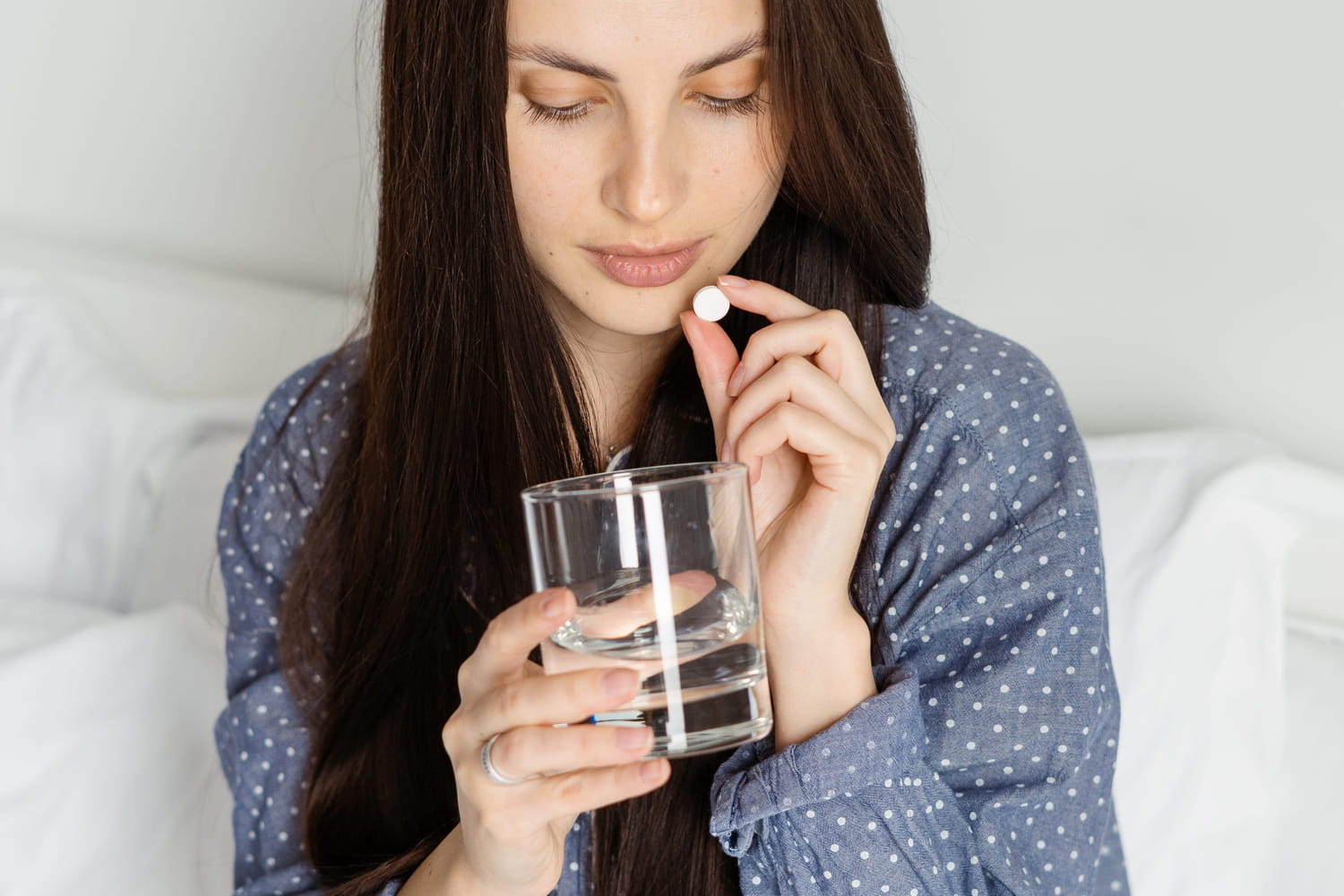
Faced with this observation, researchers from the American biopharmaceutical company Apnimed have developed AD109, a pill combining two molecules: aroxybutynin (an anticholinergic) and atomoxetine (used for hyperactivity disorders). Its mode of action is simple but ingenious: instead of forcing the passage of air with a machine, the drug targets the nervous system to stimulate the throat muscles during sleep. By keeping these muscles toned, we prevent the collapse of the airways which causes apnea. The results of the phase 3 clinical trial, published in the prestigious journal The Lancetare impressive: among the patients tested, the number of respiratory interruptions was reduced on average by 47%. For many participants, apnea went from a “severe” stage to a “moderate” or even “mild” stage.
As for its availability on the market, the timetable is accelerating. In the United States, a marketing authorization request was filed with the FDA (Food and Drug Administration) in early 2026. For France and Europe, you will have to be a little more patient. After the American green light, the European Medicines Agency (EMA) will have to carry out its own review. If effectiveness is confirmed, we can hope for commercialization at the end of 2026 or during 2027.
Despite the enthusiasm of doctors who speak of a “real turning point” in the treatment of sleep apnea, this pill is not yet the universal solution: a reduction of 47% is a victory, but for the most extreme cases of apnea (those who have more than 60 breathing pauses per hour), the pill alone may not be enough to completely eliminate the health risk. Also, like any medication, AD109 can cause side effects, including dry mouth or difficulty urinating in some patients. Finally, the study shows that certain patient profiles respond better than others to chemical treatment. The mask will therefore remain, for the moment, essential for some of the patients.