
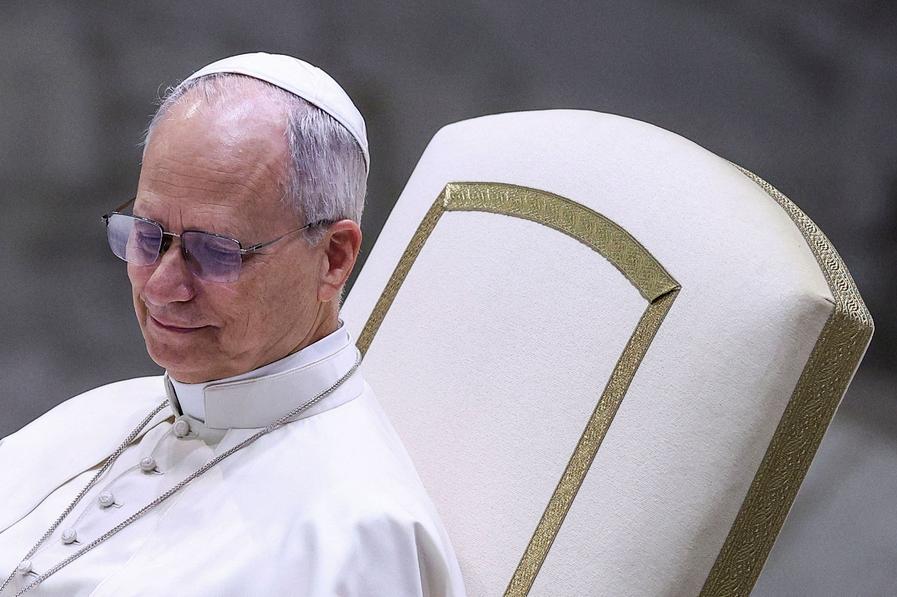




“Unfortunately today we cannot ignore wars, which involve civil structures, including hospitals, and constitute the most absurd attack that the hand of man himself directs against life and public health.”
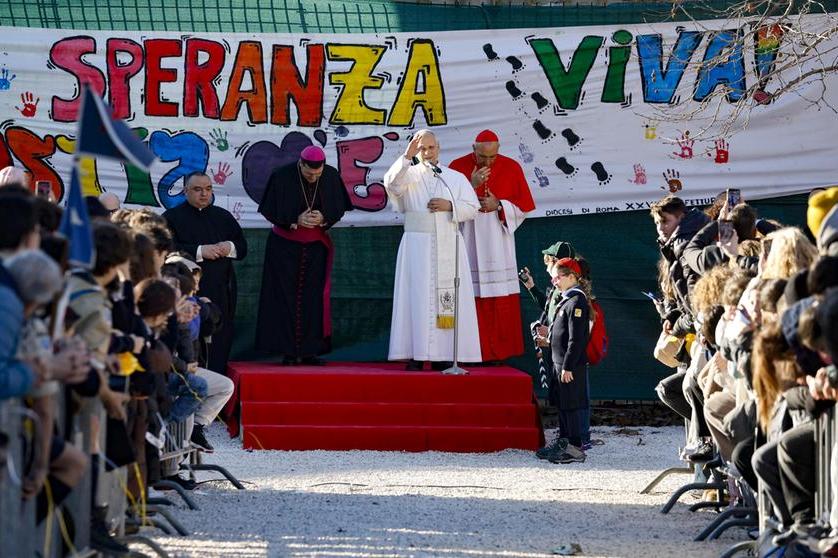
Those are very harsh words spoken on Monday morning by Pope Leo XIV receiving in audience the participants in the Plenary of the Pontifical Academy for Life, gathered on the theme “Healthcare for All: Sustainability and Equity”. A complaint that sounds like a moral indictment in a time in which armed conflicts also affect places of treatment without distinction. The Pontiff spoke of “enormous economic, technological and organizational resources” used for the production of weapons and war devices, while millions of people around the world do not have access to basic healthcare services. A paradox that generates “enormous inequalities” in a “world torn by conflicts”, with direct consequences on life expectancy.
«Not all lives are the same»
The Pope unmasked what he defines as an evident contradiction: “It is often stated that life and health are equally fundamental values for everyone, but this statement is hypocritical if at the same time we are disinterested in the structural causes and operational choices that determine inequalities.” In fact, he observed, “not all lives are equally respected” and health “is not protected or promoted for everyone in the same way”. Recalling the teaching of Pope Francis on health as a “universal right”, Leo
Health beyond profit
Interdependence, explained the Pontiff, requires a dialogue between politics, ethics, science and civil society, and calls into question choices that concern family, work and the environment: «We need to focus not on immediate profit, but on what will be best for everyone, knowing how to be patient, generous and supportive, creating links and building bridges, to work in networks, to optimize resources, so that everyone can feel like protagonists and beneficiaries of the common work”. The Pope also drew attention to the profound disparities in life expectancy, linked to factors such as income, education and neighborhood of residence: differences which, even within the same city, can translate into more or fewer years of life.
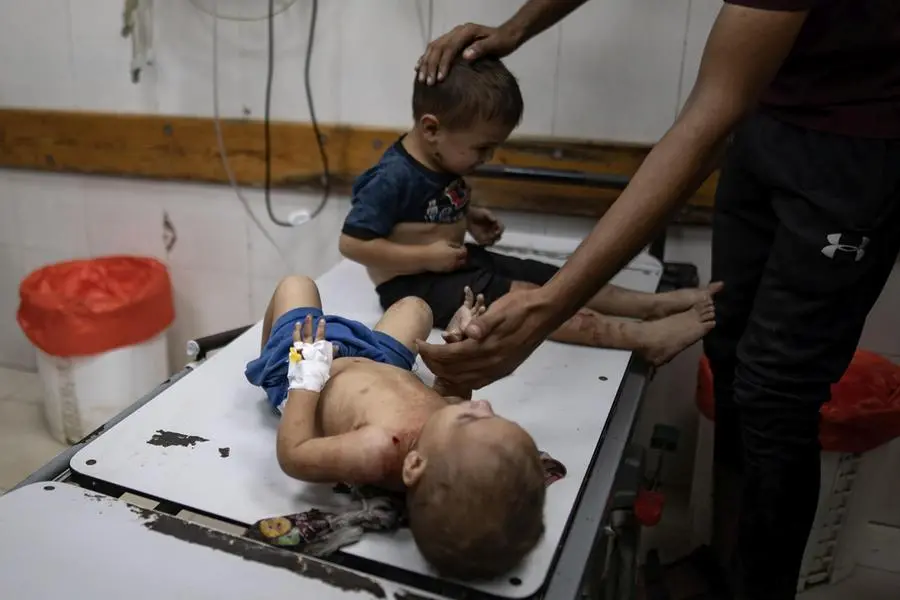
Injured children are treated at the Nasser hospital in Khan Younis, after an Israeli attack on a tent housing displaced people in Khan Younis, southern Gaza Strip
(EPA)
“One Health” and the common good
In this context, Leo XIV indicated the “One Health” approach as the way forward, promoted by the World Health Organization, which integrates human, environmental and animal health in a global vision: «One health requires the integration of the health dimension into all policies», from transport to education, from agriculture to employment, “in the awareness that health is built at the crossroads of all dimensions of social life”. Hence the call to the common good, not to be sacrificed “under the pressure of particular, individual and national interests”.
The Pontiff finally invited us to recover “the fundamental attitude of care as support and closeness to others”, the only way to make healthcare systems more effective and sustainable and to “restore trust in medicine and healthcare professionals, despite misinformation and skepticism towards science”.
In a time in which even hospitals become targets, the Pope’s words bring to the center an elementary and often forgotten truth: war does not only destroy buildings, but wounds the very root of human coexistence, denying care and hitting the most fragile.