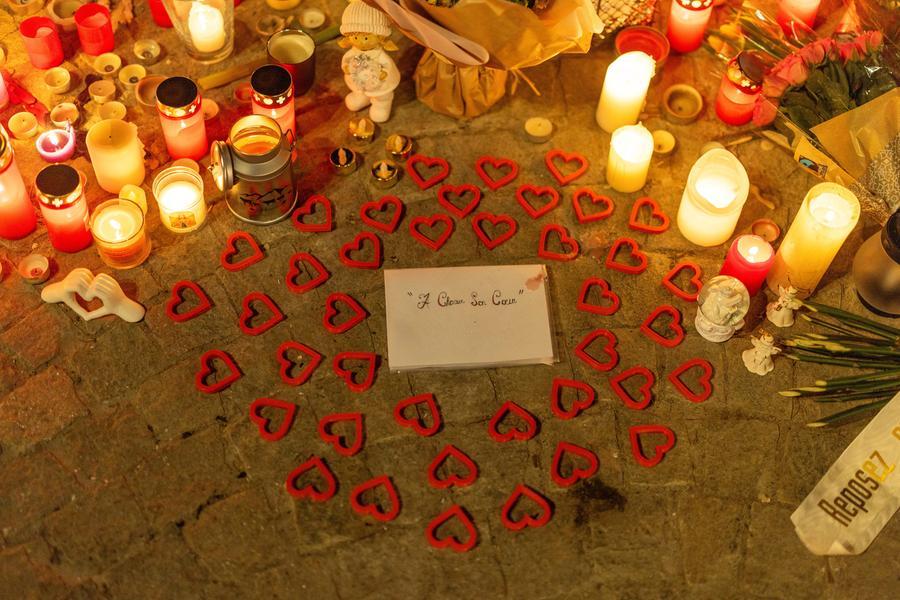






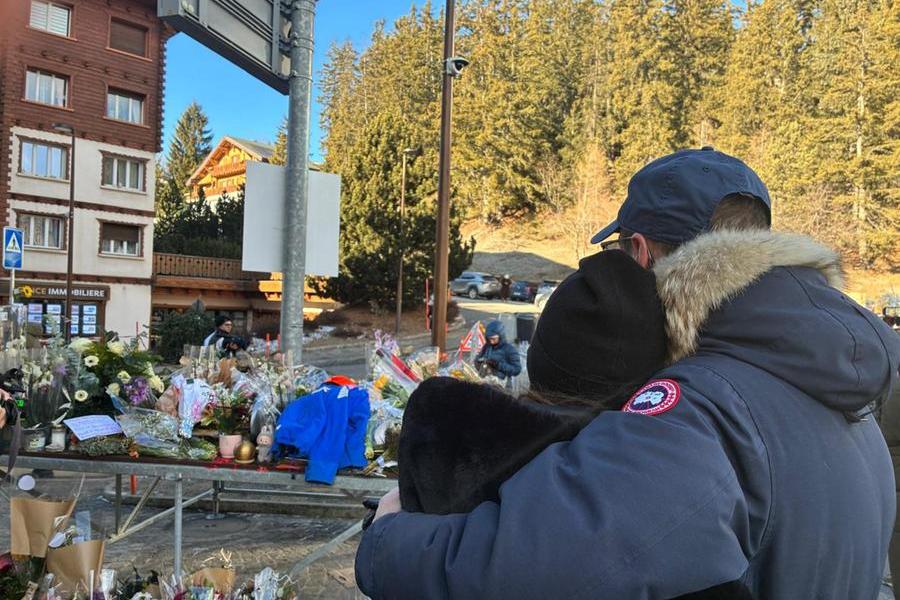
Among the medical and psychological support staff who mobilized after the Crans Montana massacre, there is alsoEmdr Association, which brings together psychotherapists expert in the management of post-traumatic disorders, through a technique, EMDR (Eye Movement Desensitization and Reprocessingtranslated: desensitization and reprocessing through eye movements), which was developed by the American psychologist and researcher Francine Shapiro in 1989 and which is now recognized and applied throughout the world. We reached Elena Simonetta, psychotraumatologist. supervisor Emdr, author of the book among other things Entering memories to heal childhood trauma (Edizioni San Paolo) to understand how to intervene promptly to help both the victims and their family and friends not to make such a painful event chronic.
«I would like to point out that a traumatic event, as devastating as this», specifies the psychotherapist, «cannot be removed, and will always bring with it a load of pain. EMDR cannot eliminate either the event itself from the memory or the sense of mourning and loss. But what must be avoided is that it turns into a profound trauma with effects on both the physical and emotional levels. The consequences of an unresolved trauma can be nausea, vomiting, panic attacks or decontextualized anxiety, phobias (in the specific case they could be generated by the fire of even a simple flame), flashbacks, night terrors, which heavily influence people’s lives and which are activated even remotely from the traumatic event, which is relived not as something linked to the past but as if it were an eternal present that activates fear and the sense of imminent danger”.
Let’s see in more detail how this technique works: «EMDR reduces all symptoms of fear and fright and symptoms of emotional dysregulation» explains Elena Simonetta. «Secondly it allows us to re-elaborate the memory of the trauma, ensuring that this memory is linked to the past. Finally, it allows the activation of resources that allow the person to reduce or eliminate the somatic, emotional and mental symptoms linked to traumatization.” The technique itself is quite simple but it is important to point out that it must be implemented by expert and trained personnel, and according to very important criteria that not all psychologists possess and not on any discomfort or on PTSD, i.e. post traumatic stress. «This is being done It allows a more integrated and faster functioning of the cerebral hemispheres thanks to bilateral alternating stimulation which can be eye movement, but also auditory or sensory stimulation, for example through tapping, i.e. alternating taps on the knees. That is, the brain is fixed on the present thanks to the stimulation, and “throws” a look back into the past of the trauma and tries to relive the experience no longer with the activation of emotional dysregulation, but as an experience that can be overcome. Generally, the capacity for resilience, i.e. positive emotions, is solicited to change the point of view with which one looks at the experience.”
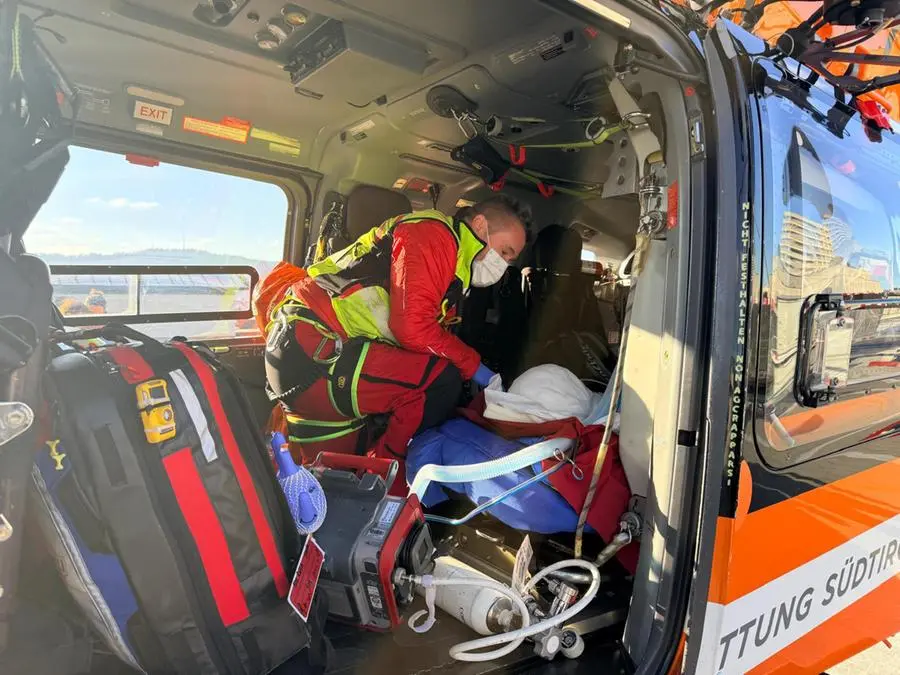
«Certainly in this case this technique is very effective. And I know that in the team of psychologists at the Niguarda Hospital, where numerous seriously injured people have flocked, there are colleagues trained in EMDR. And if necessary, the psychologists of the Emdr association are available to intervene on a voluntary level. As, for example, happened after earthquakes. I was coordinator of a team that intervened after the earthquake that hit Emilia in 2012. And I myself am available in the Milan area if my support is needed in the next few days.”

Elena Simonetta also conceived a development of EMDR, EMDP aimed at the treatment of dissociative behaviors as outcomes of complex traumas, and to which she dedicated her latest books, Broken crystals, written with other colleagues, e I wasn’t supposed to be an only childboth published by Alpes.