






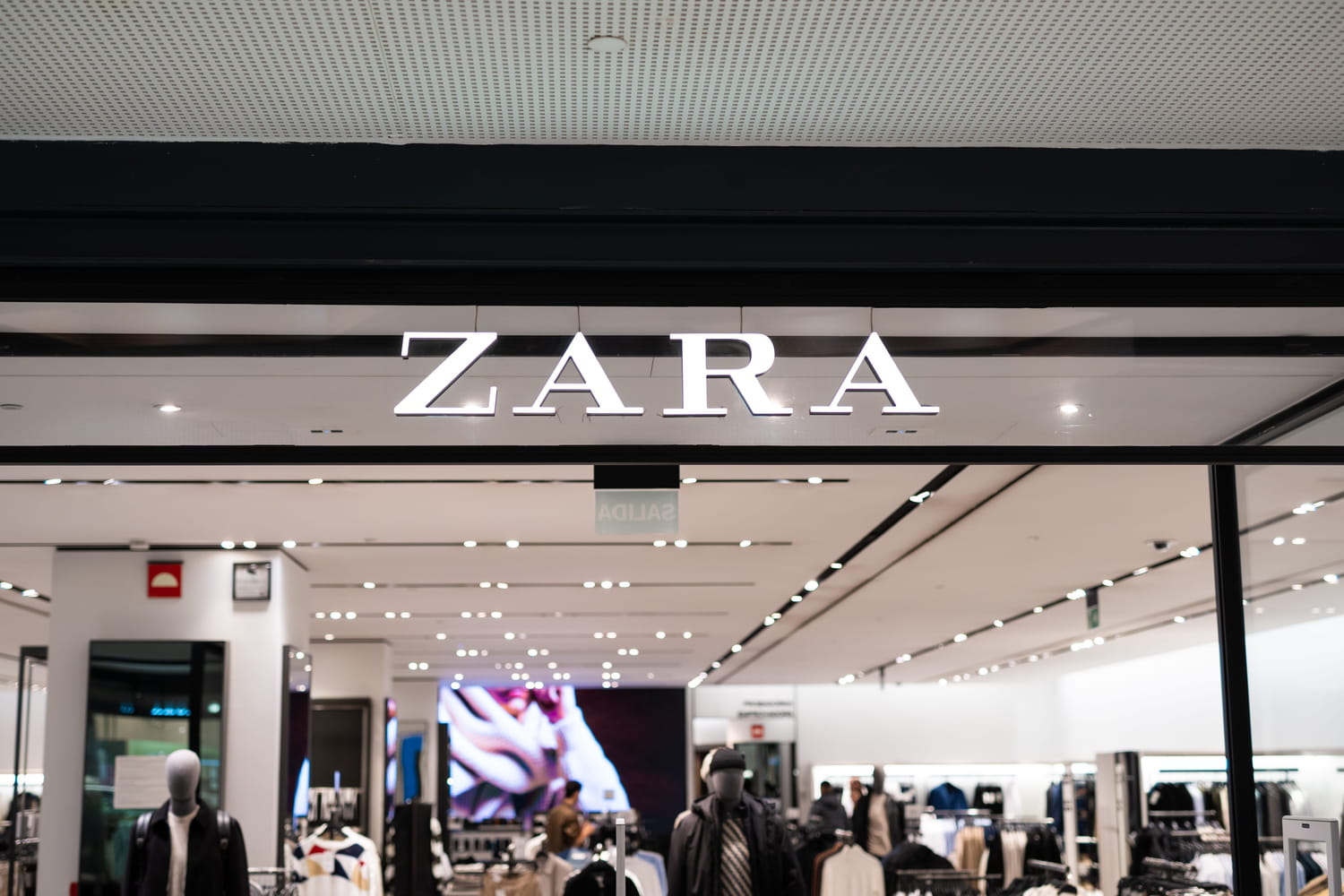
How does Zara make more money by closing stores? The secret of the Spanish giant lies in a formidably effective strategy.
Fewer stores, but still more money. At Zara, the equation may seem completely illogical. However, the Spanish fashion giant continues to deliver spectacular performances. In 2025, its parent company Inditex approached 40 billion euros in turnover and recorded a record profit of around 6.8 billion euros. Impressive results… even though the number of stores in the group has fallen by around 6% in three years, as reported by LSA. What leaves you wondering: how can a brand make more money by closing stores?
At first glance, the strategy seems risky. In commerce, reducing your network of points of sale generally means fewer customers and therefore fewer sales. However, Zara seems to follow exactly the opposite logic. The brand continues to improve its performance while gradually reducing the number of its stores around the world. Behind this apparent contradiction lies in reality a profound transformation of its way of selling.
Because Zara is not really disappearing from city centers: the brand is simply changing format. For several years, the brand has been closing small stores, often scattered in shopping centers or on side streets, to invest in huge stores located in the most strategic locations. These “mega-stores”, sometimes spread over several floors, replace several points of sale on their own. Result: even with fewer addresses, the group’s total sales area actually increased by around 5.3%.
These new stores no longer have much in common with the Zara stores of ten years ago. More spacious, brighter and much more modern, they make it possible to present more collections and offer a smoother journey to customers. A single flagship can attract thousands of visitors per day and generate as many sales as several small stores combined. For the brand, the operation is doubly advantageous: fewer scattered rents, simplified inventory management and much higher profitability per square meter.
But these XXL stores also have a much less visible mission for customers. They have become key parts of the group’s digital strategy. You can collect an order placed online, return an item or even see your order prepared directly from the store. An essential role as e-commerce now represents around 27% of Inditex’s turnover.
By concentrating its investments on very large stores that are better located and connected to e-commerce, Zara is succeeding in a challenge that seems counterintuitive: selling more with fewer stores. A discreet but extremely effective strategy, which largely explains the record results of the Spanish fashion giant.