






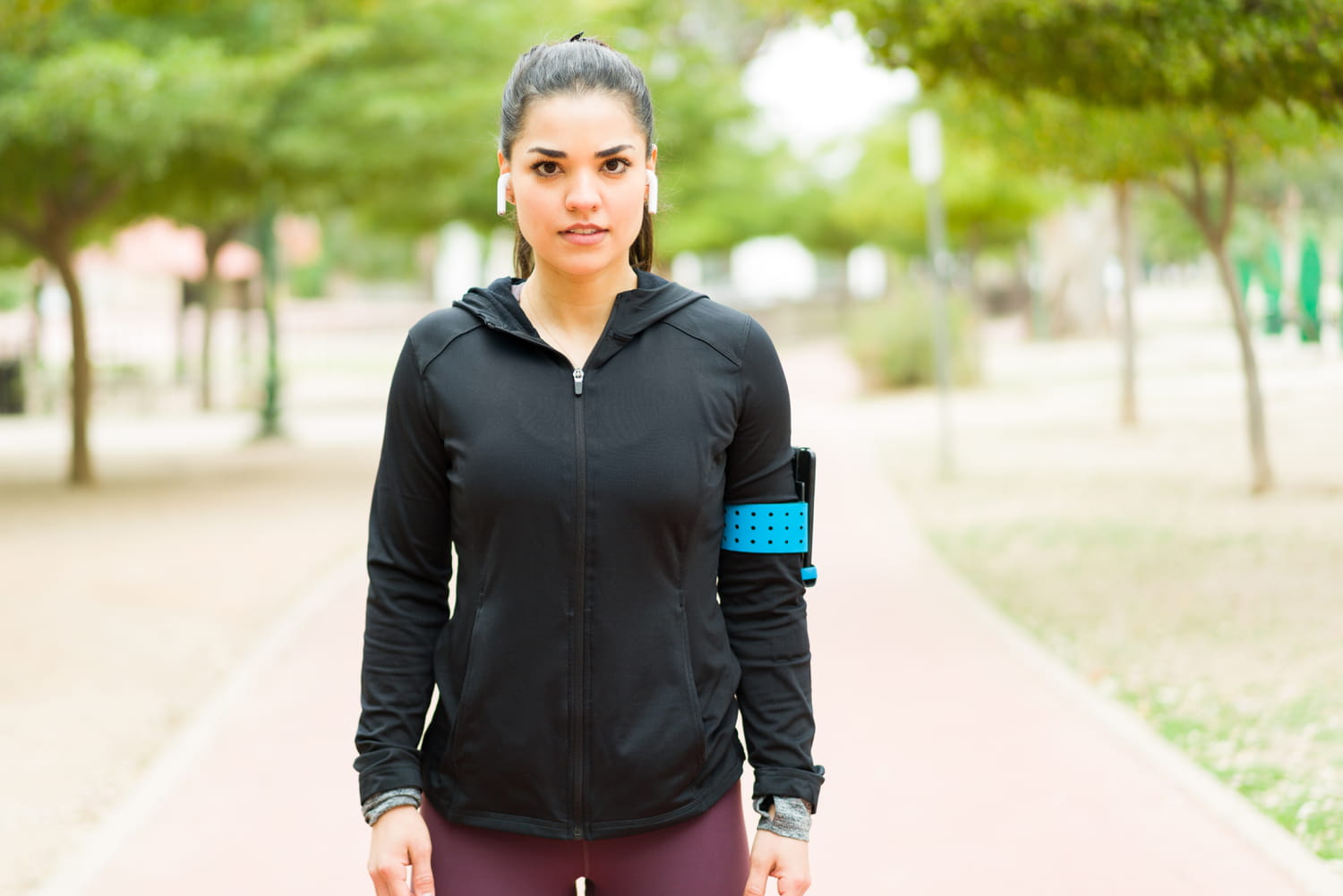
Exercising when you can’t eat or drink puts more strain on the body. Tips for combining the pleasure of sporting activity and Ramadan without risk.
This year, Ramadan begins in winter. Every year for one month, practicing Muslims must respect certain rules including do not drink or eat from sunrise to sunset. During this period of fasting, THE athletes must take precautions to avoid risks to their health such as dehydration and hypoglycemia. These tips apply during Ramadan but more generally for all people who decide to fast.
Is it dangerous to do sports during Ramadan?
“It is not dangerous in itself to do sports during Ramadan but you must be vigilant to the risks of dehydration and hypoglycemia“ answers Nathalie Le Feuvre, dietitian-nutritionist specializing in sport. On the other hand “It is not recommended for a non-athletic person to start physical activity during Ramadan if she has never done one before. For trained athletes, the risks are less significant if they respect their physical sensations (fatigue, tremors, etc.). THE intense and long efforts should be avoided” recommends Séverine Chédel, dietitian specializing in sports nutrition.
What sport to practice during Ramadan?
THE energy-intensive (explosive) sports that consume large amounts of glycogen (carbohydrates which will be transformed into energy for muscular effort) and which make you sweat a lot like zumba, cardio or intense group classes in the gym (boxing) should be avoided during the fast of Ramadan. “Activities like yoga, pilates, Nordic walking, cycling or those practiced in water (aquagym) are more suitable because they consume fewer carbohydrates and make you sweat less. We favor gentle and deep exercises” recommends Nathalie Le Feuvre. “Low intensity efforts and short (maximum 1 hour approximately) are rather recommended” confirms Séverine Chédel.
When to train during Ramadan?
Training in the morning is ideal since it is after the first meal. Glycogen reserves are important if you have consumed carbohydrates (bread, rice, pasta, cereals, potatoes, etc.). “Sport at lunchtime is not recommended during Ramadan since it is too far from the last and next meal. Physical activity can be practiced in the evening if the person does not have the opportunity to do so in the morning” supports Nathalie Le Feuvre. meal that follows will replenish your energy stock. “But be careful, in the case of a profession requiring physical effort during the day, doing sports in the evening can accentuate a state of fatigue” warns our interlocutor.
The human body is made up of more than 70% water and this stock must be renewed during the day otherwise there is a risk of causing discomfort and headache. First of all, it is imperative drink regularly during the authorized period, i.e. outside of fasting. On the other hand, we eliminate herbal teas and tea which have a diuretic effect. Coffee should be avoided because it tends to dehydrate. “Favor highly mineralized water like Hépar, Contrex or Vittel which are high in sodium” recommends Nathalie Le Feuvre. You can check on the labels: select waters that contain + 2000 mg of dry residue.
To minimize the risk of hypoglycemia, we reduce the consumption of fast sugars andhigh glycemic index foods which cause blood sugar levels to rise and fall too quickly. We thus rule out ultra-processed foods (prepared meals, aperitif biscuits, sweet biscuits, pastries, etc.) for the benefit foods rich in fiber and protein, and raw fruits and vegetables such as raw vegetables (less digestible but which smooth blood sugar levels more). We also focus on the semi-complete starches and animal proteins (rather skinny like the chicken) to nourish the muscle.
What advice for practicing sport during Ramadan?
If you want to continue your sports practice during Ramadan, don’t forget to:
- pay attention to body signals : fatigue, malaise, intense thirst and take breaks if necessary
- choose lower-intensity, shorter workouts than usual
- warm up to gently raise body temperature
- hydrate yourself to the maximum
- consume balanced meals
- avoid fatty, sugary foods or meals that are too large
- do not train outside in case of extreme heat
What are the contraindications to practicing sports during Ramadan?
People with pathologies (cancer, diabetes or cardiovascular diseases) must be extra vigilant because sport during a fasting period could aggravate or cause excessive fatigue. “For diabetics, it is important to consult your doctor before Ramadan so that he can adapt the treatment (adapt the dosage and times of intake)” notes Nathalie Le Feuvre. “Athletes with a low weight but also theelderly people, children and adolescents, pregnant women are more sensitive to dehydration and must therefore limit physical exertion. People with little training also need to be more attentive” adds Séverine
Thanks to Nathalie Le Feuvre, nutritionist specializing in sports at Vivalto Sport and Séverine Chédel, dietitian specializing in sports nutrition.