




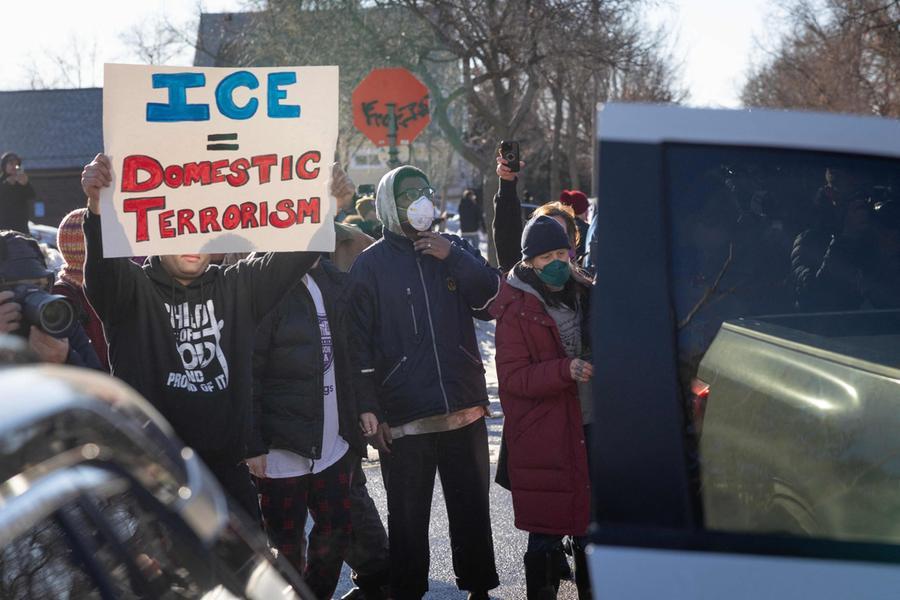
Before the shooting, the ICE presence in Minneapolis was already very strong and perceived as threatening, with numerous incidents of use of force. It was shocking and scary to see what happened in the videos spread everywhere,” he says Lauren Williams, 24 years oldan American psychology student at St. Olaf College in Northfield, Minnesota, a few kilometers from Minneapolis, commenting on the death of Renee Nicole Gooda case that made the rounds of public opinion and the national media.
THE’ICE (Immigration and Customs Enforcement) is the US federal agency responsible for border security and immigration control, strengthened in recent years as part of tougher policies against migrants. The agency’s actions have ended up at the center of a heated debate after one of its agents shot and killed a woman during an operation in Minneapolis while disturbing incidents of abuse continue. ICE agents shot and killed another person, a 51-year-old man, in Minneapolis early Saturday afternoon during protests against the agency’s activities. On the same day, approximately one hundred religious and priests were arrested at the Minneapolis-St. International Airport. Paul for the same reason. According to what was reported by the organizers and the local Lutheran pastor Justin Lind-Ayres, the group – mainly composed of religious and Christian leaders – had gathered at the airport to denounce the use of civil and charter flights in the deportation of detained migrants. The protest took place in a climate of strong emotional tension and extreme weather conditions. Protesters knelt on the track and in adjacent areas, braving freezing temperatures to sing sacred hymns and recite the Our Father. As documented by several videos released on social media, the police intervened after some warnings, proceeding to handcuff the religious people and take them away in police vehicles.
A series of episodes that sparked protests and criticism for the excessive use of force.
Lauren, are you worried this might happen again?
“I’m afraid of what ICE is doing to families in my neighborhood and many other places. Many families are afraid to even leave the house to buy food. ICE waits outside high schools and kidnaps teenagers and there are those who are afraid to go to school. Many people have died in ICE detention centers, but these deaths have not been made public. Additionally, there have been many other attacks on protesters by ICE (tear gas, pepper spray, physical violence). The indignation for what is happening is palpable, but the situation continues to be violent.”
Is there a discussion between you students about ICE and immigration? What is the position of the majority of your comrades?
«For the most part I am surrounded by people who think like me. It’s hard to say what the position of the majority of students across Minnesota is, but I believe that in general many people do not support ICE. It is clear, however, that there is a strong division on the topic. I participated in demonstrations and some people drove by insulting us with vulgar gestures.”
Do you talk about it with your teachers? What do they think about what is happening?
«My professors do not usually express themselves directly on these issues, but they make their feelings clear through their actions. If students miss class to participate in the protests, some offer alternative opportunities to make up for missed work so that grades don’t suffer. This way they show their support. I’ve had more direct conversations with staff members and other people I work for, and everyone I’ve spoken to is angry, concerned, and looking for ways to engage in the community and support those affected.”
How do you find out about these events?
«I don’t usually watch television for information. I follow the news online, through digital newspapers, the radio and social media. Social media is a very powerful tool in situations like this, because it often provides up-to-date information. It is also through social media that information about the protests spreads. Furthermore, there are message chains and WhatsApp groups that regularly post updates on ICE activity.”
Is your country said to be dangerously divided?
«The country is certainly divided, but situations like this also show how strong our community is. In Minneapolis there is a great unity against ICE: people organize to protest, help those who are afraid of leaving home by carrying groceries, follow and document the agency’s activities. Many do what they can to protect and care for their neighbors.”
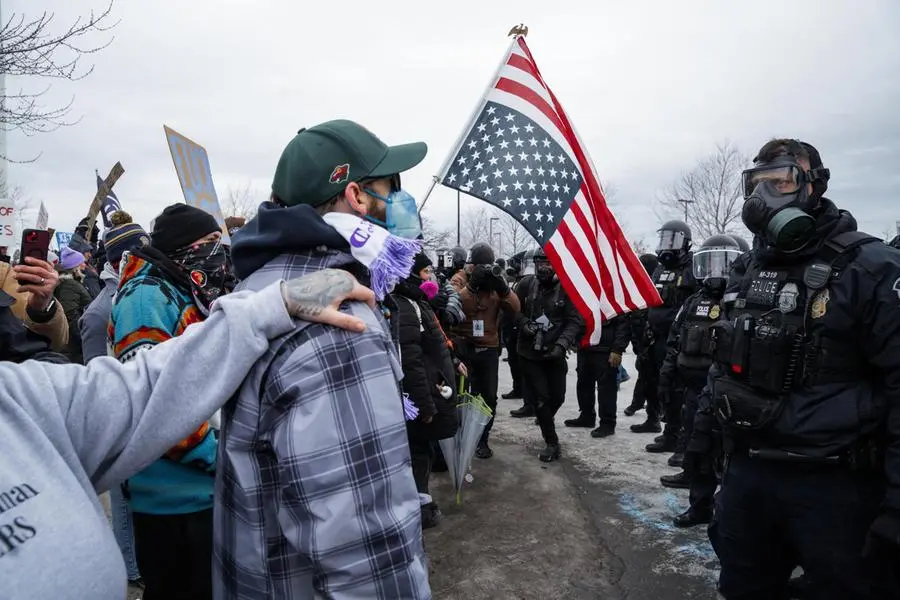
What is the situation in the city now and how are you opposing the violence?
«My companions and I participate in the protests in Northfield. High school students organized a strike and invited us to join too. Friday the 23rd there was a day of general boycott: no shopping, work or school. I volunteer at the food bank. In the city there are those who collect aid, those who bring shopping to those who don’t feel safe and those who protest in front of the hotels where ICE is staying by making noise to disturb their sleep. Many are looking to the November elections hoping for change. People are coming together, but the situation remains violent, exhausting and scary.”