





The message seems official, the tone is alarming, and you are asked to act quickly for security reasons. But behind this well-crafted alert lies a formidable usurpation maneuver.
Global e-commerce giant and the most visited site in France with more than 9 million visitors every day, Amazon has become a favored hunting ground for cybercrooks. To set up a phishing operation, impersonate an identity or trap customers on a large scale, the brand offers ideal cover and immediate credibility. Fake delivery notices, faked security alerts, perfectly imitated fraudulent messages: scammers are multiplying their strategies to extract identifiers and bank details. And a new, particularly sneaky maneuver has just been added to their arsenal.
Just like other online frauds, it uses Amazon’s visual codes to perfection, easily fooling customers into returning to a fraudulent site. Scammers have found a formidable scheme: playing on consumers’ fear and their safety reflex, with two simple words that instantly trigger an alarm signal in our brains. After an order placed on the site, Amazon customers receive an SMS explaining that the product they have just purchased is subject to a recall.for security reasons”. And in our collective mind, the phrase “product recall” creates a feeling of anxiety and urgency that should not be ignored. Is the product I purchased dangerous or toxic? Can it catch fire or explode? When in doubt, I have to check. And that’s where the noose closes.
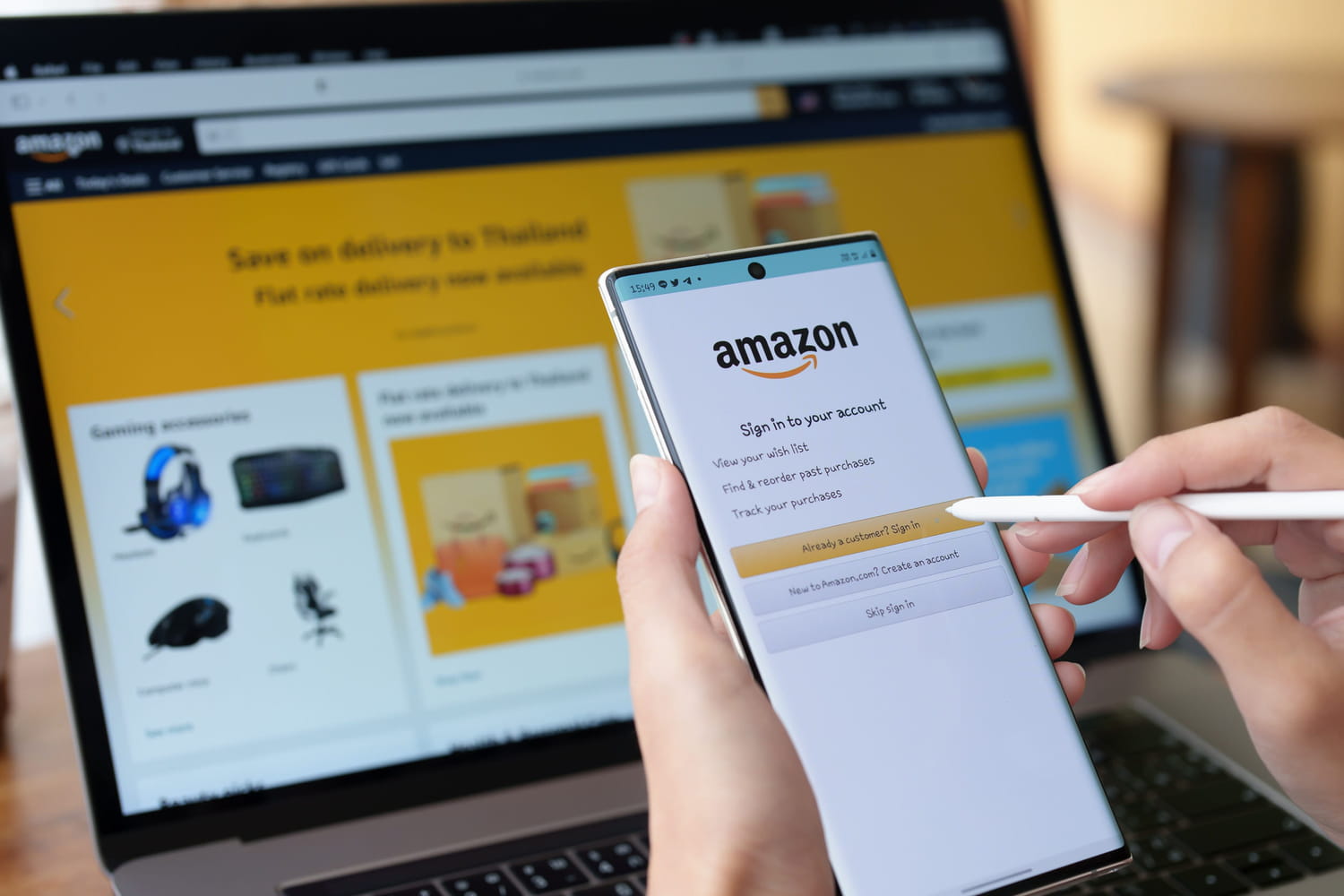
The message encourages the customer to no longer use the product in question, and above all to click on a link to request a refund. Of course, the link is false and therefore leads to a copy of the Amazon site, where you must then log in. The login page looks exactly like the official site, asking for an email address or phone number to access your account, or to create one. And if this scam is particularly vicious, it’s because it costs you nothing… at the moment.
The scammers therefore collect the login credentials of Amazon customers, many of whom have registered their bank card to make their purchases more quickly, and can therefore scam them later: by then, most will have forgotten the product recall message, which ultimately never resulted in a refund, and will therefore not have made the connection. The only solution? Go directly to the official website, without going through the link received, to check if the product is indeed the subject of a recall.
Appearing in the United States more than a year ago, the scam has only just appeared in the United Kingdom, as noted by the consumer association Which? early February 2026. But like all phishing attempts, it generally does not take long before they cross borders: you might as well be cautious, and pull the rug out from under the scammers even before they attack Amazon customers in France.