




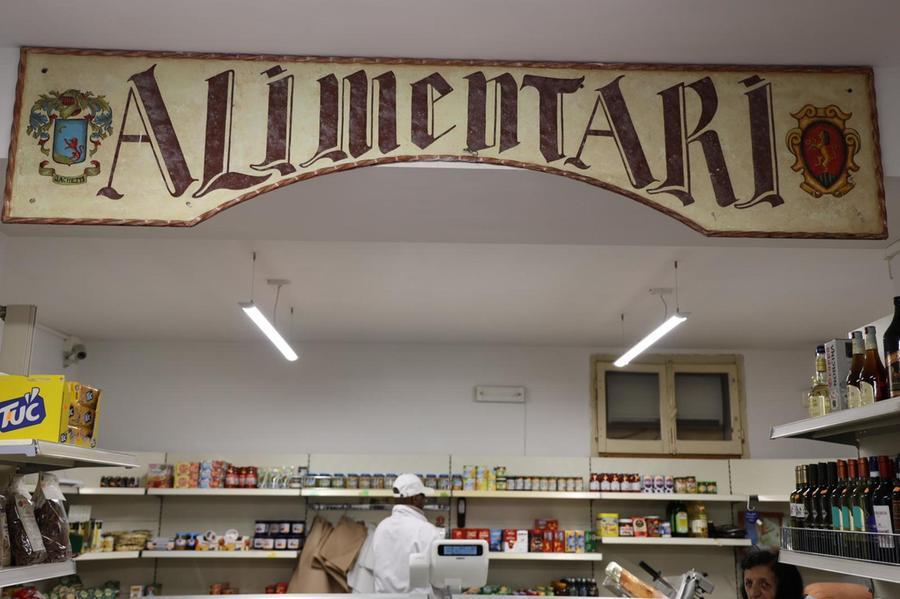
It is a known and tangible fact that consumption in recent years has increasingly shifted in the direction of online shops and shopping centers. There is a constant increase in the number of small municipalities that are left without outlets selling basic necessitieslike those sold in the most classic village grocery store.
The study conducted by Confesercenti puts a social problem under the spotlight: between 2011 and 2025, as many as 103 thousand (!) shops disappeared. The paradoxical fact? Despite the drastic decline, commercial space increased by 7.4%. We’re not buying less, it’s just happening in bigger, more distant places. But this is not the only change that has occurred in these 14 years.
The number of shops and small shops is decreasing and at the same time the size of large sales areas is decreasing. The “medium” formats are growing: since 2011 the number of businesses between 151 and 250 m2 have increased by over a thousand units. The micro-shops within 50m2 are definitively disappearing (over 72 thousand units lost) those who guaranteed hardware, toys and above all, local food.
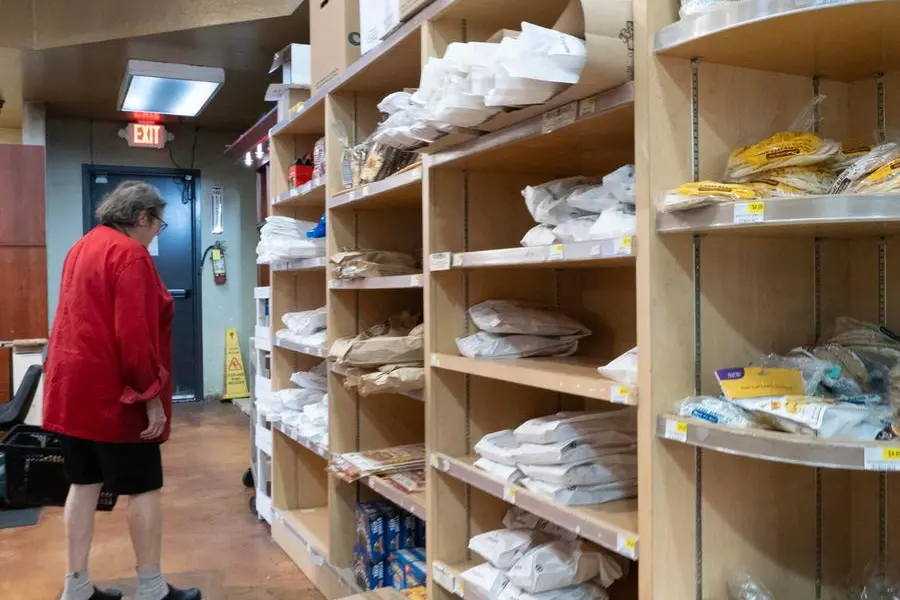
«These numbers tell us that physical commerce isn’t simply ‘declining’: it’s reorganizing itself. The reorganization, however, has a cost, and the victims are the small independent businesses, those which due to their size guaranteed specializations and which constitute a point of reference for the community. Because of this we need policies that bring together two objectives: stopping desertification and accompanying the growth and evolution of those who can invest and innovate», comments Nico Gronchi, President of Confesercenti.
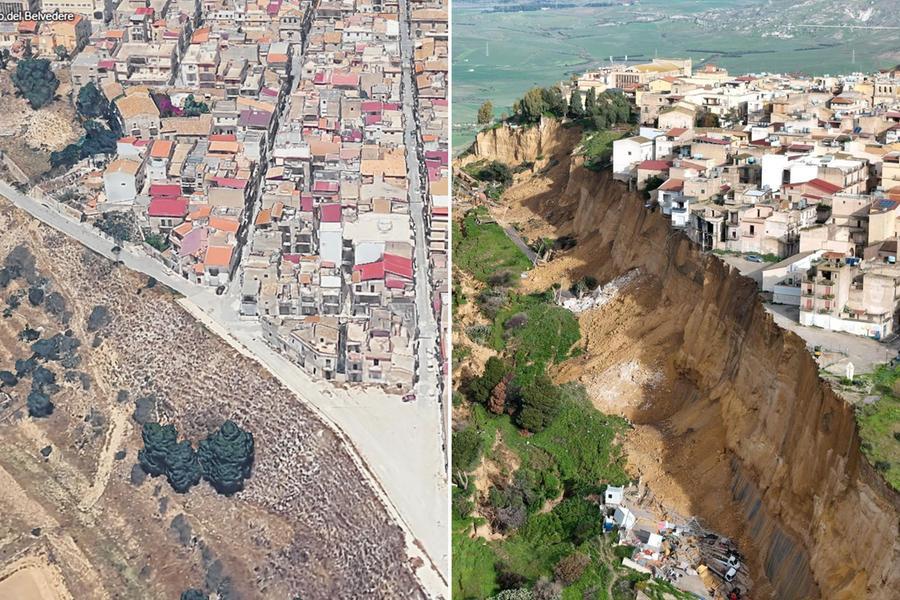
The real problem that emerged is that linked to small municipalities. There are even more than a thousand countries that no longer even have a grocery store. Very often those who live here have to take the car and travel to the point of sale in the nearest municipality even just to make a minimal purchase.
There are those who have responded to this difficulty in a proactive manner, such as the mayor of Postalesio Federico Bonini in the province of Sondrio, in Lombardy. The town has around 650 souls who have been deprived of the possibility of shopping near their home. Since January 23, the municipality has decided to react to help its inhabitants, mostly elderly, by establishing a minibus that picks them up from house to house and takes them to the nearby Castione shopping center.
It is the photograph of 2026: an Italy where the “neighborhood service” is no longer guaranteed by the marketbut must be assisted by the Municipality, transforming an elementary right such as buying bread into an organized trip.