






Americans could face another round of fuel-price increases after oil markets surged Monday following reports that Iran had halted negotiations with the United States and threatened to block the Strait of Hormuz, one of the world’s most important energy routes. The development has reignited fears that inflation could remain stubbornly elevated and that households and businesses may once again feel the effects of rising energy costs.
Oil prices jumped more than 7% after Iran’s state-affiliated Tasnim news agency reported that Tehran would stop exchanging messages with Washington through intermediaries and move to fully block the Strait of Hormuz. The threat marks a significant escalation in tensions across the Middle East and raises fresh questions about the stability of global energy supplies.
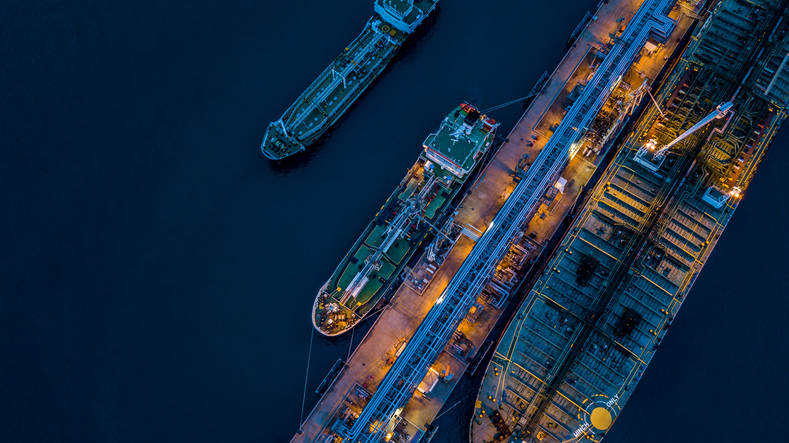
The Strait of Hormuz is one of the world’s most strategically important shipping corridors. Before the current conflict, roughly one-fifth of global oil supplies passed through the narrow waterway connecting the Persian Gulf to international markets. Any disruption to traffic through the strait has the potential to ripple across the global economy, affecting everything from gasoline prices to transportation and manufacturing costs.
Investors had been betting that diplomacy might eventually ease restrictions on regional oil supplies. Monday’s developments forced a rapid reassessment. The latest escalation suggests exports from the region could remain constrained for longer than markets had expected, reversing some of the optimism that had recently pushed energy prices lower.
Higher oil prices often extend far beyond the fuel pump. Rising energy costs can increase expenses for airlines, trucking companies, manufacturers and retailers, with those costs frequently finding their way into consumer prices. For households already dealing with elevated living expenses, another sustained increase in energy costs could make household finances even tighter.
Businesses tend to pull back when fuel costs start climbing. Some delay expansion plans, others slow hiring, while many simply pass higher costs on to customers. While the economic impact of the latest escalation remains uncertain, investors are already weighing the possibility that energy costs could stay higher for longer.
According to Tasnim, Iran’s decision was linked to what Tehran described as ongoing ceasefire violations involving Israel’s military operations against Hezbollah in Lebanon. The report stated that Iran and allied groups had resolved to completely block the Strait of Hormuz and activate pressure on other regional trade routes.
The latest escalation comes after President Donald Trump said he was considering a potential deal with Iran that could help ease tensions. However, negotiations have since deteriorated, while military activity involving the United States, Iran and Israel has continued to intensify. Iranian Foreign Minister Abbas Araghchi said Monday that violations of the ceasefire on any front would be treated as violations of the agreement as a whole.
Shipping activity through the Strait of Hormuz has already been heavily disrupted since the conflict began. Vessel traffic remains well below prewar levels, and fears are growing that further restrictions could place additional strain on global energy markets. Oil exports through the corridor remain significantly below normal levels, with both Iranian threats and retaliatory measures contributing to the disruption.
Whether that risk becomes reality remains unclear. What is clear is that traders are once again pricing in the chance that disruptions in the Gulf could affect fuel costs, inflation and economic confidence well beyond the region.