






From January 1, 2026, more than thirty international humanitarian organizations will no longer be able to operate in the Gaza Strip, according to a decision announced by the Israeli government. The organizations involved include leading names in global humanitarian assistance: Oxfam, Caritas, Doctors Without Borders (MSF), ActionAid, the Norwegian Refugee Council, CARE International and the International Rescue Committee.
The official justification for the provision, issued by Ministry of Diaspora Affairs and the fight against anti-Semitism, concerns the failure to comply with the new registration requirements which came into force in March 2025. According to the Israeli authorities, the organizations did not provide sufficient information to demonstrate the absence of links between their employees and groups considered terrorist, in particular Hamas and Islamic Jihad.

The new registration requirements
Regulations introduced by Israel require NGOs operating in the Palestinian territories to register the full names of their workers, including local Palestinian employees, and to provide details of funding and operations. But the rules go beyond purely administrative aspects: they include ideological requirements that exclude organizations that have promoted boycotts against Israel, denied the October 7 attack, or expressed support for international prosecutions against Israeli soldiers or leaders.
Minister Amichai Chikli said that humanitarian assistance is welcome, but not the exploitation of humanitarian facilities for terrorist purposes. For its part, the Cogat (Coordination of Government Activities in the Territories) office argued that the organizations affected by the ban represent only 1% of the total aid entering Gaza and that services will continue through government-approved channels.
The objections of humanitarian organizations
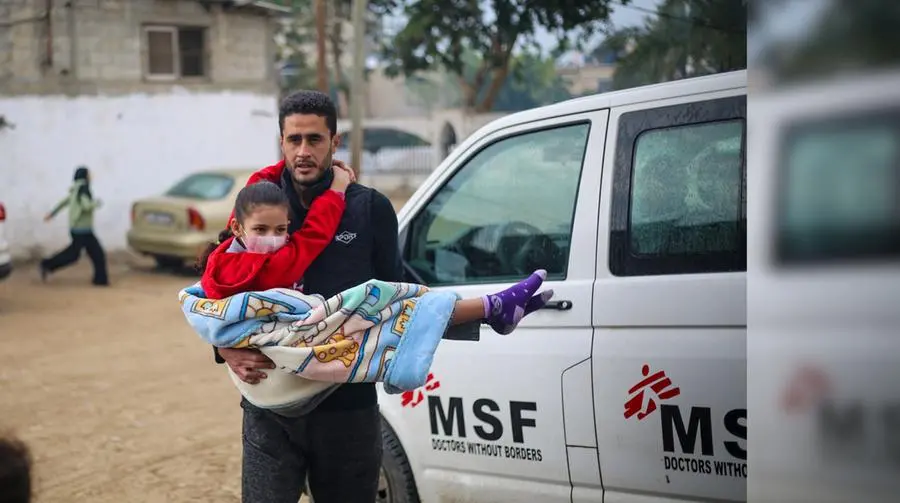
The NGOs involved have firmly rejected the Israeli accusations and have raised serious concerns about the safety of the personnel. Athena Rayburn, executive director of AIDA, an organization representing over 100 entities operating in the Palestinian territoriesstressed that Israel had not confirmed that the data collected would not be used for military or intelligence purposes, and recalled that in addition 500 aid workers were killed in Gaza during the war.
Doctors Without Borders called the impact of the Israeli decision on its work in Gaza, where the organization supports about 20% of hospital beds and assists a third of births, “catastrophic.” MSF has categorically denied Israel’s accusations, reiterating that it would never knowingly employ anyone involved in military activities. The organization warned that if Israeli authorities revoke MSF’s access to Gaza in 2026, a large portion of the population will lose access to critical medical care, water and life-saving support, as MSF’s activities serve nearly half a million people through vital support to the shattered health system.
Shaina Low, communications advisor at the Norwegian Refugee Council, explained the reasons for the refusal to submit the staff lists: «It comes from a legal and security perspective. In Gaza, we saw hundreds of aid workers killed». The decision not to renew the licenses means that offices in Israel and East Jerusalem will be closed and the organizations will not be able to send international staff or aid to Gaza.
The context of the humanitarian crisis
The Israeli decision comes at a time when the humanitarian situation in Gaza remains dramatic, despite the ceasefire in force since October 2025. Over one and a half million people out of a total of around 2 million are in conditions of severe food insecurity, according to the Integrated Food Security Phase Classification, a consortium of 21 intergovernmental organizations and institutions.
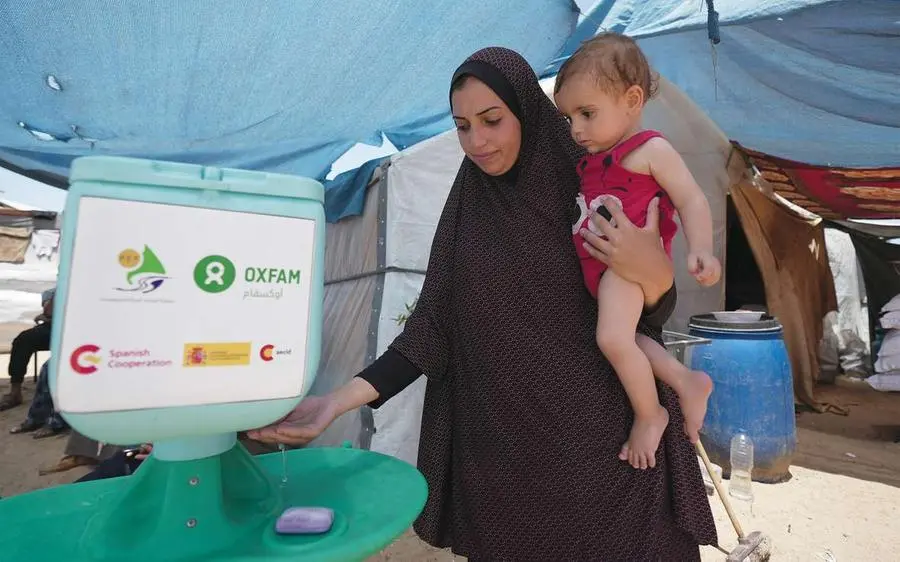
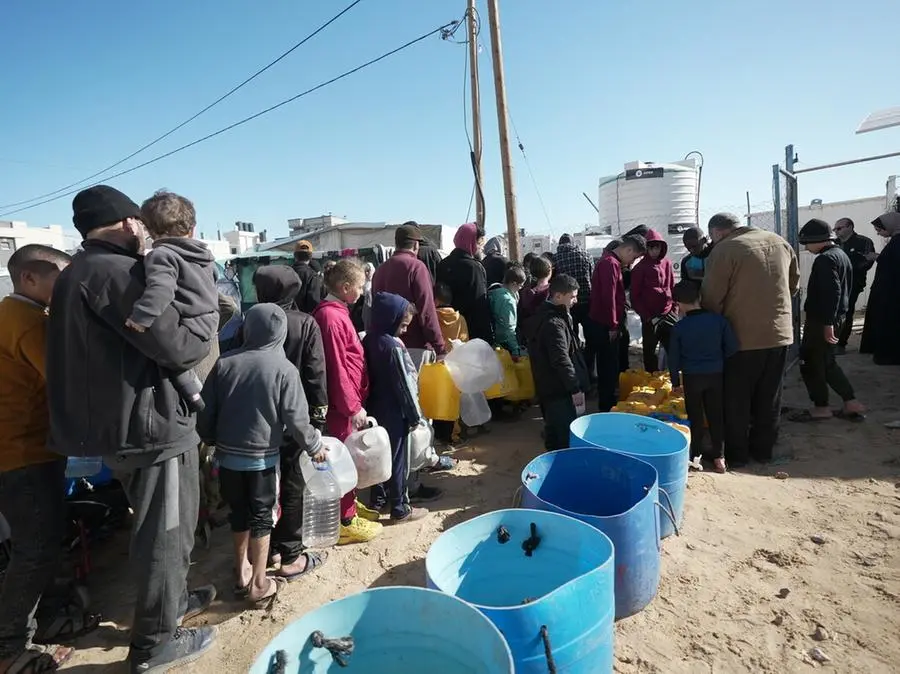
The foreign ministers of ten nations – the United Kingdom, Canada, Denmark, Finland, France, Iceland, Japan, Norway, Sweden and Switzerland – have expressed serious concerns due to the renewed deterioration of the humanitarian situation. In their joint statement they highlighted that as winter approaches, civilians in Gaza face terrible conditions with heavy rains and dropping temperatures. 1.3 million people still require urgent housing support, more than half of health facilities are only partially functional and the total collapse of sanitation infrastructure has left 740,000 people vulnerable to toxic floods.
Israel’s accusations and the debate over aid control
Israel has long accused humanitarian organizations operating in the Strip of having links to Hamas. The most discussed case was that ofUNRWA, the United Nations agency for Palestinian refugees, which was banned from Israeli territory in January 2025 after months of criticism from Prime Minister Benjamin Netanyahu and his far-right allies. The United States, previously UNRWA’s largest donor, ended funding to the agency in early 2024. The underlying issue concerns the complex operational reality of Gaza. Hamas has ruled the Strip since 2007, and those operating within it are often forced to work closely with the group. However, a US government review this year found no evidence of widespread theft by Hamas, a claim that both Israel and the US State Department had made.
Humanitarian organizations have consistently denied accusations of collaboration with Hamas and have stressed that they follow rigorous staff vetting procedures. The organizations expressed their concerns and offered alternatives to the submission of personnel lists, such as third-party verification, but Israel has refused to engage in any dialogue.
The price of humanitarian workers
One of the most tragic aspects of the war in Gaza has been the very high number of aid workers killed. The number of aid workers killed in Gaza over the past year is the highest ever recorded in a single crisis, according to a statement from the heads of the United Nations Inter-Agency Standing Committee.
The vast majority of victims are local Palestinian personnelwho continued to provide care to their community despite enormous risks. According to data collected byAid Worker Security Databasehundreds of aid workers have died since the conflict began in October 2023, making Gaza the most dangerous place in the world for those providing humanitarian aid.
Future prospects
Organizations affected by the ban will have two months, until March 2026, to wind down their operations and close their offices. During this period, the workload will fall entirely on already exhausted local staff, in a context where demands remain enormous despite the ceasefire. Shaina Low of the Norwegian Refugee Council said: «Despite the ceasefire, the needs in Gaza are enormous and yet we and dozens of other organizations will be and will continue to be blocked from providing essential life-saving assistance.”
The dispute raises fundamental questions about the delicate balance between security needs and humanitarian imperatives in conflict zones. On the one hand, Israel supports the need to prevent the infiltration of terrorist elements into humanitarian operations. On the other hand, international organizations point out that the requirements imposed are vague, arbitrary and impossible to meet without violating international legal obligations or compromising the fundamental humanitarian principles of neutrality and independence.
While the world watches with concern, the civilians of Gaza – already tested by more than two years of war, repeated displacements and precarious living conditions – risk paying the highest price for this clash between security logics and humanitarian needs. The Israeli decision, at a time when the population faces the winter in improvised tents and without basic services, suggests a further worsening of a situation already defined as “catastrophic” by the international community.
* Photo: Oxfam, MSF