


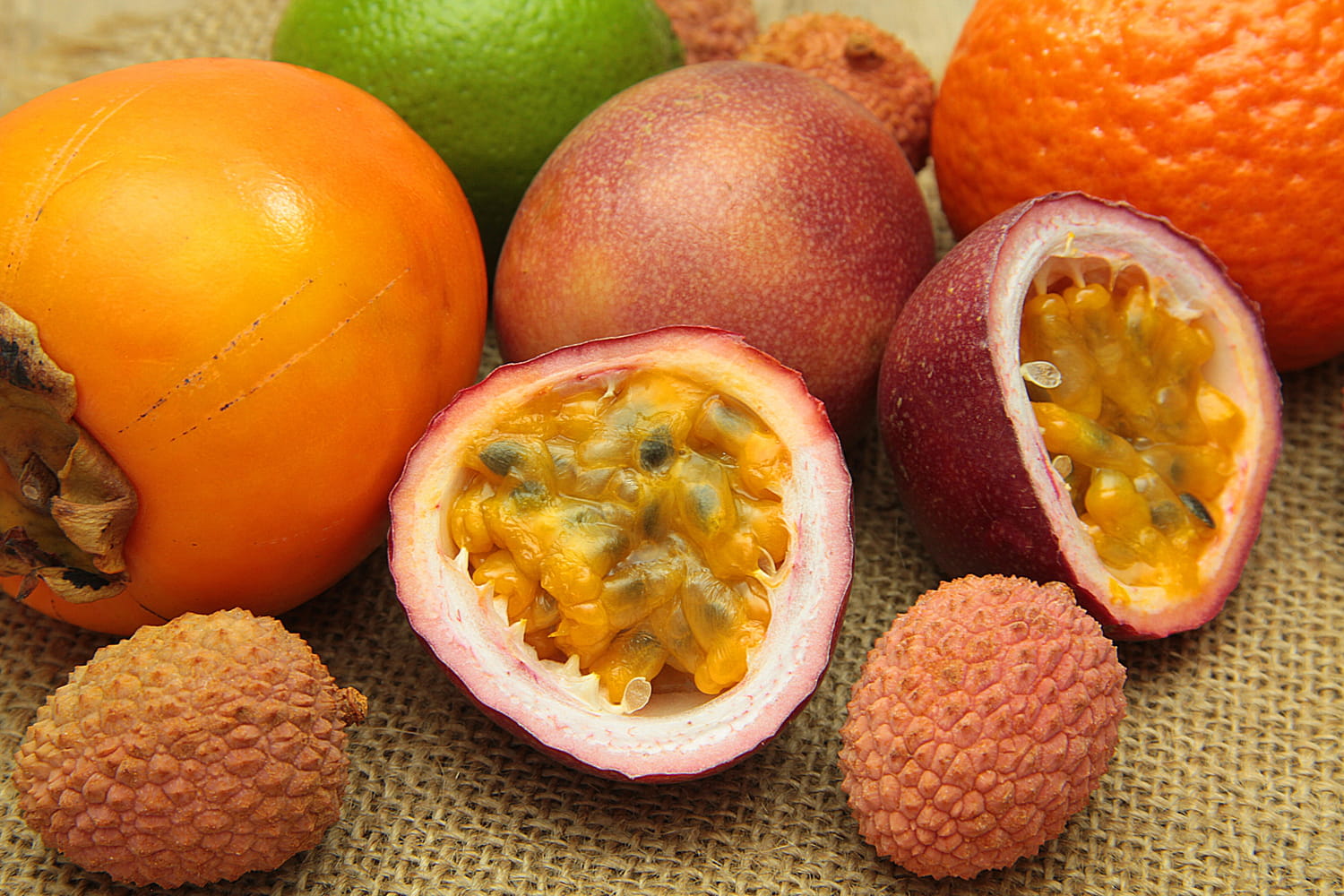



Appreciated for its juicy and fragrant flesh, this fruit requires careful tasting to be enjoyed without risk.
It is an essential fruit in fruit baskets, yet it is associated with a little-known metabolic risk. Indeed, if its benefits on immunity are undeniable, this fruit requires a precaution: never consume it on an empty stomach. Scientific work has demonstrated that some of its molecules can interfere with the natural regulation of our blood sugar. This reminds us that in nutrition, the moment of tasting matters just as much as the contents of the plate.
The researchers analyzed cases of unexplained discomfort occurring in children. The consequences observed were serious: hospitalizations for “acute convulsive seizures” and one “altered mental state” have been reported. Their conclusions are clear: the consumption of this fruit, when coupled with an absence of meals (an empty stomach), becomes a triggering factor for these severe disorders. In question: two natural toxins, hypoglycin A and MCPG, which are present in the fruit, especially at high levels when it is not fully ripe. These molecules block gluconeogenesis, that is to say the liver’s ability to produce glucose (sugar) when our reserves are low because we have not eaten for several hours.
The culprit fruit is lychee. The study specifies that these toxins cause “severe disturbance of metabolism”, preventing the body from correcting a natural drop in diet. Concretely, if you eat lychees on an empty stomach, the toxins “lock” the door to your energy reserves. This causes a sudden drop in blood sugar levels, because the body can neither draw on the fruit (which contains few complex carbohydrates) nor produce its own sugar. It is this immediate lack of fuel that starves the brain and can cause discomfort.
We must not give in to panic. Studies show that the risk of serious illness from lychee mainly concerns: children because their liver sugar reserves are much lower than those of adults; people who are malnourished or have fasted for a long time (if you skipped dinner and eat 20 lychees when you wake up, the risk is real) and the consumption of unripe lychees. Slightly green fruits contain up to 2 to 3 times more toxins (hypoglycin A) than a very ripe lychee (pink/red). For a healthy adult who eats a few ripe lychees, the body usually has enough reserves to counter the effect of the toxins. The risk is therefore very low, but it is still biologically not recommended to eat it exclusively on an empty stomach.
Lychee also remains a fruit that is good for health, for several reasons. A study conducted by the Heilongjiang University of Traditional Chinese Medicine highlighted the richness of its polysaccharides. The authors salute its “remarkable nutritional properties” which offer a double benefit: a “immunoregulatory effect” to stimulate the defenses and “prebiotic effect” effective in nourishing the good bacteria of the intestinal flora. Lychee is also a fruit that contains more vitamin C than orange or grapefruit (around 70 mg per 100g). It also contains an interesting potassium content, which helps regulate blood pressure. It is therefore a winter fruit to consume in moderation, especially in the morning.