
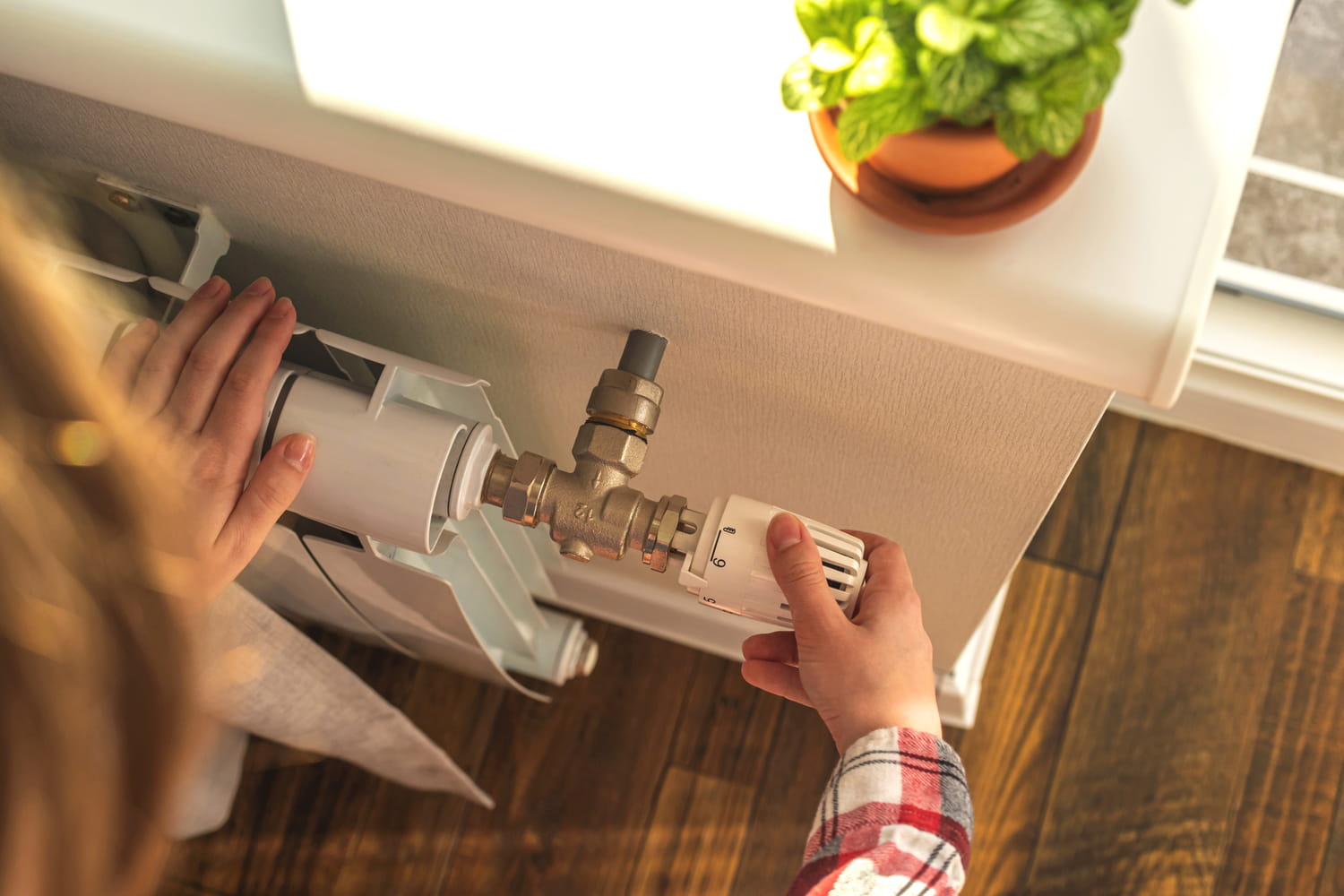





Heating professionals believe that a detail can be enough to let a significant part of the heat escape into our interiors, and therefore money. Fortunately, a quick measure can remedy this.
Many are looking for technical solutions to improve thermal comfort: changing radiators, reviewing settings or considering work. However, some insulation professionals explain that the problem can be much more mundane. In many homes, heat is produced well, but it circulates poorly.
This observation often comes up among specialists who analyze the energy performance of homes. According to them, the feeling of cold is not always linked to the power of the heater, but to what happens once the heat is emitted. Chad Bragg, insulation expert at SuperFOIL, emphasizes a largely underestimated point: “Many people are unaware of the importance of good ventilation for the energy efficiency of radiators”. He emphasizes that this lack of circulation cannot be seen or heard, but is paid for each month in bills.
Likewise, air infiltration around doors and windows can cause the indoor temperature to drop quickly. “Draughts are currents of cold air that often seep through gaps around windows and doors, and they can cause a room’s temperature to drop significantly,” he explains, recalling that simple solutions exist to limit these losses.
Insulation of course remains a central element. “If your energy bills keep rising, it’s essential to double-check your insulation to make sure it’s still effective”advises the specialist. Certain signs should alert, such as “the appearance of cold spots or unexplained condensation in your home”. But even in a properly insulated home, heat can be poorly distributed if nothing allows it to diffuse properly.
This is where a very concrete recommendation comes into play. Specialists speak of a rule to be applied in all rooms, without work or purchase, and whose effect is immediate on heat distribution. It consists of leaving sufficient space around the radiators so that the hot air does not remain blocked. In practice, this means respecting a distance of around thirty centimeters between the radiators and what is in front of them.
Chad Bragg puts forward a telling figure: “It is believed that incorrect positioning of radiators can result in a 25% loss in heating efficiency. This represents a considerable waste of heat, and this is precisely why it is essential to ensure there is enough space between radiators before switching on the heating.” Enough to take stock of the layout of your interior.