




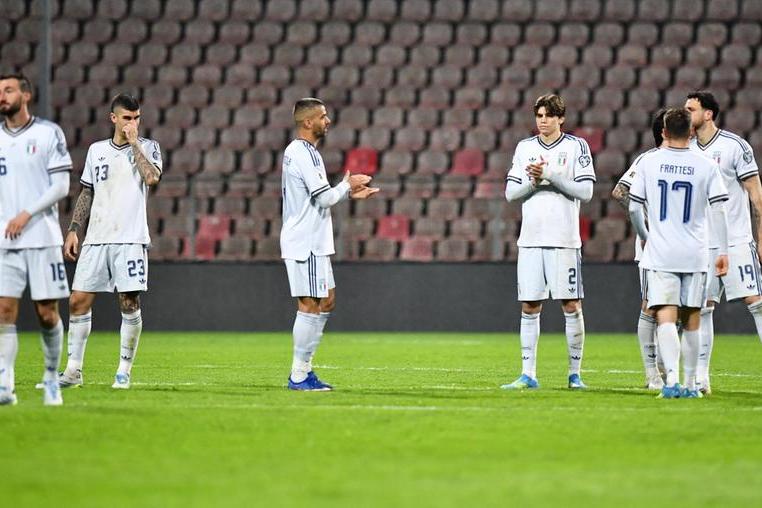
There is a generation, it is true, that has never seen and for at least another four years will not see Italy at the football World Cup, and if it has seen it since 2010 it has seen it in a succession of meager figures, excluding the 2020-21 European Championship, which however was more like a swallow that made spring than a reflection of the good health of a movement. We have heard a lot about this generation “defrauded” of the poetry of the blue World through the abyss of darkness, but it is probable, and perception and data seem to confirm it, that those who miss it are the old people who miss a lost world, which for the kids is now distant sidereal distances.
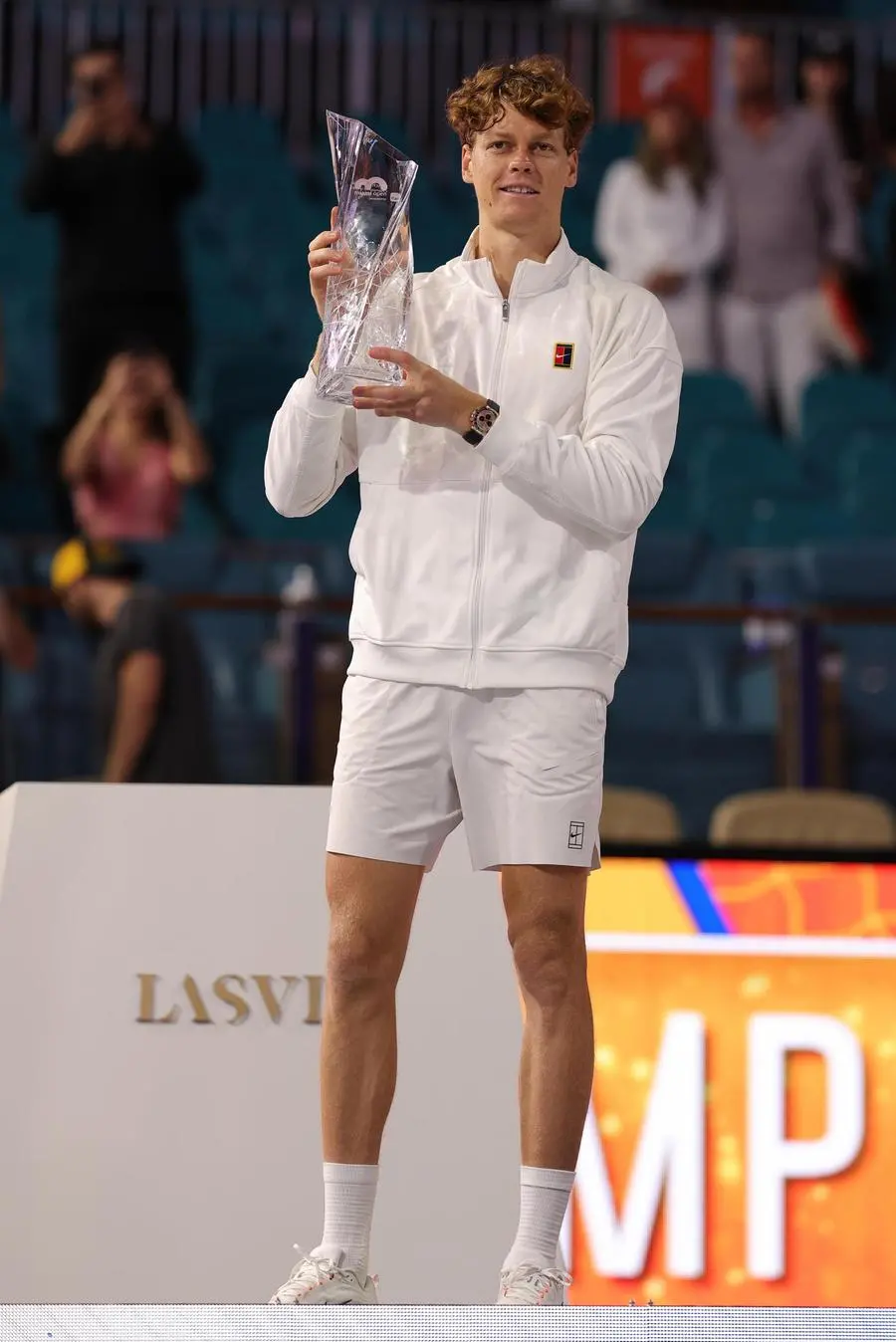
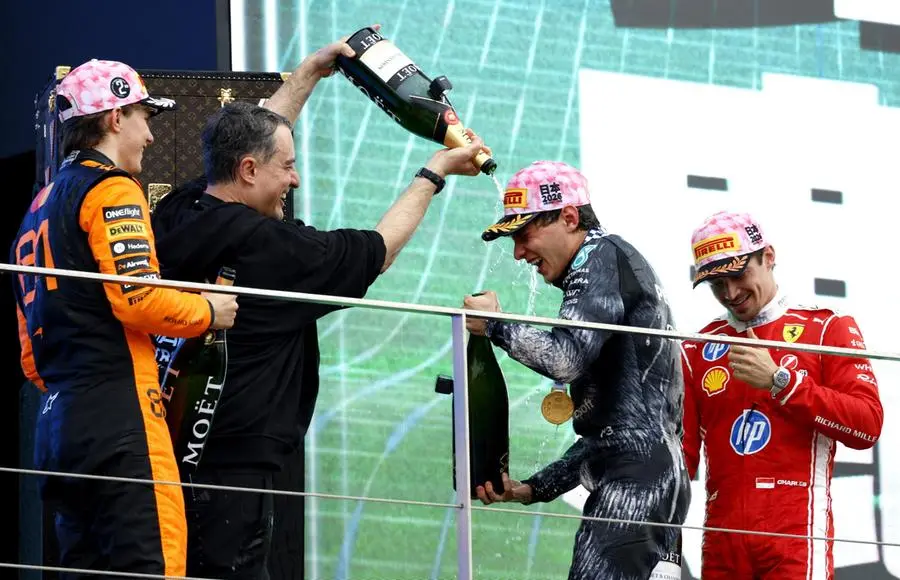
The boys probably partly because they don’t miss what they never had, partly because they have better, they simply go elsewhere where there is success, enthusiasm, passion: the boys and girls have Sinner, Kimi, Bez to inspire them, they have Paola Egonu, Cecilia Zandalasini, Alessandro Michieletto, Mattia Furlani, Nadia Battocletti, Zanyab Dosso, Larissa Iapichino, boys who are little older than them they win with the lightness of their twenties and which reflect the Italy they represent.
They have other more mature legends to inspire them: Federica Brignone and Sofia Goggia above all who transmit to them by example how to fall and get back up, how to handle enormous pressure and which is a great theme in the daily life of digital natives. We can see from the vitality on the Internet how much women’s artistic gymnastics with Alice D’Amato and Manila Esposito has conquered young girls, and not just today.
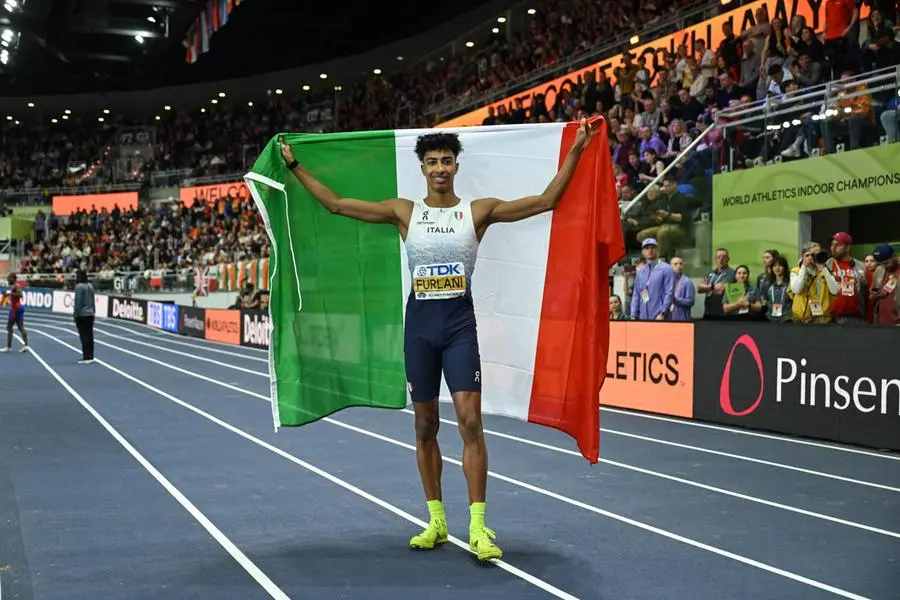
Never before has Italian sport offered young, beautiful, successful examples with which to identify. Why on earth would anyone who hasn’t had it miss a dusty world that has been mulling over the same problems for at least 15 years, hoping for an evening miracle? Why on earth, never in the face of such a successful and satisfying sport, should they feel cheated of matches played in infernal pits of boos, technically poor and deadly boring?
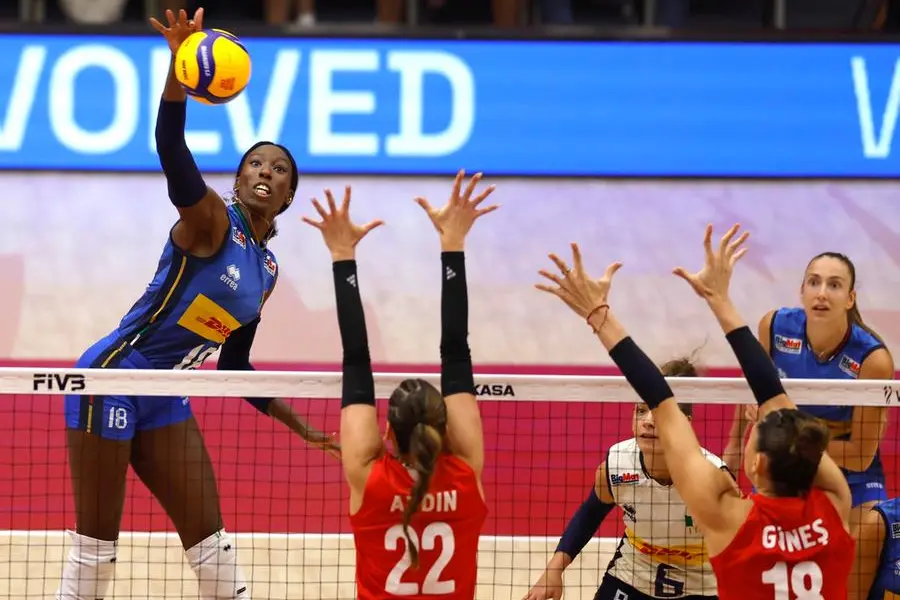
Perhaps it would be the case for football to emerge from its entrenchment, to humbly study how other sports have managed to grow talents even in the nichefrom curling to sledging, and to remedy decades of failures by investing in ideas, in study, in knowledge (see tennis, athletics, volleyball).
It must realize that the world has changed, that income has dried up, and that if football wants young people back it must go and win them back in the context of increased competition.