





Mt 9,14-15 – Friday after Ash Wednesday
«Can the wedding guests be in mourning while the groom is with them? But the days will come when the bridegroom will be taken away from them and then they will fast” (Mt 9:15). The lesson on fasting that Jesus gives to John’s disciples, who ask him for explanations as to why his disciples do not fast as they and the disciples of the Pharisees do, highlights the new mentality that Jesus inaugurates with his teaching.
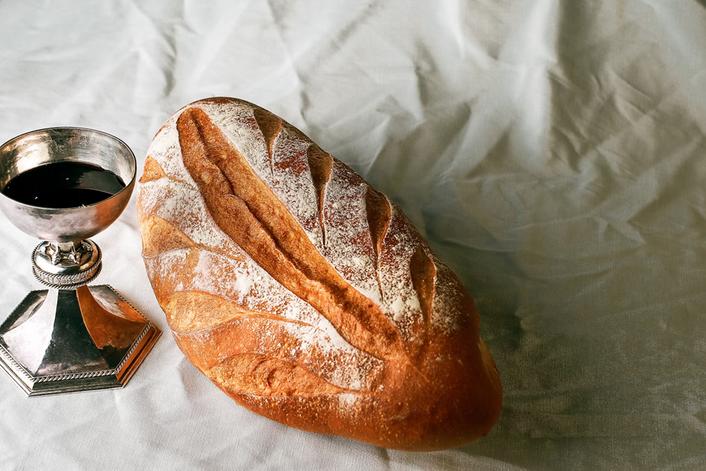
You don’t fast to prove you’re top of the class. Fasting is not a spiritual competition nor a display of religious coherence. Jesus brings everything back to the relationship with the Groom: it is his presence or his absence that gives meaning to the gesture. We fast only and only in a relational dynamic with God. That is, fasting is a form of solidarity with Jesus, not a way to show oneself beautiful and good. Until a Christian recovers the profound meaning of religious practices making them part of his relationship of friendship with Christ, then he is simply a pagan who uses Christian prayers to convince God to be on his side.
Fasting, then, becomes a language of love: it is the way in which the heart expresses desire, expectation, nostalgia for a saving presence. It is not the attempt to bend God to our requests, but the opposite: it is letting ourselves be bent by his will, to learn to desire what He desires for us. When a practice is born from friendship with Christ, it does not burden life, but purifies it. It doesn’t make you rigid, but more free. Authentic fasting does not close us in on ourselves, but opens us: it makes us more attentive, more supportive, more capable of recognizing that everything is a gift. Only within this logic the gesture retains its evangelical truth and it stops being a religious habit to become an experience of communion.
Friday 20 February 2026 – (Friday after Ash Wednesday)