




For which medical tests do you need to fast and for how long? 8 hours? 12 hours? Duration, consumption of water, coffee, in case of pregnancy… Our advice to guarantee the reliability of your results.
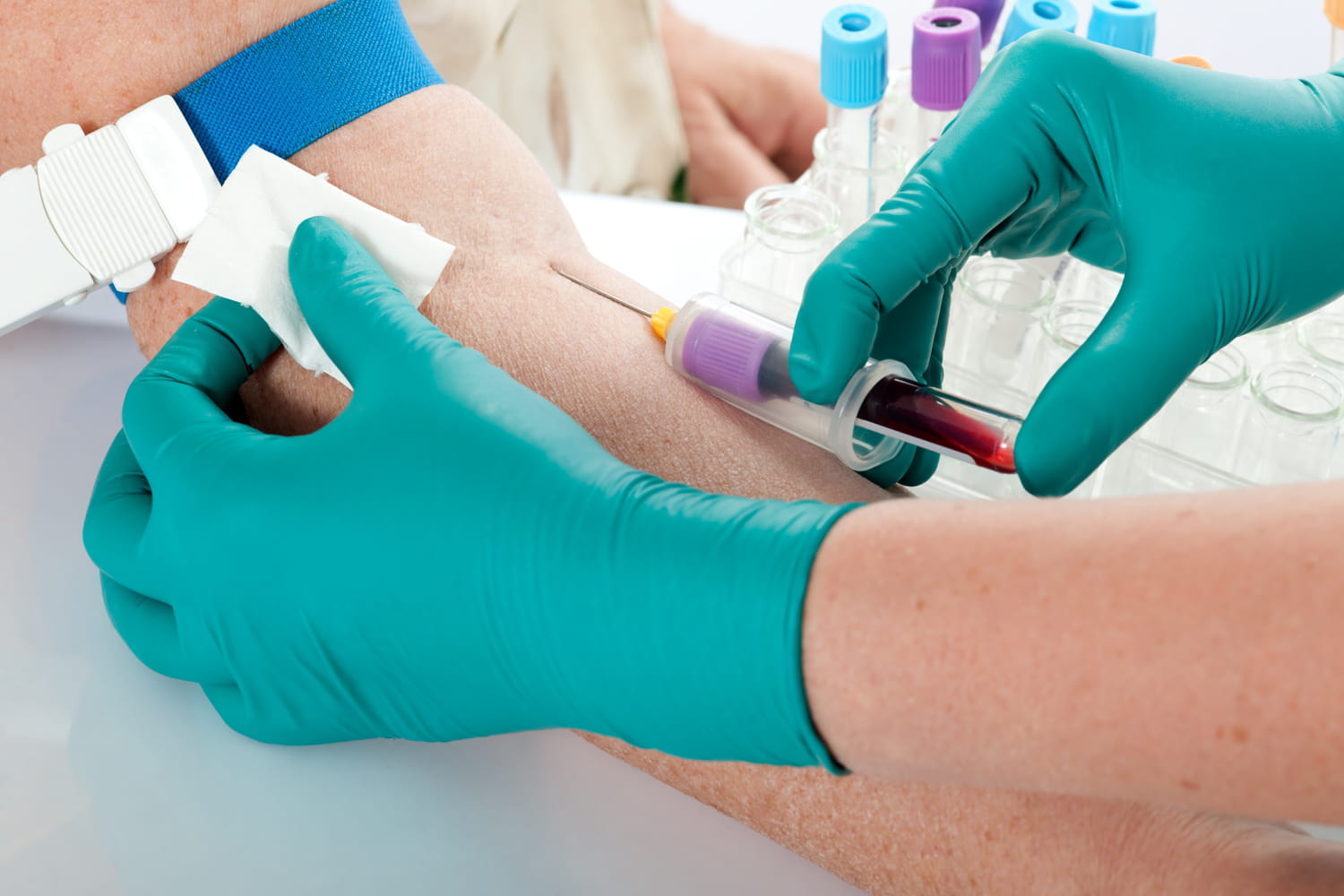
Blood sampling is a key step in medical care. For certain analyses, it must absolutely be carried out after a 12-hour fast. For what ? “The fact of fasting helps to avoid false positive results. For example, we could have an interference in the lipid profile because of chylomicrons, large fat molecules which help promote digestion, since in certain people, they persist in the blood beyond 8 hours. Fasting at 12 hours therefore allows us not to interfere either biologically or analytically” explains biologist Gaël Saintenoy. For what analyzes exactly? Between the duration of food abstinence, the authorization to drink water or coffee or the specificities linked to pregnancy, discover the recommendations of our expert biologist to prepare your sample with complete peace of mind and guarantee optimal reliability of your measurements.
List of analyzes which require fasting for 12 hours
It is recommended to fast for 12 hours for the following analyses:
- Lipid assessment (cholesterol, HDL, LDL, triglycerides)
- Blood sugar and insulin (for calculating the HOMA index)
- Homocysteine
- Bile acids
- ApoA and ApoB
- CLA-30 Allergens
- Serum iron and calcium (recommended to avoid the influence of the last meal)
“On the other hand, there is no longer any need to fast for the dosage of vitamin B12 and folate (vitamin B9). As for iron, more than being fasted, what matters is taking the samples at the same time of the day”comments Gaël Saintenoy.
How long do you have to fast before taking blood?
“Even if it may vary depending on the analyses, it is preferable to fast for 12 hours in order to increase the reliability of the results “, explains the medical biologist.
Can we drink water?
Yes, you can drink plain water before a blood test which is done on an empty stomach. Taking water is not prohibited, for any analysis. It will not distort the results. On the other hand, you should not drink flavored or sugary water. Even if it’s “just a sip”, sugar triggers immediate insulin secretion, which makes blood sugar or lipid analysis unusable. You should also avoid drinking lemon juice diluted in water, this can modify the acidity and interfere with certain dosages.
Can we drink coffee or tea?
No. Fasting means not drinking tea or coffee, even black, without sugar. They contain caffeine or theine which stimulates metabolism and can distort blood sugar, cortisol or blood pressure measurements.
What precautions should you take?
The day before the appointment, you should eat as usual and then drink water in the evening if you are thirsty. Alcohol must be stopped 48 hours before the blood test because it could affect the quality of the serum and thus alter the results. If the vast majority of treatments can be maintained before an analysis, it is better to seek advice from your doctor or your medical analysis laboratory if you have any doubts.
Blood test during pregnancy: should I fast?
The blood test for HCG testing can be done at any time of the day and does not require fasting. As for the blood tests for the first prenatal examination (determination of blood group and Rhesus; search for irregular agglutinins (RAI); screening for syphilis; screening for rubella and toxoplasmosis) as well as those prescribed throughout the pregnancy, there is no need to fast, except for blood sugar and induced hyperglycemia.
After the blood test: when to drink, when to eat?
“You can drink and eat right after the blood test. It’s even recommended to regain your strength,” believes Gaël Saintenoy.
Thanks to Gaël Saintenoy, medical biologist.