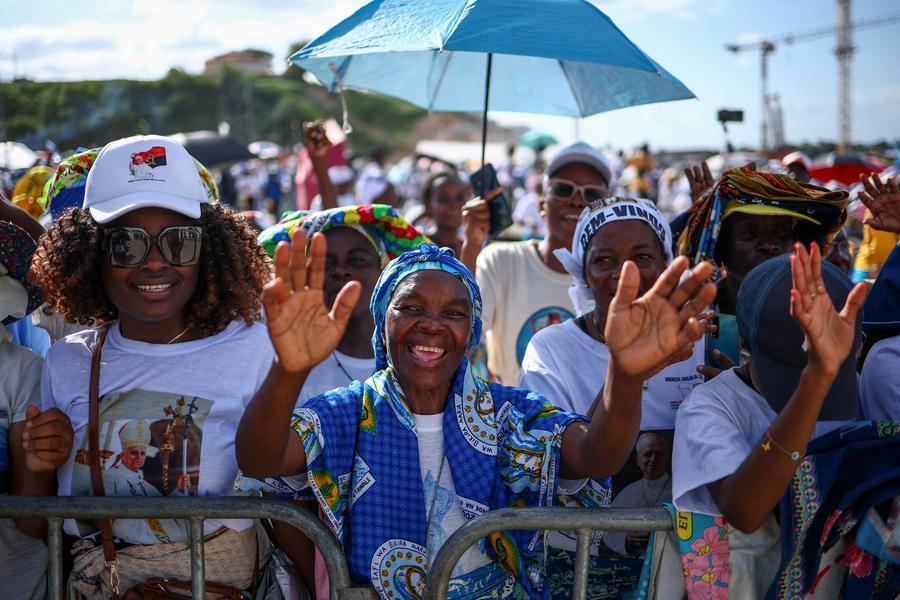




The Angolans, young and adults, who have reached the area of the Sanctuary of Our Lady of Muxima, are a lively people, full of enthusiasm, joy and trust, fervent faith and sincere devotion. they arrived from different parts of the country and camped with tents near the church to participate in the recitation of the rosary for peace with Pope Leo XIV this afternoon, April 19, on the second day of his apostolic visit to Angola.
The Sanctuary of Mamã Muxima, in the province of Bengo, western Angola, dedicated to the Immaculate Conception, in which the Virgin is venerated with the name of Mother of the Heart, as the Angolans call it in the Kimbundu language – Muxima means “heart” -, it can be reached after more than two hours of travel from the capital Luanda.

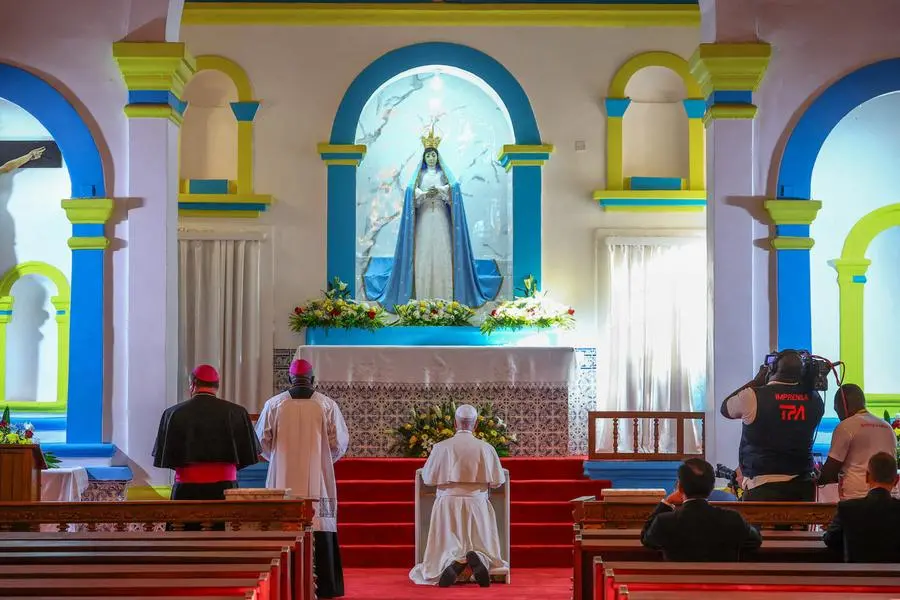
The Pope in prayer in the Church of Our Lady of Muxima.
(REUTERS)
Its history is closely linked to the painful history of the slave trade during the era of Portuguese colonization. The church was built in Portuguese colonial style at the end of the 16th century, in Muxima, on the Kwanza River, one of the most important centers for the slave trade in the country, protected by the fortress. In the sanctuary, men enslaved and sold were baptized before being locked on ships headed overseas.
The church has long been a place of devotion for many Christian pilgrims and was included in the provisional list of UNESCO World Heritage Sites in 1996.
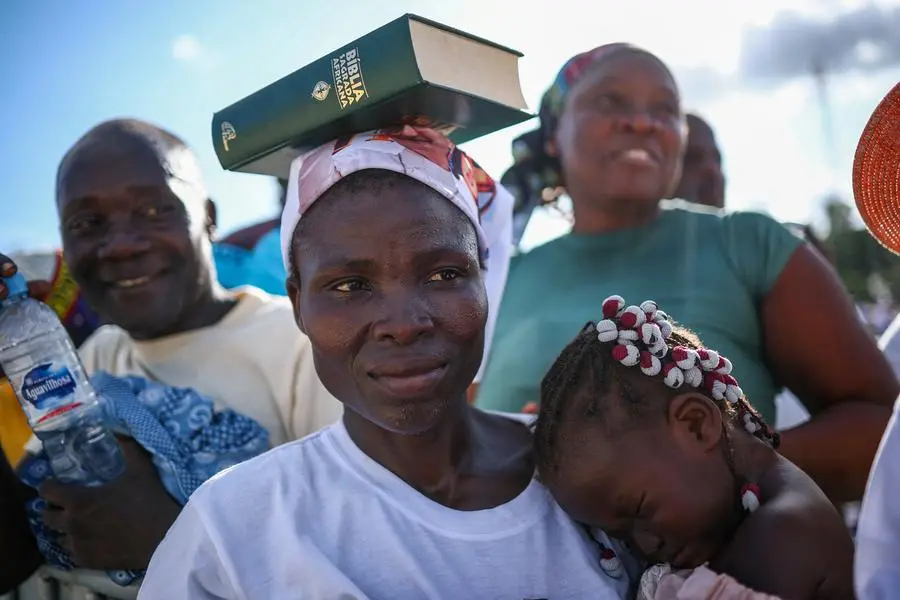
A woman with the Bible on her head waiting for the rosary.
(REUTERS)
The atrocious plague of slavery has marked the history of Angola in a lacerating and profound way: between the 16th and 19th centuries it is estimated that approximately 6 million Angolans were deported to South America. The country, overlooking the Atlantic Ocean, was the largest reservoir of slaves, forced labor, for the New World. Most of the Angolan slaves were deported to Brazil, a Portuguese colony: with just under 5 million human beings imported as slaves from Africa (75% of them from Angola) in the colonial period, Brazil was the last Western country to abolish slavery, with She is golden of 1888.

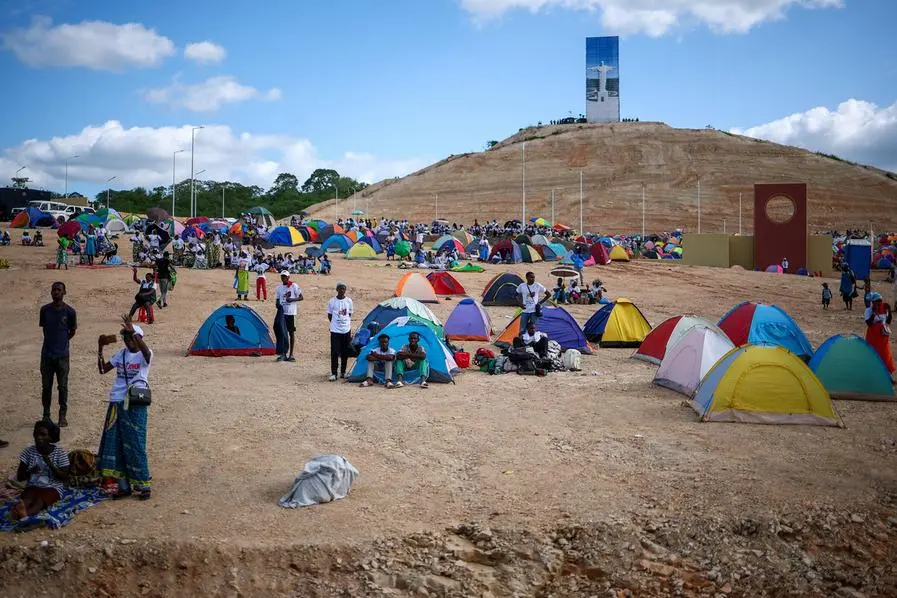
Angolans camped with tents near the sanctuary in Muxima.
(REUTERS)
The Marian sanctuary of Muxima is the one closest to the popular devotion of Angolans. Here the faithful have always flocked to pray for peace and ask for comfort and protection in the darkest periods of the country’s history, in particular during the long civil war that ended in 2002 which tore Angola apart leaving deep wounds not yet completely healed.
At the end of the rosary, Pope Leo in his final reflection recalled that this sanctuary «it was spontaneously renamed the “sanctuary of the Mother of the Heart” by the faithful. It is a beautiful title, which makes us think of Mary’s heart, a clear and wise heart, capable of preserving and meditating on the extraordinary events of the life of the Son of God”. Reciting the rosary, added Leone, “commits us to love every person with a maternal heart, in a concrete and generous way, and to spend ourselves for the good of one another, especially the poorest. A mother loves her children, all different from each other, all in the same way and with all her heart.”
The Pope also recalled that this is underway in this place a project for the construction of a new sanctuary that can accommodate all those who come on pilgrimage, especially young people, to whom the Virgin entrusts the task of «building a better, welcoming world, where there are no more wars, no injustices, no misery, no dishonesty. And where the principles of the Gospel increasingly inspire and shape hearts, structures and programs, for the good of all.”
After the rosary, the Pope returned to Luanda. He will leave Angola on the morning of April 21, to reach Equatorial Guinea, the fourth and final destination of his apostolic journey on the African continent.