Two nations anxiously waiting to support their national teams this evening: France, to reach the third world final in a row, and Spain, European champion at Euro 2024. However, there is a town in French territory that will support the Red Furies.
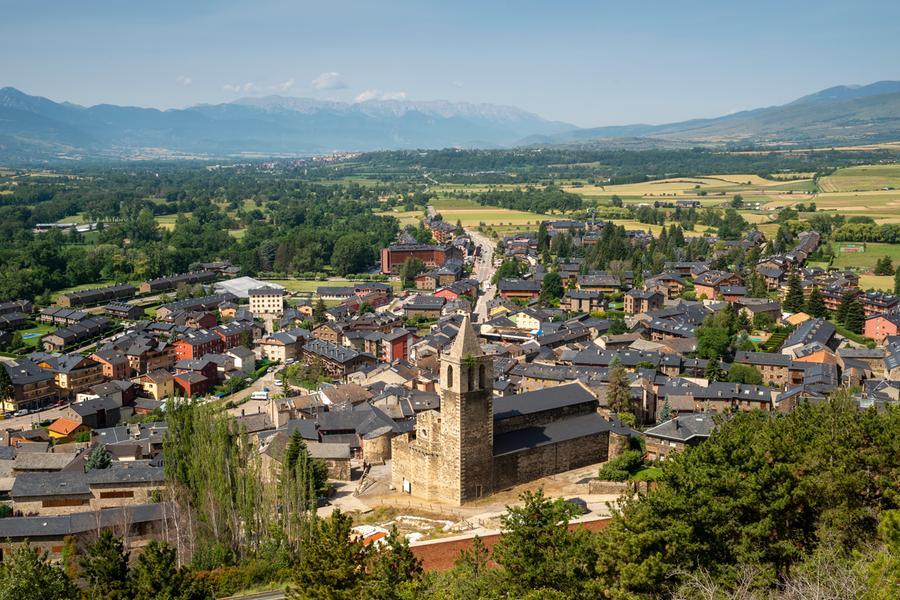
This is Llívia, a small piece of Spain in French territorywith an incredible story. The city has just over 1,500 inhabitants, belongs to Catalonia and is located in the ancient region of Cerdagna, just above the Spanish extreme north.
In 1659, with the Treaty of the Pyrenees, France annexed 33 villages in Cerdagne, but Llívia remained Spanish. The reason? A diplomatic quibble. In fact, Charles V, in 1528, granted Llívia the status of a city, distinguishing it from other villages. When the French claimed the area, the Spanish pointed out that as a city, Llívia could not be considered part of the Treaty of the Pyrenees agreement, as this only covered towns and villages. The treaty was finally ratified in 1660, and as a quid pro quo in favor of the French, the Spanish could not fortify Llívia.

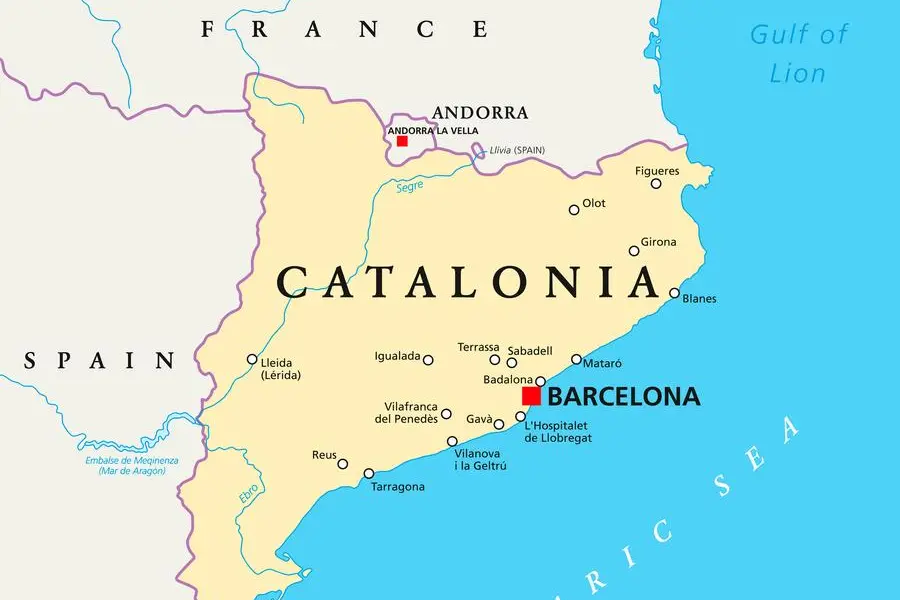
To connect the city with the motherland there is the Neutral Routesan international road historically without fixed customs jurisdiction. This characteristic led to heated clashes and debates between the blues gendarmerie and the Spanish civil guard over who should handle any incidents. The situation was partly resolved with the creation of the European Union and the free movement of Schengen.
In Llívia dualism is experienced every day, not just in history books. Three languages are spoken in the city – Castilian, Catalan and French – and the inhabitants pay taxes in Madrid, send their children to school following Spanish programs, but for hospitalization they have to cross the border and reach the hospital in Puigcerdà, in French territory. Furthermore, many residents live in Llívia but work across the border as daily commuters, crossing every morning that same invisible border that decided the city’s fate in the seventeenth century. A suspended identity, in short, which can also be read in the streets of the historic centre, where the double signs coexist naturallyand in the houses of gray granite and slate roofs, typical of the Pyrenees, which do not belong entirely to either France or Spain.
Here then is the paradox of Llívia: French on the map, Spanish in the soul. A town that has lived with two states, two languages, two systems for over three hundred and fifty years – but which this evening, for ninety more minutes, will have no doubt about who to support. While France dreams of its third consecutive world final, among the stone and slate streets of this strip of Spain nestled in the French Pyrenees, the heart will beat for the Red Furies.