






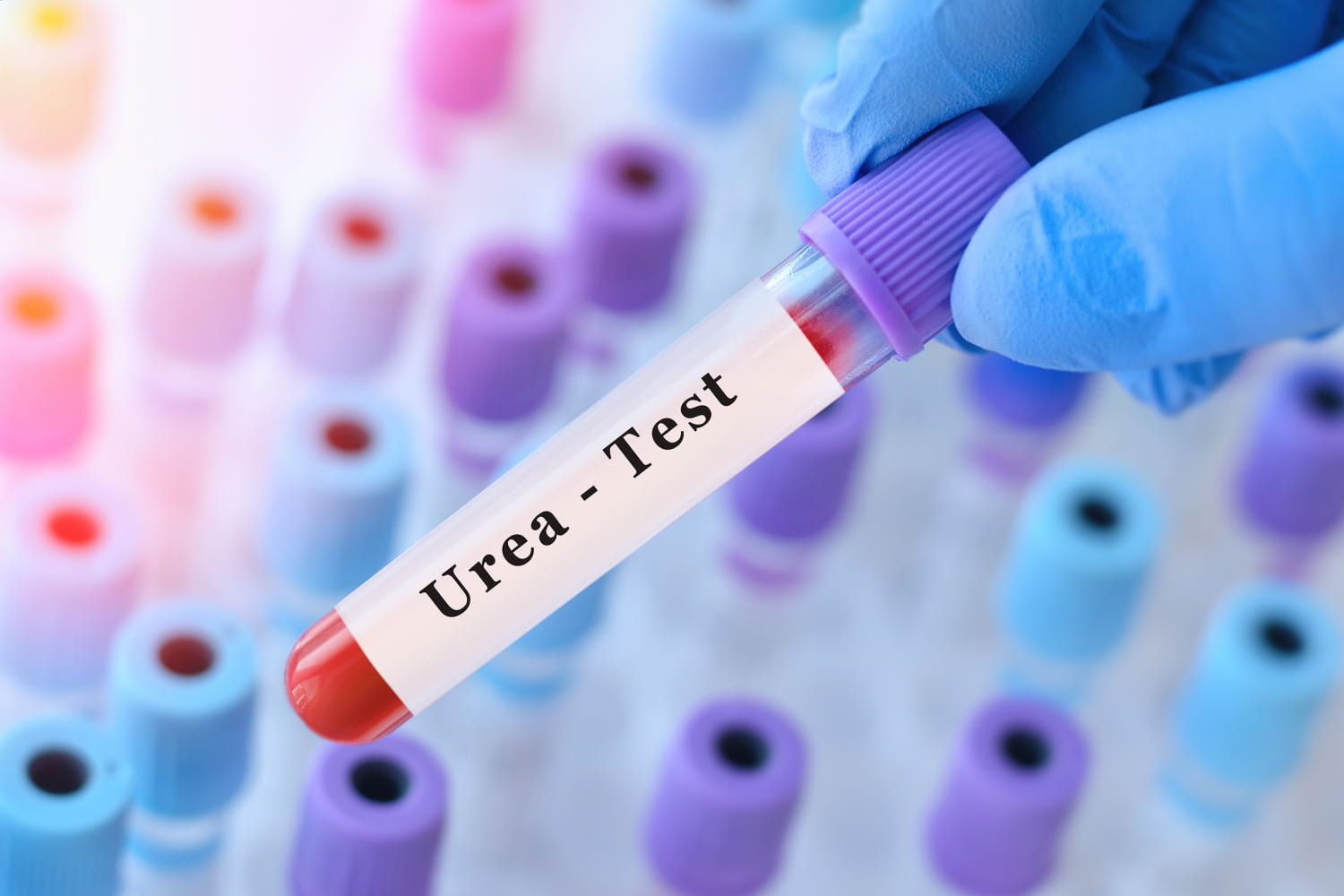
Urea is a nitrogen molecule that comes from the breakdown of proteins by the liver. Filtered by the kidneys, urea is then eliminated through the urine.
Often prescribed during a routine blood test, the urea dosage is a key indicator for assessing the proper functioning of our natural “sewage treatment plant”: the kidneys. Although this waste product from protein digestion is completely normal, its concentration in the blood or urine can reveal valuable information about general health (dehydration, excess protein, kidney or heart failure, etc.). From defining standards to advice on preserving your vital organs, here is everything you need to know to understand your analyses, with the validation of Dr. François Blanchecotte, biologist.
Definition: what is urea?
Urea is a nitrogen molecule resulting from the breakdown of proteins by the liver. During digestion, proteins are broken down, releasing ammonia. The liver then transforms this toxic substance into urea, a harmless waste intended to be evacuated through urine. If the kidneys filter poorly, urea accumulates in the blood instead of being eliminated. A blood test (uremia) coupled with a urine test (performed over 24 hours) allows the doctor to identify kidney or liver dysfunction.
What is uremia?
Uremia is the medical term used to describe the amount of urea contained in the blood. Abnormally high uremia is a sign that the kidneys are no longer able to properly filter waste from the body. This increase is completely silent (without symptoms) at first. Its dosage is the only way to detect early kidney failure or dehydration before the appearance of complications.
What are the standards for urea?
The reference values may vary slightly depending on the laboratory, but the averages generally observed are:
- In the blood (Ureemia): Men: 3.0 to 7.5 mmol/l (i.e. 0.18 to 0.45 g/l). Women: 2.5 to 7.0 mmol/l (i.e. 0.15 to 0.42 g/l).
- In the urine (24-hour ureuria): 250 to 580 mmol/24 hours (i.e. 15 to 35 g/24 hours).
To assess kidney function, biologists calculate the ratio between urea in urine and urea in blood. If it is less than 10, this suggests that the kidneys are no longer able to concentrate waste properly, which may raise the suspicion of kidney failure. Uremia standards naturally increase with age: after age 60, a level slightly above 7.5 mmol/l is often considered normal by doctors. The urine urea/blood urea ratio (U/P ratio) is a valuable indicator, but today it is almost systematically interpreted in parallel with creatinine clearance.
What does a high urea level mean?
The urea level can increase significantly in several cases:
- in the elderly (from 60 years old),
- during prolonged efforts,
- during a high protein diet
- in case of heart failure,
- during dehydration,
- after surgery.
The increase in urea levels can be a marker of metabolic syndrome (overweight, cholesterol, hypertension). High uremia should lead to the search for associated risk pathologies. A high level of urea in the blood is often asymptomatic but when it is discovered, it should prompt you to consult a doctor.
What does low urea mean?
Unlike hyperuremia, a drop in urea levels (hypouremia) is often considered less alarming, but it still deserves special attention. The main situations where uremia decreases are: pregnancy, during childhood, during prolonged fasting, malnutrition or a very low protein diet, liver failure. Low urea does not cause specific symptoms. When this decrease is isolated, without abnormal liver tests or signs of malnutrition, it is rarely a sign of a serious illness.
Thanks to Dr François Blanchecotte, biologist, for his validation.