





As temperatures rise, most drivers mistakenly think that their vehicle is out of the woods once the snow melts. However, an invisible threat persists after the cold and can cause irreversible damage requiring costly repairs.
When the weather calms down and the thermometer finally rises, the majority of motorists breathe a sigh of relief, thinking that the hardest part is behind them: no more wheel slipping, traffic jams and other inconveniences that accompany a snowy episode. We tend to believe that road dangers disappear at the same time as ice and snowflakes. However, it is precisely during the warm weather that our vehicles run the greatest risk of technical failure. Because a process of accelerated wear continues to act if we do not intervene quickly.
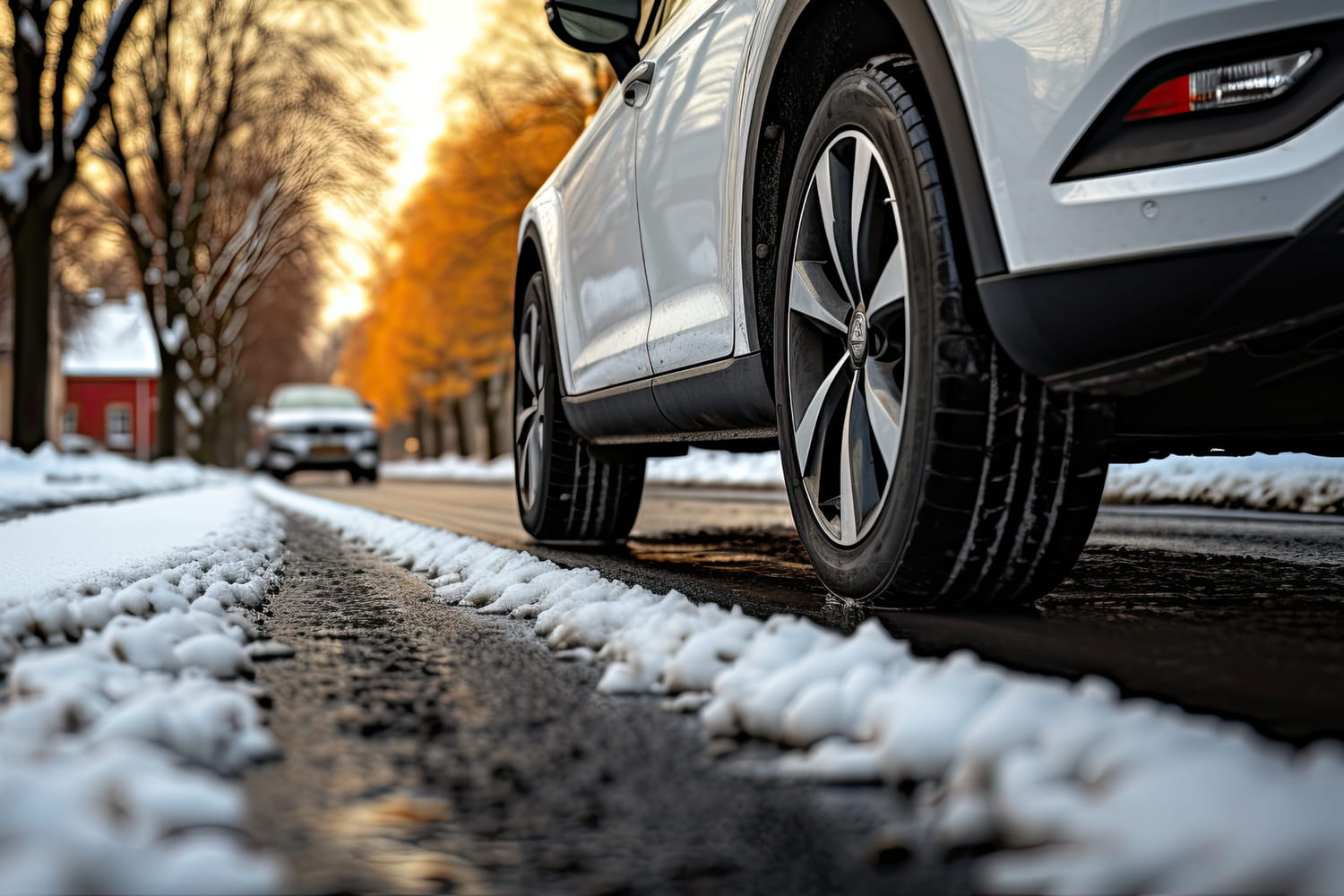
During episodes of extreme cold and snowfall, road services are forced to massively treat the roads: salt is then scattered all over the roads to prevent the formation of ice and guarantee the grip of tires on the bitumen. And if this gesture is obviously vital at the moment, it turns into a real enemy for the mechanics and the bodywork once the snow disappears. Cars are not only dirty, they risk getting damaged if we don’t act quickly. While driving, the wheels sprayed salt deposits all over the body and under the vehicle, creating a formidable cocktail for the metal parts and chassis components.
Road salt is a particularly corrosive agent which, in contact with humidity and metals, promotes the formation of rust. It attacks varnishes and weakens structures, without this being immediately visible to the naked eye. The only solution? Wash your car as soon as possible after a snowy episode, to remove any remaining traces. It’s not enough to just give it a quick wash of water for aesthetics: you have to put heavy emphasis on strategic areas, namely the wheel arches, shock absorbers, rims, rocker panels, underbody, exhaust, or even certain parts of the braking system. It is these lower parts which receive all the projections and which are the first victims of rust if they are not rinsed thoroughly. And it is precisely during the warm weather that the salt becomes even more powerful, because it dissolves more easily than in freezing temperatures, further accelerating its corrosive action on the chassis.
Ignoring this crucial maintenance step can cause damage, turning simple negligence into a very hefty repair bill in the medium term. Rust, once installed on structural elements, can even pose a problem during technical inspection. Spending a few minutes on this meticulous cleaning now is therefore the best investment to guarantee the longevity of your automobile and preserve your wallet.