




A recent study shows that men experience the loss of their life partner more negatively than women. The first year is the most critical.
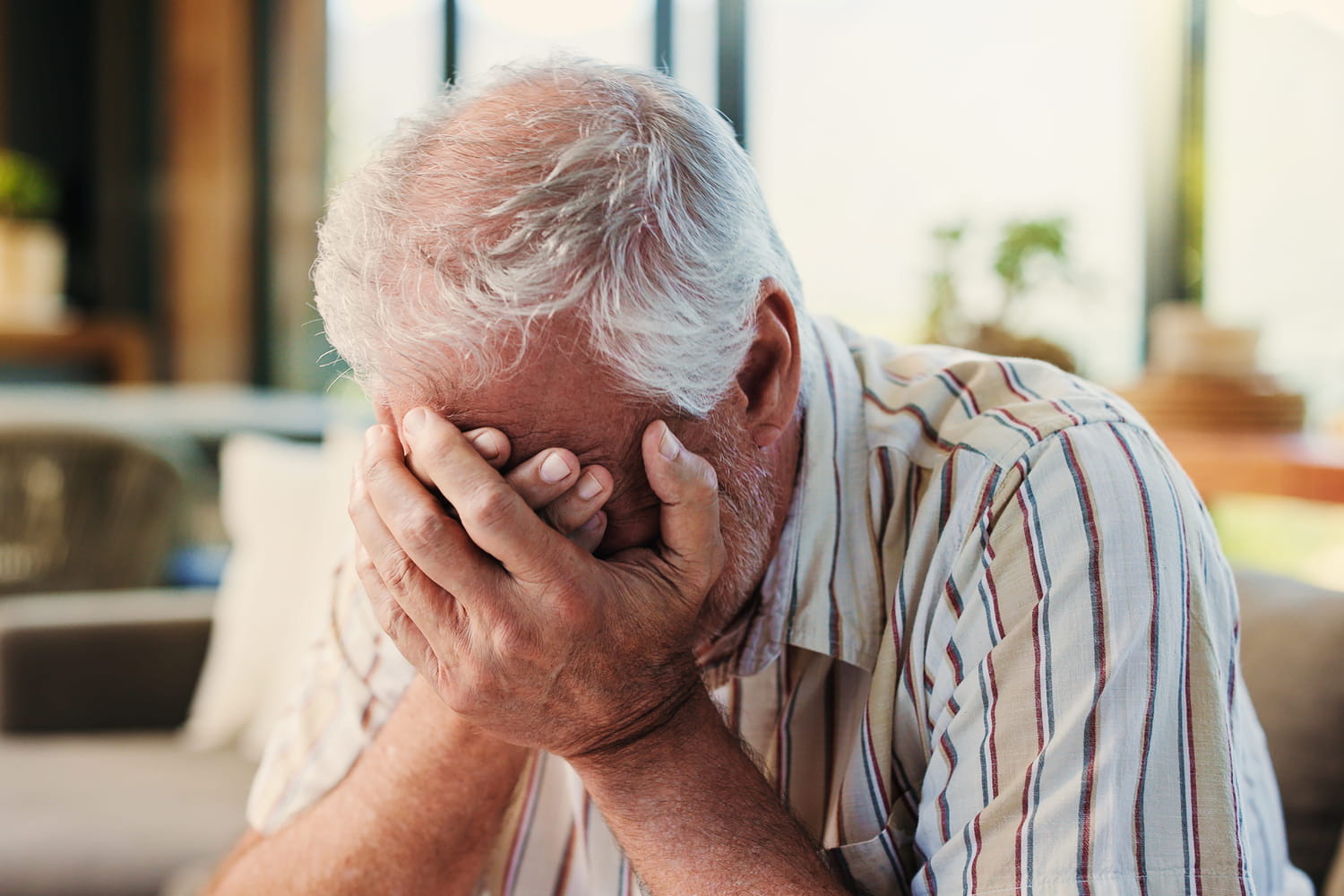
Losing your life partner leaves no one unscathed. It is an emotionally taxing and extremely stressful ordeal. But behind this universal stage, a lesser known reality emerges: men seem more vulnerable than women after widowhood. This is what highlights a study published in the Journal of Affective Disorders, conducted among nearly 26,000 Japanese aged 65 and over, including 1,000 who were widowed.
In the months following the death of a spouse, men present more depressive symptoms, a greater feeling of hopelessness and a significant drop in their well-being. Their physical health is also more at risk, with an increased risk of cognitive disorders such as dementia, as well as higher mortality. The peak of vulnerability is in the first year after death, then the effects gradually diminish. A paradox emerges from the results: men generally become more socially active after bereavement, but their emotional support decreases. In other words, they increase their interactions without benefiting from sufficiently strong relationships to help them get through this period.
Conversely, women seem to adapt better to widowhood over time. There is a drop in their morale in the short term but it is limited in time. “Widowed women report increased happiness and life satisfaction” note the authors. The study does not show an increase in depressive symptoms among them. Better yet, they often report an improvement in their life satisfaction and well-being over the years. Some also adopt behaviors more favorable to their health, such as more regular participation in screenings, even if a tendency towards a sedentary lifestyle is observed.
How can these differences be explained? Researchers are putting forward several avenues. Men rely more on their partners for daily organization and emotional support. They then find themselves more isolated when they disappear. They also seem to have fewer independent social contacts, that is to say without them. Women generally have more developed and solid social ties, they maintain more family and friendly ties. Social norms also play a role: many men have learned to contain their emotions, which can make it difficult to seek help.
In conclusion, the researchers summarize by estimating that men show themselves “more vulnerable to adverse consequences (of death), while women demonstrate resilience”. These results confirm those of other international studies and recall a key point: social ties remain a determining factor in better coping with bereavement. Being surrounded, being able to talk and maintaining regular relationships can mitigate its effects, particularly in men, who are more exposed to the risk of isolation.