






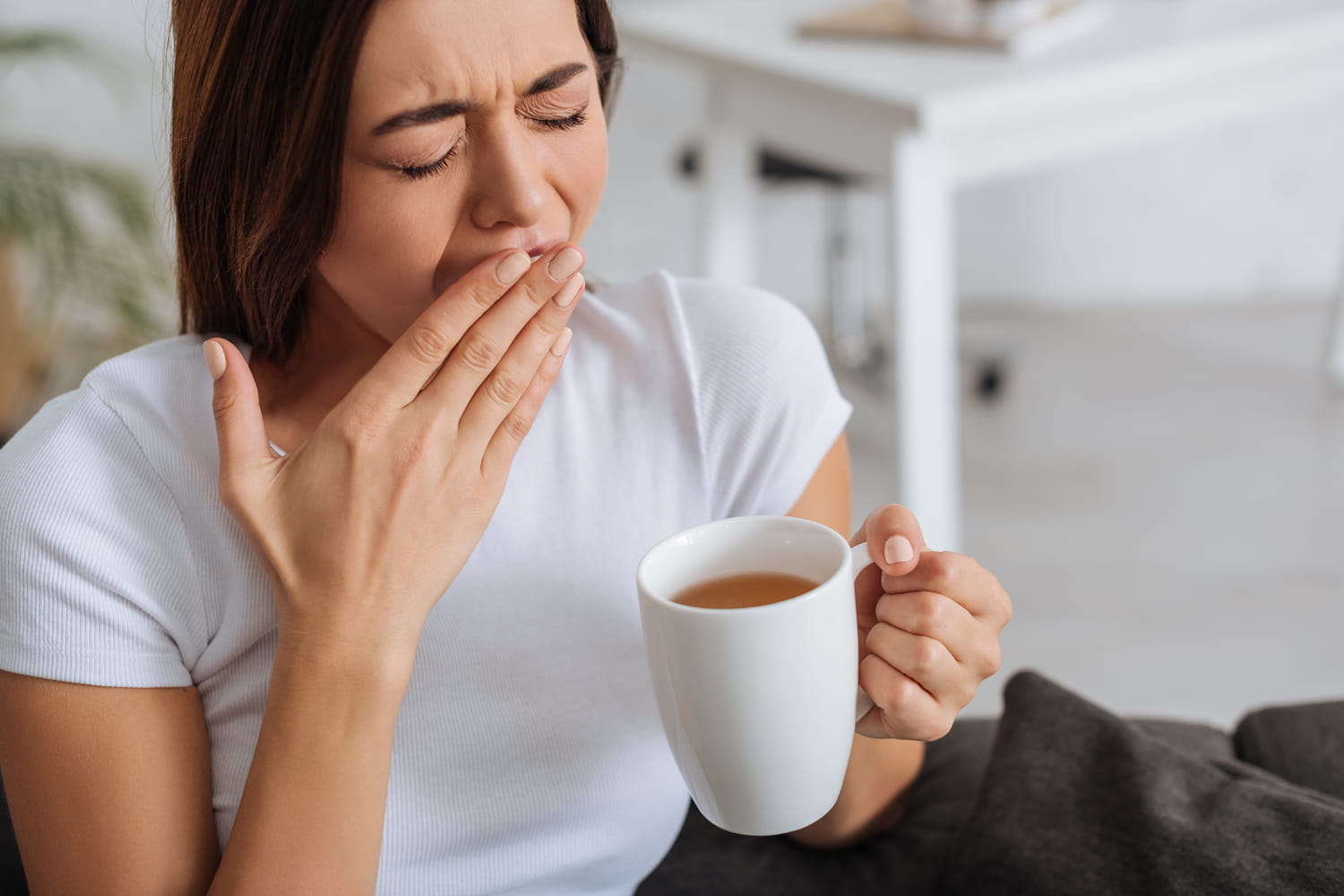
Behind chronic fatigue there is often an unsuspected hormonal imbalance. A mechanism that an adaptogenic plant would be able to correct naturally.
Do you feel persistent exhaustion despite getting enough sleep? You may be suffering from chronic fatigue. Over time, this fatigue leads to difficulty concentrating, irritability, a loss of vitality, and ultimately affects morale. Faced with this observation, we asked naturopath, reflexologist and relaxologist certified in herbal medicine, Juliana Rangin to give us the anti-fatigue plant that can really give us a boost. A plant particularly appreciated in March which is a particularly tiring month.
This plant or rather the root of this plant belongs to the category of “adaptogens”. These are plants capable of helping the body to better respond to everyday attacks, whether physical or psychological.“The plant will manage a whole range of aspects: it will improve physical recovery, endurance and concentration. And eIt really increases energy.”assures Juliana Rangin, certified in herbal medicine, with the Médoucine network. It also acts on cortisol, the stress hormone. “At the end of the day, when we have excess cortisol, it can disrupt the production of melatonin and interfere with sleep.” This hormonal rebalancing in turn improves the quality of nighttime rest, “but it will not have a role as a sleeping pill”nuance the specialist.
The plant in question? Red ginseng. “It is a medicinal plant mainly used in Korea and China”explains Juliana Rangin, but which can be found very easily in France. How does it differ from classic white ginseng? The preparation method: “Red ginseng is obtained by steaming fresh roots.” This process intensifies the concentration of active ingredients, notably ginsenosides, the molecules to which its therapeutic effects are attributed. Available in capsules, tablets, powder or dried root for infusion, red ginseng is suitable for people who “suffer from chronic fatigue, overwork, reduced vitality, or even during periods of convalescence.”
Red ginseng is best taken in the morning, “to avoid energy bursts in the evening”. The expert advises us to take it in the form of food supplements in capsules (available in drugstores) or in dried root to prepare as an infusion (available in herbalists). In capsule or powder, the recommended dose is “between 200 mg and 400 mg per day, for one to three doses”. Needs vary depending on the profile: one daily capsule is sufficient for seniors, while athletes or very tired people “can go up to 3 capsules per day (1,500 mg), but this is the maximum for one person.” As an infusion of dried root, “you should not exceed 2 g per day.”
Red ginseng cannot be taken just any way: “You have to be careful”insists the specialist. If we exceed the recommended doses, it can cause digestive disorders, headaches, insomnia or even palpitations. Red ginseng does not replace medical treatment, and is also contraindicated in cases of severe high blood pressure, diabetes, asthma, “in people on anticoagulant treatment, children under 18 years of age and pregnant and breastfeeding women”. Although it can be a real ally in regaining energy and vitality, it is always better to contact a professional (naturopath, herbalist, pharmacist, phytotherapist, practitioner or doctor trained in phytotherapy), in agreement with the attending physician, to take it according to your specific needs. “You should not help yourself”finally advises our interlocutor.