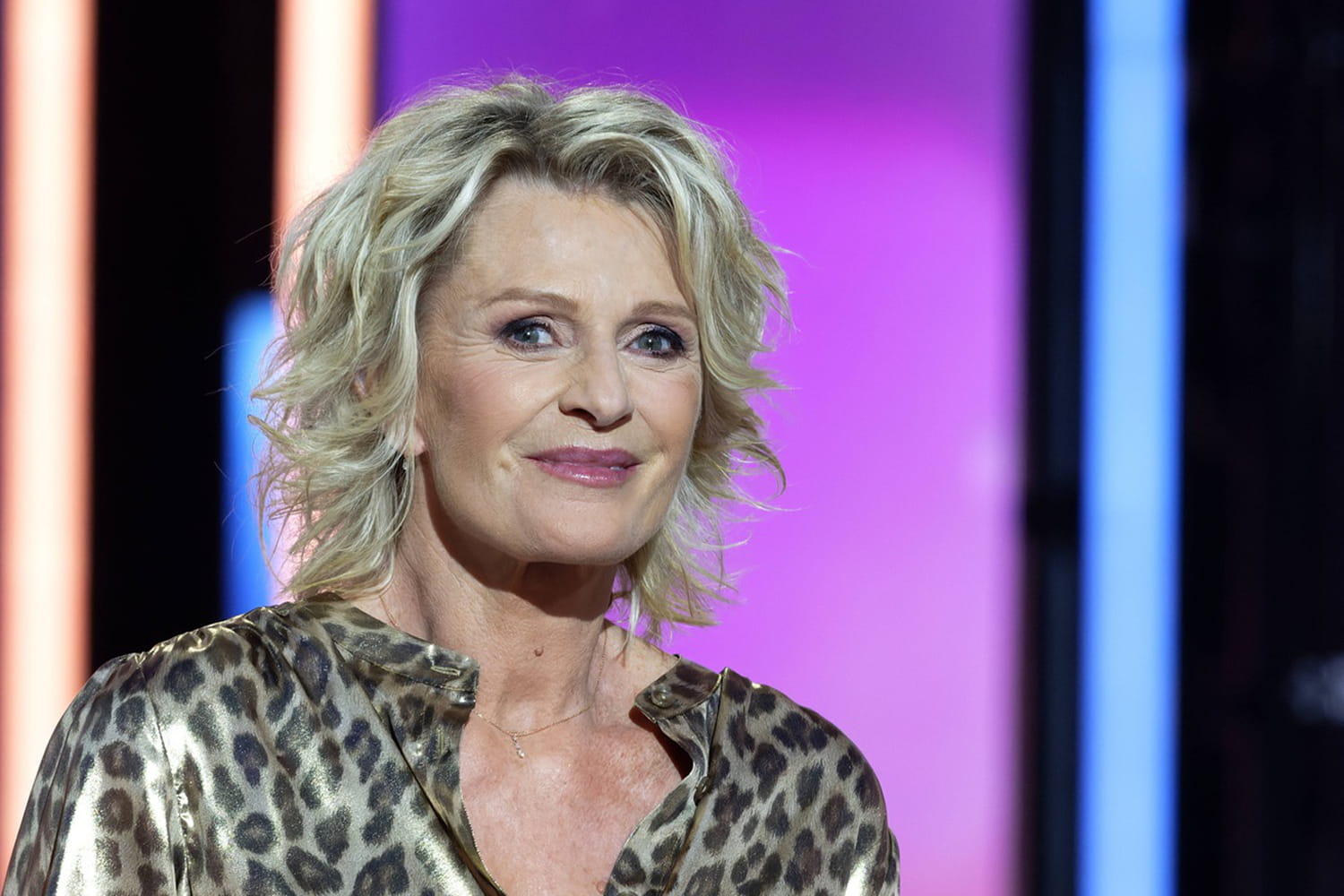





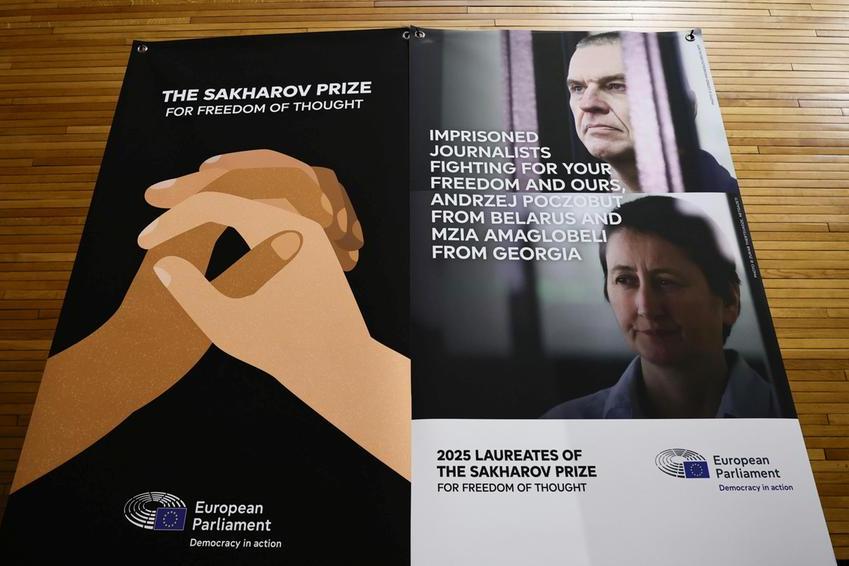
The 2025 edition of the highest honor for human rights awarded by the European Union, the Sakharov Prize, named after the famous Soviet dissident, the Nobel Peace Prize was awarded to her, the 50-year-old Georgian journalist Mzia Amaghlobeli, shared with the Belarusian Andrzej Poczobut, also a journalist and correspondent of the Polish newspaper Gazeta Wyborcza. Both are locked up in prison, one in Georgia, the other in Belarus.
Co-founder of the independent investigative newspaper Batumelebi and the independent news agency Netgazeti, Amaghlobeli was arrested twice during protests that began in October 2024 – after highly contested elections which reconfirmed the pro-Russian Georgian Dream party in power.
Last August the journalist was sentenced to two years in prison for having slapped the local police chief during the peaceful demonstration against the government which took place in January. As reported Amnesty internationalciting the reconstruction of Denis Krivosheevdeputy director for Eastern Europe and Central Asia of the NGO committed to the defense of human rights in the world: «Mzia Amaghlobeli suffered a long series of violence at the hands of the police: she was verbally attacked, spat on, injured and deprived of medical assistance. The police officers themselves admitted all this during the trial, yet impunity prevailed.” Amnesty International denounces that the judicial proceedings were marked by procedural violations and bias and calls for a fair trial for the journalist.
The non-governmental organization Transparency International, which deals with corruption, has branded the trial against Amaghlobeli as unconstitutional and illegal. In prison, the journalist’s health conditions deteriorated significantly. Amaghlobeli is the first female political prisoner in Georgia since the Soviet Union collapsed and the country gained independence. And she is the first female journalist designated as a prisoner of conscience. With her arrest, the Georgian authorities sought to repress freedom of expression. His case highlights how Georgia is increasingly trying to muzzle the press and silence dissent.
But the Mzia Amaghlobeli affair brought thousands of Georgians to the streets last October to ask for his release, has aroused the attention and concern of the international community and many organizations. The journalist has become the symbol of the battle in Georgia for democracy and freedom and the most representative figure of a vast opposition movement to government policies marked by illiberal positions that raise fears of a dangerous authoritarian drift, alignment with Moscow’s policies and undermine the process towards Georgia’s accession to the European Union. On 28 November 2024, Prime Minister Irak’li K’obakhidze announced the halt to negotiations for EU membership until at least 2028.