






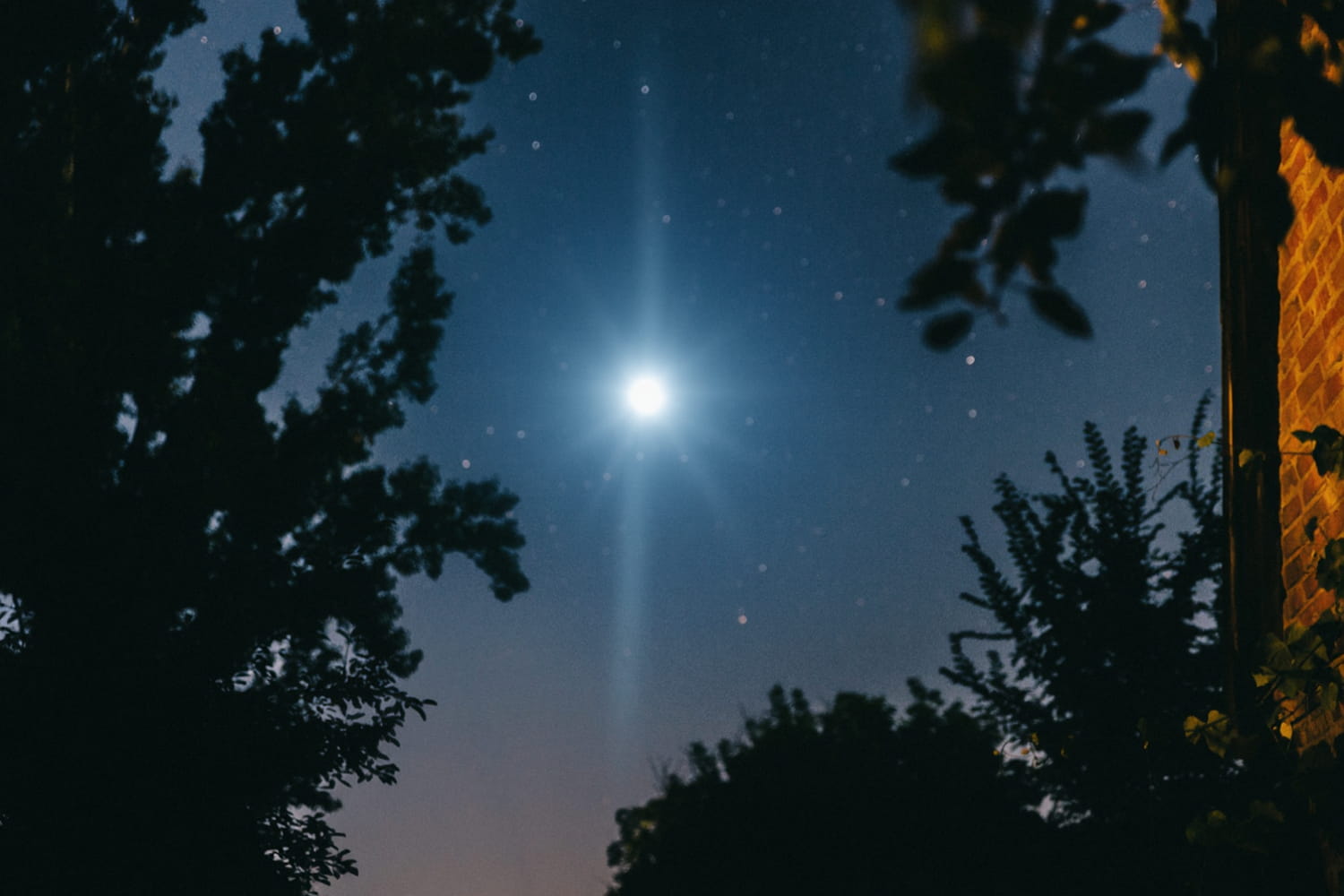
In the immensity of space, certain stars are true anomalies of nature: scientists call them “superluminous supernovas”.
Why does one star shine brighter than the others? This enigma has kept the scientific community in suspense for almost 20 years. Thanks to data from an ultra-powerful telescope, NASA has finally identified the “secret” behind the brightest star explosions in the Universe, as astronomy enthusiasts prepare to watch for the Arietids, a mysterious shower of shooting stars that cross our sky in broad daylight. This fascinating NASA discovery teaches us more about the extreme forces of the cosmos.
A star reaches its peak of maximum brightness when it dies. But not all stars die the same way. If the Sun (which is the best-known star) will one day slowly fade away, other giant stars end their lives in a final and gigantic fireworks display called a “supernova”. And among these explosions, some are real anomalies of nature: scientists call them “superluminous supernovas”. Rare and fascinating, they shine at least 10 times brighter than ordinary explosions, without anyone understanding why.
To try to unravel this mystery, an international team of NASA researchers delved into 16 years of data. For a long time, astronomers believed that these giant explosions hid a black hole. In reality, it is a magnetar: the heart of a dead star which becomes a giant magnet, 10,000 billion times more powerful than those of a refrigerator, for example. When the star dies, this magnet begins to rotate at crazy speed (several hundred revolutions per second). This super-fast rotation creates a giant energy storm, like a cosmic dynamo, which makes the explosion glow much brighter than usual.
This is particularly the case of the star SN 2017egm, the closest superluminous supernova ever observed (440 million light years away), which made it possible to unlock this secret. Another of these queens of light, ASASSN-15lh, had left its mark by shining twice as brightly as all the stars in our galaxy combined. Astronomers today keep their eyes on WOH G64. This colossal, still-living star is currently showing previously unseen signs of instability that suggest it could be next in line to put on such a spectacle.
Beyond the scientific prowess, this discovery published in the prestigious journal Astronomy & Astrophysics reminds us to the extent to which the Universe contains invisible and almost magical forces. For astronomers, it is also the opening of a new era: by finally understanding the mechanism of these monsters of light, they will be able to track other similar phenomena in the deep sky using new generation telescopes.