




Newly Unsealed Epstein Files Introduce a Claim About Vladimir Putin — and Raise New Questions
The change didn’t come from a charge or a ruling. It came from a document becoming public.
A newly unsealed batch of Justice Department records includes testimony from an FBI confidential human source that makes a striking claim about Jeffrey Epstein’s financial dealings. The allegation does not involve Epstein’s sex crimes. It concerns money, offshore structures, and a claim that reaches beyond Epstein himself.
The testimony, recorded in 2017 and unsealed as part of the latest Epstein file release, alleges that Epstein acted as a wealth manager for Russian President Vladimir Putin, as well as former Zimbabwean president Robert Mugabe. The claim has not been substantiated by prosecutors, and no charges have been filed in connection with it. But its release changes the terrain around the Epstein files at a moment when scrutiny is already intensifying.
Nothing in the documents establishes wrongdoing by Putin. Nothing confirms the allegation. What changed is that the claim is now visible, attributable, and part of the public record.
That matters before any determination is made.
The testimony came from a confidential human source with an established relationship with the FBI. According to the record, the source described Epstein’s business model as charging clients fees to move and conceal assets offshore. The testimony was taken nearly two years ago Epstein’s 2019 arrest on federal sex trafficking charges.
The document is explicit about what it is — an allegation relayed to investigators — and what it is not. It does not link the claim to Epstein’s criminal case. It does not describe transactions, accounts, or dates. It does not assert that US authorities verified the information.
Still, its inclusion in the unsealed files introduces a new kind of pressure.
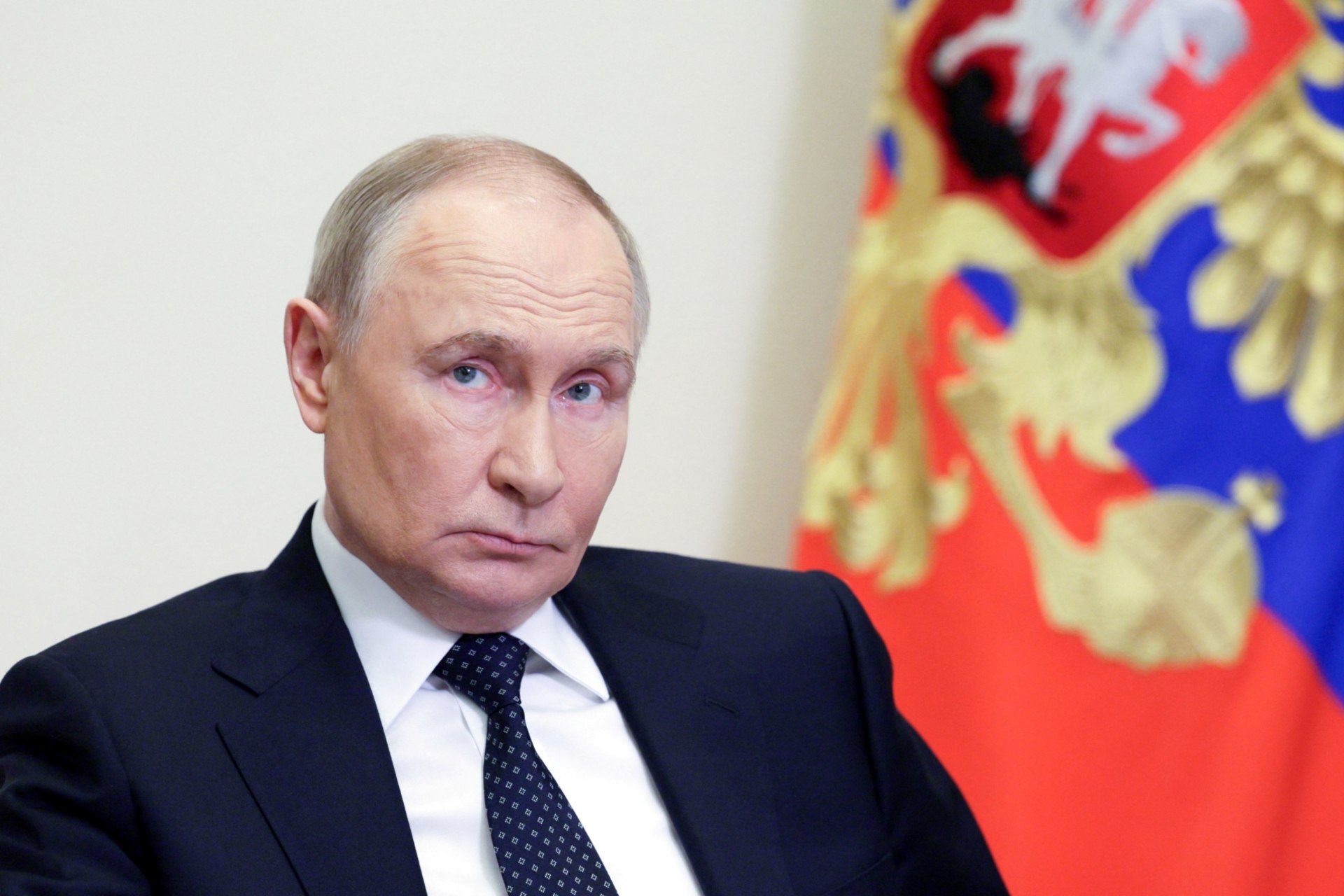
Jeffrey Epstein; Vladimir Putin.
For years, the Epstein story has revolved around access — who knew him, who visited him, who communicated with him, and when. This disclosure shifts attention toward financial networks, offshore mechanisms, and the question of how Epstein’s wealth management role intersected with powerful political figures.
The timing amplifies that shift. The Justice Department’s release of millions of Epstein-related records has already reopened scrutiny of institutions, individuals, and investigative decisions that once seemed settled. Each new tranche adds information without resolving the broader picture.
This allegation widens the circle of uncertainty.
Putin’s personal finances are famously opaque. Official disclosures portray a modest salary and limited assets. For years, outside observers and investigators have speculated about hidden wealth, but documentation has been scarce and claims contested. The newly unsealed testimony does not prove anything new — but it places Epstein’s name inside that unresolved conversation.
That placement alone has consequences.
The pressure now is not legal but informational. Once a claim appears in official records, it becomes harder to ignore, harder to contextualize quietly, and harder to separate from the broader narrative surrounding Epstein’s financial activities.
Silence carries weight in that environment.
The Kremlin has not confirmed the allegation. US authorities have not endorsed it. But the absence of resolution leaves institutions, journalists, and investigators navigating uncertainty rather than closure.
The disclosure also complicates how the Epstein files are being interpreted. Some documents relate directly to criminal conduct. Others reflect unverified tips, intelligence leads, or investigative dead ends. The release collapses those distinctions in the public eye, even when they remain meaningful legally.
That compression creates risk.
When allegations sit alongside proven facts without hierarchy, pressure builds on agencies to clarify what they knew, what they pursued, and what they dismissed. It also increases the likelihood that foreign governments, courts, or investigative bodies may revisit old questions under new visibility.
This is especially true where intelligence sources are involved. Confidential human source testimony is not evidence in itself. But its presence in official files signals that investigators considered the information relevant enough to record.
That alone invites follow-up.
The Epstein case has long resisted clean boundaries. His role as a financier blurred into social access, political proximity, and international movements. The newly unsealed testimony reinforces that ambiguity rather than resolving it.
It also intersects with another unresolved question: how Epstein amassed and maintained his wealth.
At the time of his death, filings estimated Epstein’s net worth at hundreds of millions of dollars, with properties across the United States, Europe, and the Caribbean. Public explanations of his income streams have remained incomplete. The allegation that he charged fees to conceal offshore assets aligns with long-standing speculation, without confirming it.
That alignment is where pressure accumulates.
Not because the claim has been proven — it hasn’t — but because its release reopens inquiry into Epstein’s financial architecture at a moment when public tolerance for unanswered questions is thin.
The documents do not accuse Putin of a crime. They do not suggest US prosecutors pursued the claim. But they ensure the allegation cannot be quietly forgotten.
For investigators, the challenge is triage. Millions of pages create noise alongside signal. Each disclosure forces make decisions about what deserves renewed attention and what does not.
For the public, the distinction is harder to parse.
What remains unresolved is whether this testimony will prompt further inquiry, clarification, or dismissal. For now, it sits in the record, neither validated nor withdrawn.
That limbo is the story.
The Epstein files are no longer just about past crimes or past failures. They are about how institutions handle information once secrecy lifts and ambiguity becomes visible.
Nothing has been decided. No finding has been made. But the release has changed the context in which silence, denial, or delay now operates.
The system is still moving. The pressure has shifted. And the questions introduced by this disclosure remain open, waiting for someone to decide whether they go any further.