




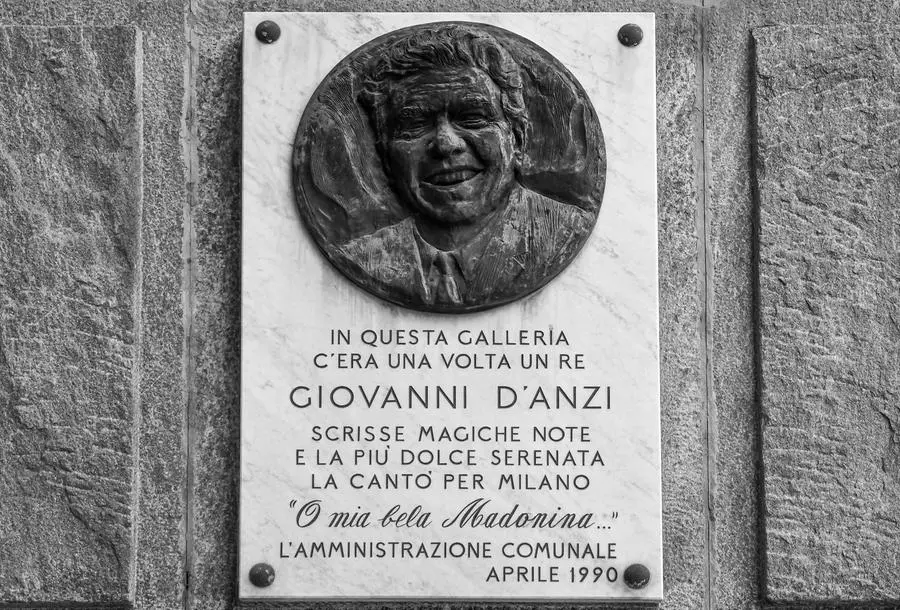
It may seem like a paradox but O my beautiful Maduninathe symbolic song of Milan was composed, despite its title, for absolutely secular reasons. More: for revenge. We are in the autumn of 1935 and Neapolitan popular culture is depopulating in the shadow of the Duomo. At the Trianon, a café-concert in Corso Vittorio, people peel their hands to applaud ‘O sole mio and Torna a Surriento. Among the protagonists of the musical evenings is Giovanni D’Anzi, pianist and singer born in Milan, but of Apulian origins. He too, a musician attentive to international news, happens to spend the night, performing songs from the Neapolitan and Roman tradition.

A condition that at a certain point begins to weigh on him: is it possible that a Milanese song cannot exist? O my beautiful Madunina, or rather “Madonina”, because this was the original title, was born like this, almost as a joke, as an ironic claim to identity. A few sentences of the text, written in dialect and which we report here in Italian, are enough to confirm it. The beginning is like this: «They say that the song was born in Naples and frankly they are not entirely wrong. Sorrento, Margellina all the people will have sung it millions of times. I hope that no one will be offended if we talk a little about ourselves too.” The refrain, however, says: «O my beautiful Madonna who shines from afar, all gold and very small, you dominate Milan. Under you we live life, we never sit idle, they all sing “far from Naples we die”, but then they all come here to Milan”. The story goes that D’Anzi composed the song in a single night and all alone, without the lyricist Alfredo Bracchi, with whom he would write great hits, including Don’t forget my words, Bambina inamorata and Ma le legge.
Once the song was composed, it was a matter of seeing the audience’s reaction. The first to interpret it, right at the Trianon, was the soubrette Lydia Johnson, who sang it at the end of an evening of Neapolitan music. The news reports say that “the room fell into a silence full of surprise” and then exploded into long applause, with a request for an encore. That evening the Milanese song was born and made O mia bela Madunina, recorded for the first time in 1936 and therefore exactly ninety years ago, the symbolic song of the city.
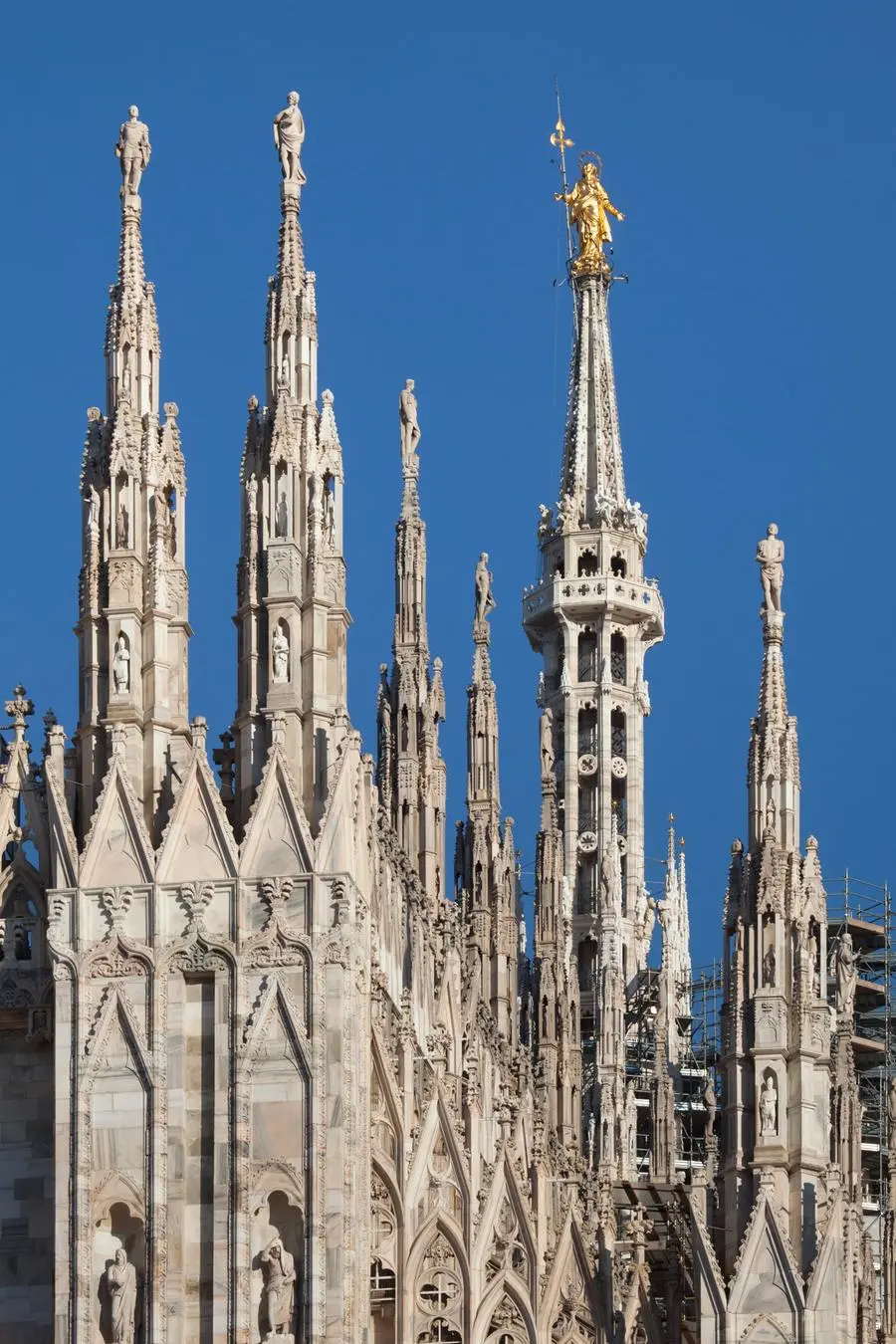
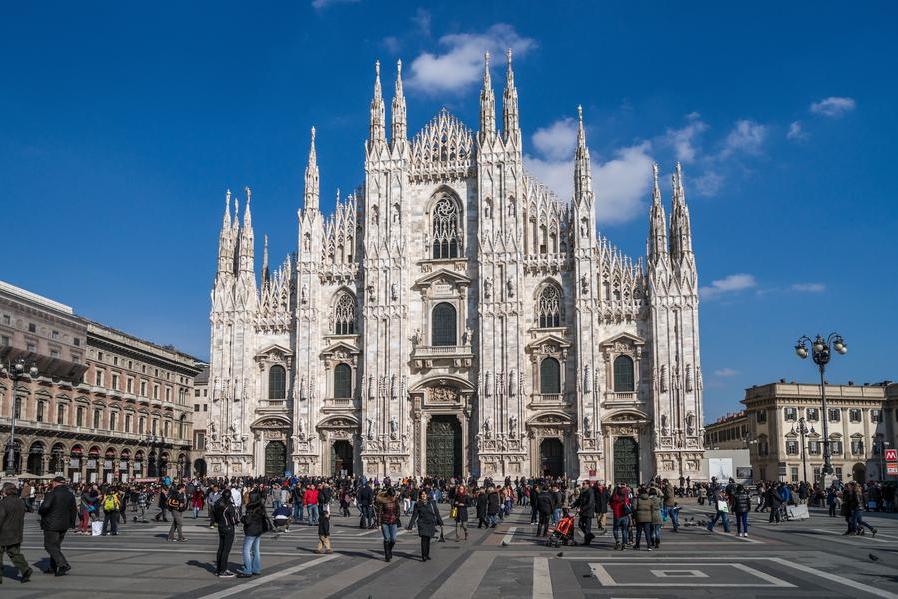
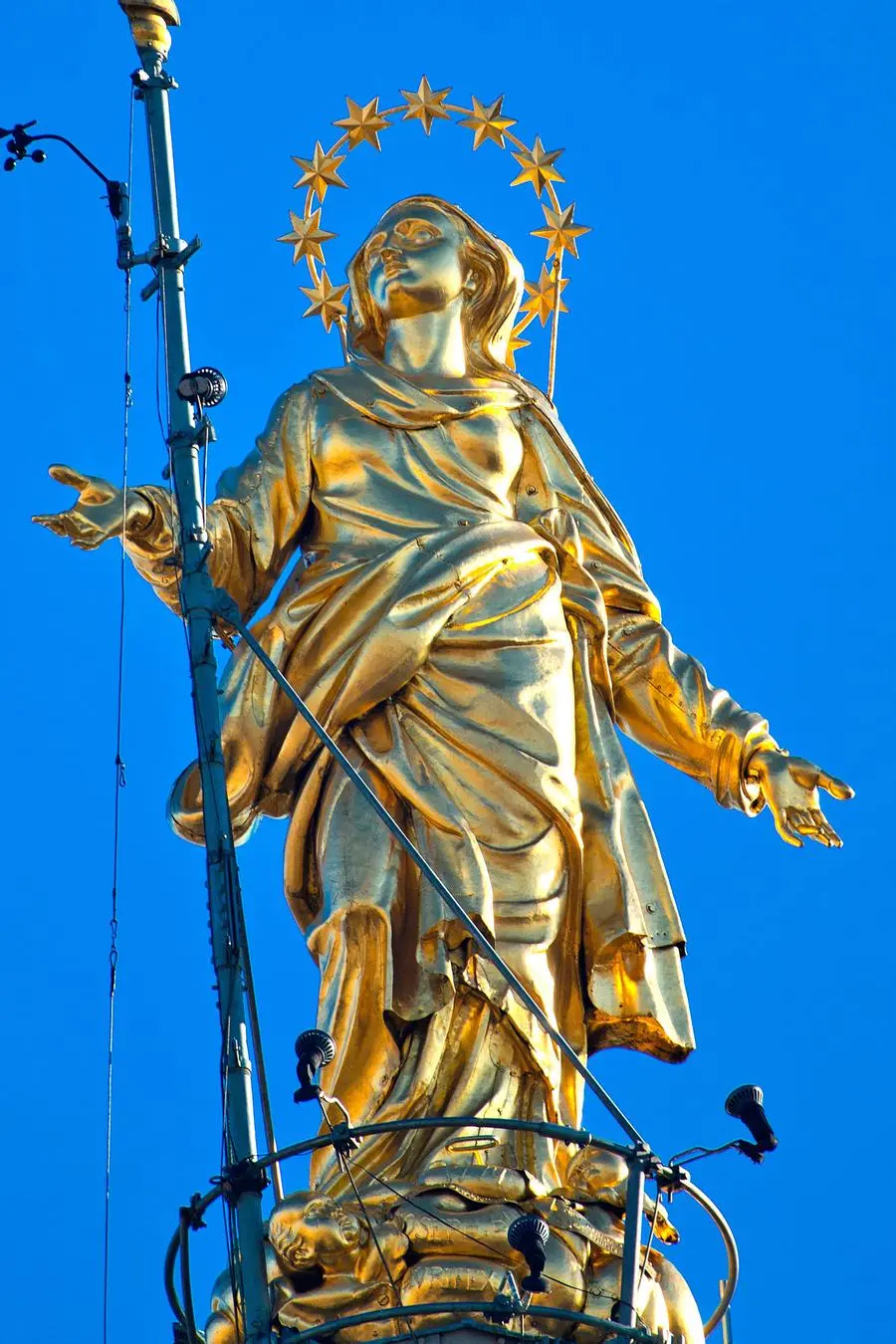
The reference of the title is obviously the statue of the Assumption, which since 1774 has dominated and protected Milan from the Main Spire of the Cathedral at 108.5 meters high. Work by Giuseppe Perego, it has a steel core, which in 1967 replaced the iron original, covered with 33 golden plates. With its 4.16 meters of height, the statue is anything but small, but popular tradition defines it thus, with a term of endearment, to testify to love and devotion, indicating it as a symbol of a city with a big heart and which, if it is always in a hurry, it is because it cares about helping others. The affection, even civic, for the Madonnina is so great that during the Five Days of Milan (18-22 March 1848) the tricolor was attached to it, to signal the withdrawal of the Austrian troops. During the Second World War, however, the statue was covered by a large grey-green cloth, in order to protect it and not offer a point of reference to the Allied bombers. The unveiling took place on May 6, 1945, when many people flocked to the square to share their thanks to the now Blessed Cardinal Ildefonso Schuster, the liberator of his people. And significantly, the Archbishop of Milan had climbed onto the terraces of the Cathedral with a large Rosary to underline the importance that prayer had had for the salvation of the city under bomb fire.
A reminder that tells how the Virgin placed on the cathedral is an essential reference of love and hope for the Milanese and beyond. All the great crises of recent history confirm this, in particular that of the coronavirus pandemic, when Monsignor Mario Delpini performed a gesture that, in an instant, went around the world. On 11 March 2020, the current Archbishop of Milan climbed alone onto the terraces of the Duomo for a prayer that drew inspiration from the text of O my beautiful Madunina. Each verse was, in fact, interspersed with the dialect refrain of the song composed by Giovanni D’Anzi: «O mia bela Madunina che te dominet Milan» (“O my beautiful Madonnina who dominates Milan”). In his prayer, Delpini asked for comfort for the sick (“he still invokes the gift of the Consoling Spirit for all”), support for the carers (“give them strength, patience, goodness, health, peace”), attention to others in the sign of a solidarity that must never fail (“do not allow us, at this moment, to forget those who suffer near and far from the absurdity of war, the unbearable injustice of poverty”).

And, above all, Monsignor Delpini asked Mary to help the faithful not to lose their commitment to communion, not to give in to self-referentiality, to have the right image of the Father: «encourages perseverance in serving, constancy in praying, firmness in faith; may our familiarity with Jesus help us to recognize God who is father, to reject the images of a distant, indifferent, vengeful God”. A service of love that in Milan the Madonna, or rather the Madonnina, carries out every minute of the day and night from the highest point of the Cathedral, so as to better see the city and the people who populate it. However, she is always ready to take to the streets to be close to the sick, the forgotten, those who experience the darkness of abandonment and loneliness.