





They are real allies for heart health, because they help regulate the assimilation of cholesterol in the body. Results are visible in just 6 months.
Excess cholesterol promotes clogged arteries, increases blood pressure and increases the risk of cardiovascular diseases such as heart attack or stroke. To protect your cardiovascular system and limit the risk of hypertension, diet plays a central role. Certain foods should be avoided, while others are recommended to support healthy arteries and maintain good blood circulation. Among them, a small seed stands out. Long forgotten, it nevertheless contains many benefits for the heart. Rich in calcium, magnesium, iron, selenium and vitamin B9, it stands out above all for its high content of soluble fiber, omega-3 and phytoestrogens, three key elements for a healthy heart.
A study published in the Journal of Nutrition showed that regular consumption of this seed significantly lowered the level of LDL cholesterol, the “bad” cholesterol, in people affected by hypercholesterolemia. Its action is based on two mechanisms. First, its fibers trap part of the cholesterol at meal times: “The fibers in these seeds capture cholesterol from food and thus limit its absorption by the body,” explains Mylène Cord’Homme, naturopath and member of the Médoucine network. Then, they exert an anti-inflammatory and antioxidant action: “Thanks to omega-3 and phytoestrogens, these seeds help reduce chronic inflammation and maintain a good balance between HDL cholesterol (the good cholesterol) and LDL”adds the expert.
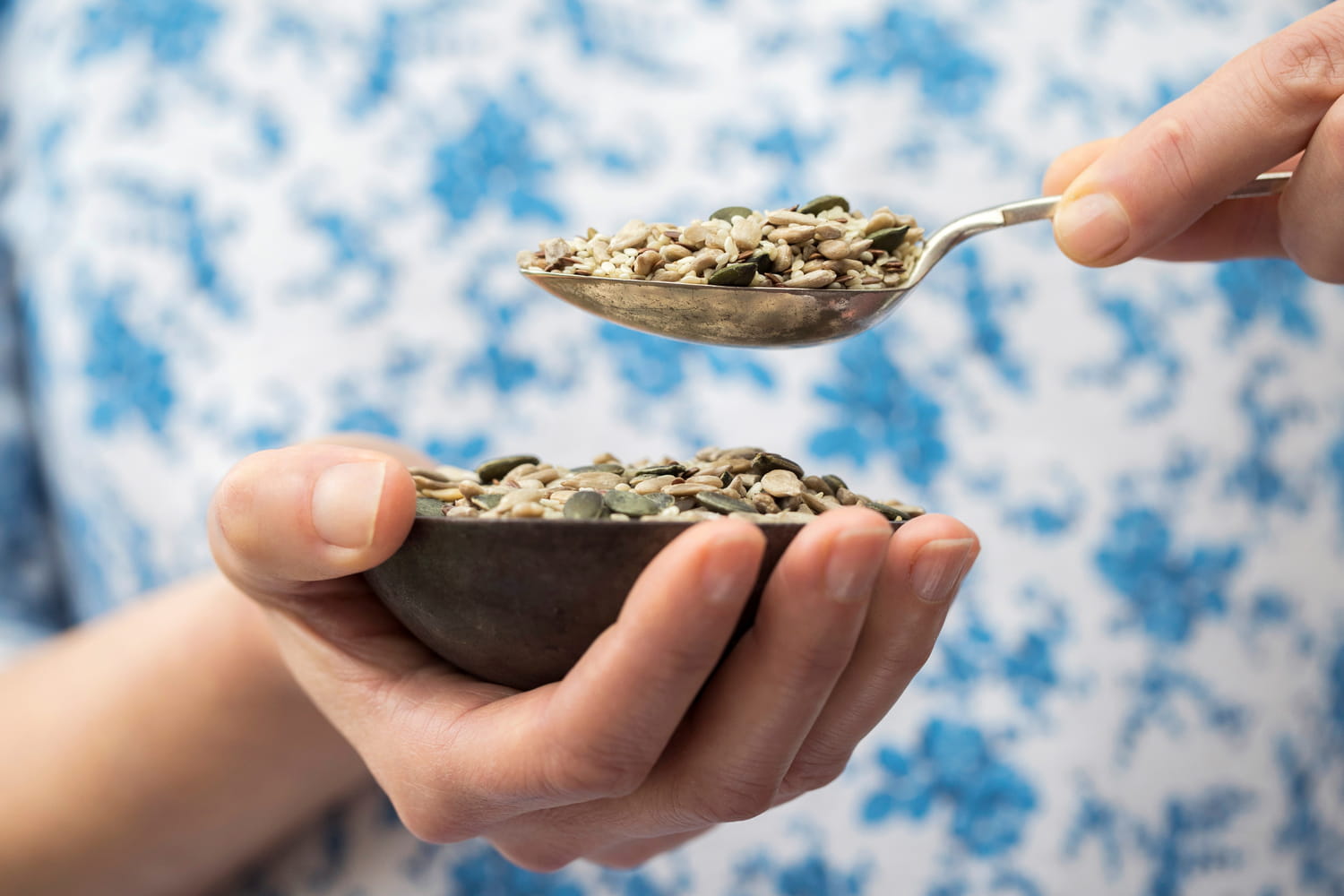
These famous seeds that are essential when you have cholesterol are flax seeds. They are preferably eaten ground to take full advantage of their benefits because their rigid shell prevents proper assimilation of nutrients when consumed whole. “Once ground, they should be stored in an airtight container in the refrigerator and consumed within two weeks, as omega-3s oxidize quickly,” specifies the naturopath. To observe significant effects, it is recommended to consume it daily for at least six months at a rate of one tablespoon per day. For example “in yogurt, compote or smoothie”Or “sprinkled on raw vegetables or soup”.
There are also seeds in the form of linseed oil. It is an interesting alternative for omega-3 intake, but it does not contain fiber. “It must also be kept cool and consumed quickly.” Ideally, we put it “in a homemade vinaigrette with organic cider vinegar”. Warning: it is not recommended to heat flax seeds or their oil, because the heat destroys and transforms the omega-3, which then becomes toxic. Furthermore, flax seeds should be consumed in moderation. “In excess, they can have a laxative effect and cause stomach aches,” warns the naturopath. In addition, they contain phytoestrogens, which makes them contraindicated in the event of a history of hormone-dependent cancer (such as breast cancer).
While flax seeds are valuable support for regulating cholesterol, they do not replace a balanced diet. “To optimize their effects, it is advisable to limit animal fats and alcohol and to accompany their consumption with a diet rich in fruits and vegetables and good lipids”concludes the naturopath. A little extra help? “Draining liver plant cures such as milk thistle and artichoke leaves, known for their benefits on the liver”.