




This rule forgotten when overtaking a cyclist can cost motorists 135 euros.
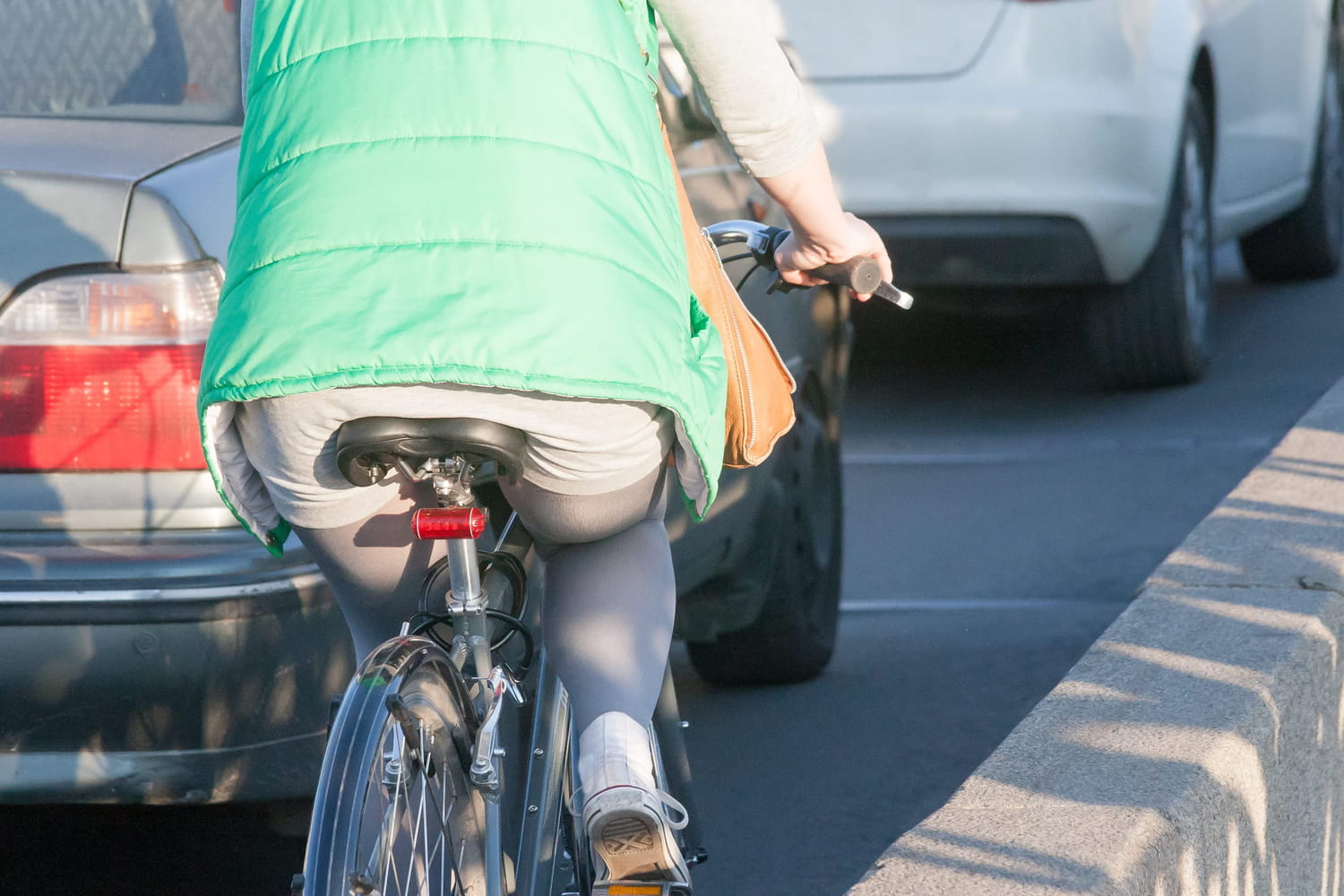
In town and outside towns, many motorists still think that it is enough to “be careful” to overtake a bicycle or two-wheeler in complete safety. In reality, the highway code imposes a much more precise rule, and forgetting it can be costly. Because when a driver squeezes a cyclist a little too closely, he is not only committing negligence: he is also exposing himself to a fine. Moreover, before any overtaking, the driver must ensure that he can do so “without danger”.
This reminder is far from trivial. A bicycle can swerve slightly to avoid a manhole, a door or a pothole. A scooter or a light motorcycle can also be destabilized if the car passes too close. It is precisely for this reason that the law is not content with a vague formula on caution: it sets a minimum lateral distance to be respected when overtaking certain particularly vulnerable users, including two or three-wheel motorists.
The official text appears in article R414-4 of the highway code and specifies: “In any case, he must not approach it laterally within one meter in built-up areas and one and a half meters outside built-up areas if it is an animal-drawn vehicle, a two- or three-wheeled vehicle, a pedestrian, a rider or an animal. In other words, to overtake a cyclist, a scooter or another two-wheeler, the rule is clear: 1 meter minimum in built-up areas, 1.5 meters outside built-up areas.
This detail is often forgotten, even though it is one of the basics of road safety. And the sanction does indeed exist: non-compliance with this provision is punishable by the amendment provided for 4th class contraventions, i.e. 135 euros in the general case. For drivers, the message is simple: if the available width does not allow this safety margin, it is better to wait a few seconds before overtaking.
In practice, this rule reminds us that when overtaking it is worth anticipating the distance between the car and the two-wheeler, but also the visibility behind and in the lane opposite. At a time when bicycle travel is increasing, particularly in urban areas, keeping this distance is not a simple courtesy reflex: it is a legal obligation, designed to avoid shocks, imbalances and sometimes dramatic accidents.