






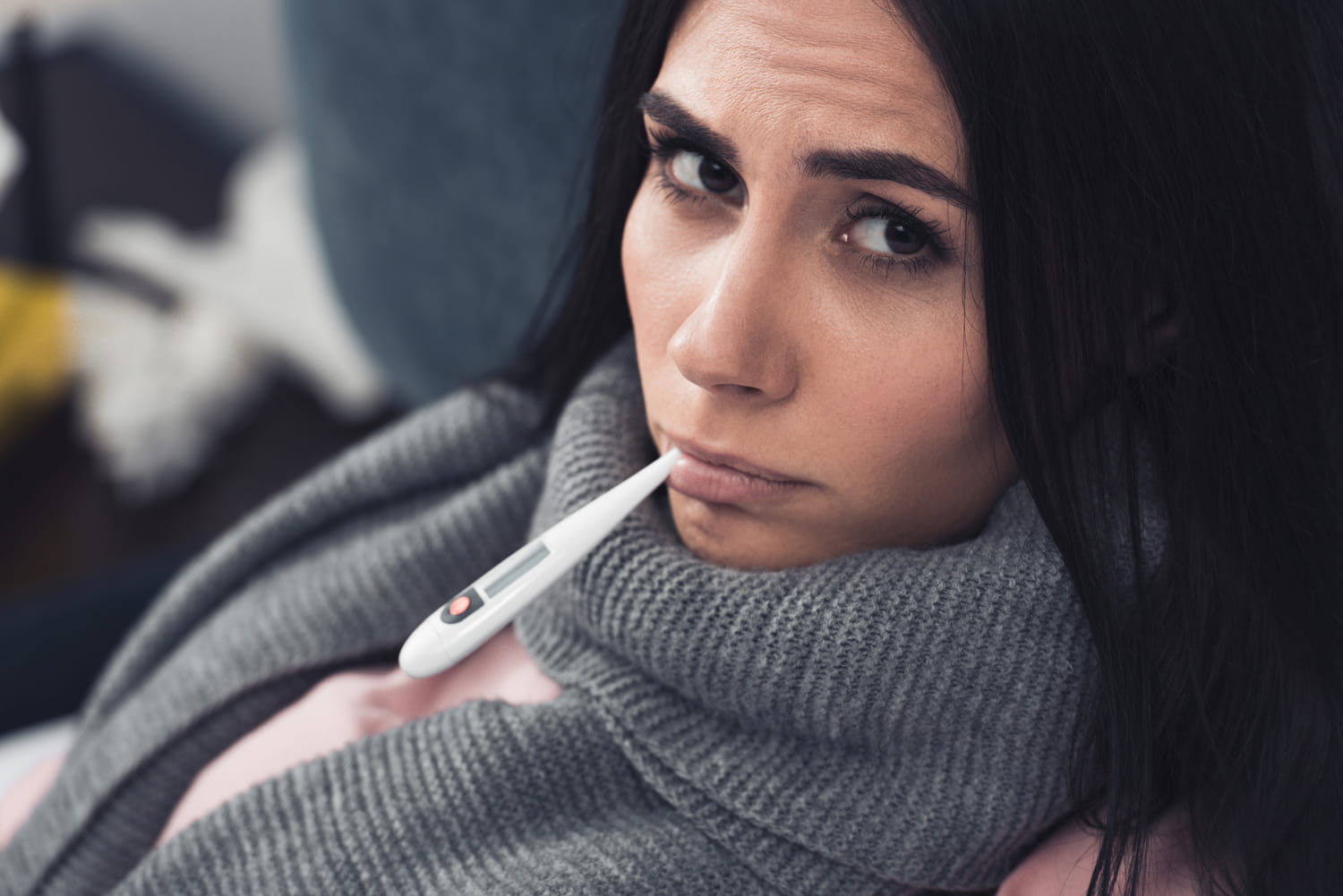
If contamination begins to decline, hospitalizations and serious forms often continue to increase for 1 to 2 weeks after the peak of transmission.
2 to 6 million people get the flu every year. According to the national bulletin from Public Health France of January 7, 2026, the epidemic is now widespread over almost the entire territory: all metropolitan regions are in the epidemic phase. Overseas, the situation is also critical, with the exception of Reunion which is currently the only area still in the pre-epidemic phase. In mid-January 2026, a plateau or slight decline in indicators (consultations and visits to emergency rooms) is observed, although the whole of mainland France remains in the epidemic phase. This suggests that peak consultations may have been reached or are about to be reached. Unlike in community medicine, hospitalizations after visits to the emergency room continue to increase. The bulletin reports a continued increase in the number of flu-related deaths. Those over 65 are the most affected by the flu. This year, type A viruses predominate “very widely”. Among the subviruses, the variant K is in the majority. The director of the Pasteur Institute in Paris Marie-Anne Rameix-Welti had warned about “a fairly tough season (flu, editor’s note)” in Le Parisien. People at risk of serious complications (over 65 years oldpregnant women, etc.) are invited to vaccinate in pharmacies or from their doctors. Barrier gestures are essential : put on a mask from the first symptoms (fever, runny nose or cough) in busy places or in the presence of vulnerable people; wash your hands correctly and regularly; ventilate the rooms. They slow down the transmission of viruses, especially at this time when those of bronchiolitis and Covid are co-circulating.
What do you call the flu? A flu syndrome?
The flu is a acute respiratory infectionof viral origin, due to a Influenza virus. It is an infectious and contagious diseasewhich is subject to seasonal epidemics, generally observed during the fall and winter. It is different from a flu syndrome which can be due to many other respiratory viruses such as rhinovirus, respiratory syncytial virus… Most of the time mild, the flu can however be serious in fragile people.
What viruses are responsible? How do we catch it?

Influenza viruses are divided into two types: A and Bdividing themselves into two subtypes (A(H3N2) and A(H1N1) pdm09) or lineages (B/Victoria and B/Yamagata). Viruses A and B are the cause of seasonal epidemics but only type A viruses have been responsible for pandemics to this day. To be infected with the flu virus, you must be in contact with someone who already has the flu. Contamination can occur in three ways:
- By air : a sick person projects droplets of saliva into the air, when talking, coughing or sneezing. Millions of viruses then end up in the air, ready to be inhaled and contaminate you.
- By close direct contact : a sick person shakes your hand or kisses you.
- Speak contact with touched objects by a sick person, for example a door handle or a telephone.
What are the typical symptoms of the flu?
- a great fatigue which flattens
- chills even when you are not cold
- a dry, painful cough
- then the fever which can rise to more than 39°c
- aches
- headaches
In all cases, in the event of a sudden worsening or without improvement in the condition 72 hours after the first symptomsit is absolutely necessary consult a doctor.
Generally during the flu, coughing is dry and painful. Sometimes this dry cough turns into a wet cough. The cough can last up to 3 weeks or more. It is worrying if it is accompanied by persistent fever, difficulty breathing, a change in skin color, or in the case of children, pauses in breathing and choking.
When to get the flu vaccine?
The flu vaccination campaign begins each year on October 15 in France. This campaign is coupled with the COVID-19 vaccination campaign. It targets all people aged 65 and over, people aged over 6 months with comorbidities with a high risk of severe form of the disease, immunocompromised people, pregnant women, residents in follow-up care establishments or in medico-social establishments regardless of their age, as well as people living in the entourage or in regular contact with people who are immunocompromised or vulnerable to serious forms of the infection, including healthcare professionals. THE vaccines vaccines available in 2025 Vaxigrip® (Sanofi-Pasteur Laboratory) and Influvac® (Viatris Laboratory) for adults and children from 6 months, the vaccine Flucelvax® (CSL Seqirus) for adults and children from 2 years old and vaccines Efluelda® (Sanofi Laboratory) and Fluad® (CSL Seqirus Laboratory) for adults aged 65 and over. It’s necessary allow approximately 15 days between vaccination and the moment when the body is protected against the flu.
What is the average duration of the flu?
A tough flu between 3 and 7 days (5 days on average).
What is the incubation time for the flu?
“The incubation time (time between the time of illness and the appearance of symptoms) generally lasts between 24 and 48 hours, but it can extend to 72 hoursrecalls Dr Parneix. However, the patient is contagious, even before the appearance of symptoms and during an average period of 6 days.“
How long are you contagious when you have the flu?
The flu is a contagious disease. The patient can transmit iteven before symptoms appear and during an average period of 6 days” recalls our interlocutor.
There is a rapid influenza antigen test that can be done in pharmacy without a prescription. It consists of a sample from the nose and must be done in the 24-48 hours after the first symptoms appear (sudden fever above 39°C, headache, body aches, cough, extreme fatigue). Results are available in 15-30 minutes. Attention, “its sensitivity is low in adults, can be at less than 60% between 70 to 90% in children” indicates the HAS. There are also rapid tests which combine flu and Covid, also in pharmacies. These tests are not reimbursed by Health Insurance. price of a flu test (often combined with Covid) is between 2 and 10 euros per unit depending on the type of kit, the brand and the pharmacy.
What are the treatments to treat the flu?
- Take some paracetamol to reduce fever, pain and aches.
- There vitamin C is also sometimes recommended to combat fatigue. Likewise, certain foods are particularly recommended to better combat fatigue.
- If necessary, we can supplement with a nasal decongestant and a cough suppressant for dry and stubborn coughs.
- Finally, it is necessary drink plenty of water and rest.
“The flu is caused by a virus and antibiotics are completely ineffective to treat viral diseases, moreover they could deteriorate the good bacteria which the body needs to defend itself from the disease” recalls Dr Pierre Parneix.
- Cough into the crook of your elbow and cover your nose when you sneeze,
- Wash your hands with soap regularly during the day, especially after blowing your nose, coughing or sneezing.
- Blow your nose into a tissue and then throw it in the trash, ideally closed with a lid,
- To carry a surgical mask.
- THE hydroalcoholic gel is also practical, but in the long term it can dry out your hands.
- Ventilate your interior every day for between 10 and 15 minutes to renew the air
- Finally, remember to ventilate the rooms regularly, several times a day: this will eliminate stagnant viruses in the air, through sneezing and breathing.
- Clean germ nests such as door handles, remote controls, phone screens, etc.
Finally, avoid contact with those most vulnerable to the flu virus: pregnant women, seniors, people suffering from a chronic illness or immunodeficient, young children, etc.
Thanks to Dr Pierre Parneix, medical officer of health and hospital public health practitioner (Bordeaux University Hospital).