



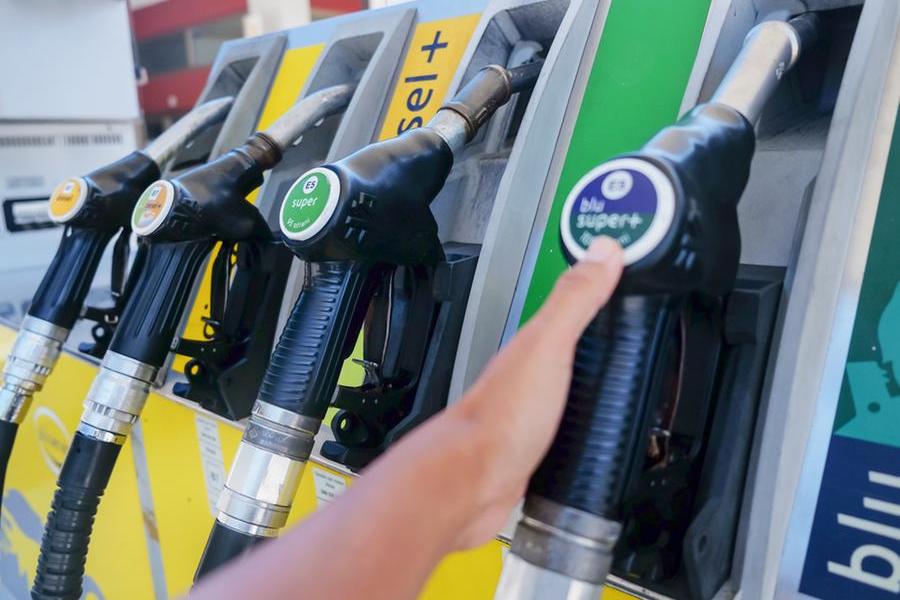
The price of petrol goes up again and in some distributors it has already exceeded two euros per litre, especially on motorways. Diesel also continues to increase, with increases that are causing concern these days motorists and businesses.
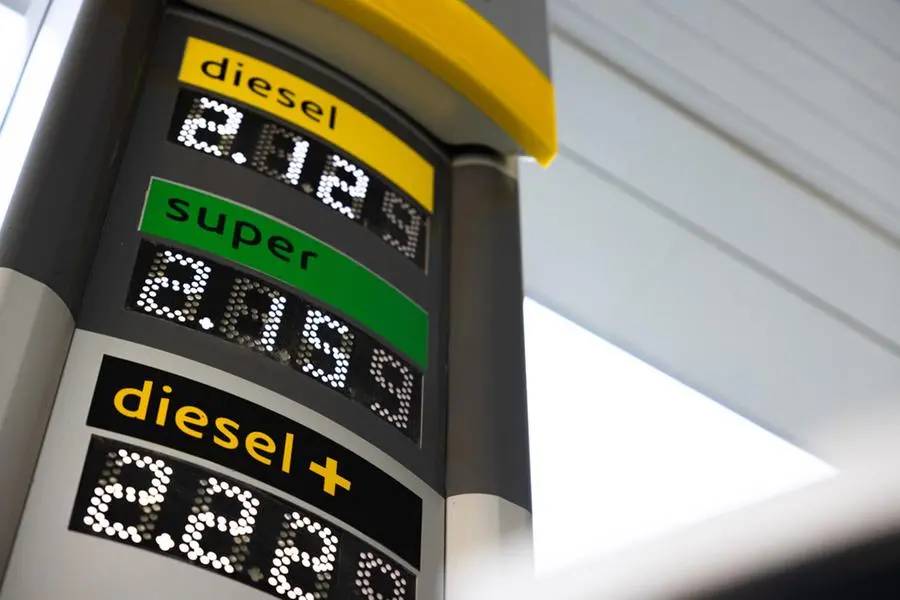
According to the findings of the Price Observatory of the Ministry of Business and Made in Italy, self-service petrol is around 1.74 euros per litrewhile diesel is close to 1.86 euros. In motorway distributors and However, in the assisted service prices can exceed 2 euros per litre.
But what does the war in Iran have to do with the cost of fuel we pay in Italy?
The answer comes from one of the most strategic points on the planet for oil trading: lo Strait of Hormuzthe stretch of sea that connects the Persian Gulf to the Indian Ocean. From here it passes approximately a fifth of all oil transported by sea around the world.
As the conflict in the region escalates, the passage through the strait is effectively blocked: many oil tankers are stopped on both sides of the route and maritime traffic was suspended.
When such an important path is interrupted, the markets react immediately: the price of oil rises and, within a short time, the increase is also reflected in fuel.
The oil that Italy uses does not only come from the Middle East
According to data from the Energy Union for Mobility, the largest share of oil imported by our country comes from Africawhich it provides over 40% of crude oil used in Italy. The main partner is the Libyafollowed by Nigeria, Niger And Algeria.
An important part also comes fromCaspian Sea areaespecially from Azerbaijan And Kazakhstanas well as give them United States and from Brazil.
On the other hand, approximately 12% of oil comes from the Middle East imported from Italy, especially from Iraq And Saudi Arabia.
Because petrol increases anyway
Even though Italy is not directly dependent on Iranian oil, the price of crude oil is established on international markets.
When a conflict puts the passage of large quantities of oil at risk, as is happening in the Strait of Hormuz, the cost of a barrel increases for all countries. Consequently, the increase also reaches distributors.
According to some consumer associations, however, part of the increases could also be linked to speculative phenomenaWhy Part of the fuel sold today comes from stocks purchased months ago, when the price of oil it was shorter.
The government carefully follows the trend in energy prices: the Prime Minister, Giorgia Melonistated that the objective is to avoid speculative phenomena along the energy supply chain and said to be ready to increase taxes on companies that speculate. In the meantime, a task force of the Energy Authority has been activated for monitor price trends.
The risk for families and businesses
The increase in fuel It’s not just about who fills up. When the cost of energy increases, so do the costs costs for the transport of goods and for many productive activities. This can translate, in a short time, into higher prices for different productsgive it food to the everyday goods.
Much will depend on the duration of the crisis. If the war continues for a long time and the blockade in the Strait of Hormuz continues, the price of oil could rise further.
Some international analysts fear that the barrel could return close to 100 dollarslevels already reached in the past during other cenergetic laughs. In a similar scenario, the effects would also be felt on theItalian economy: not only on fuels, but also on energy bills and on cost of living.