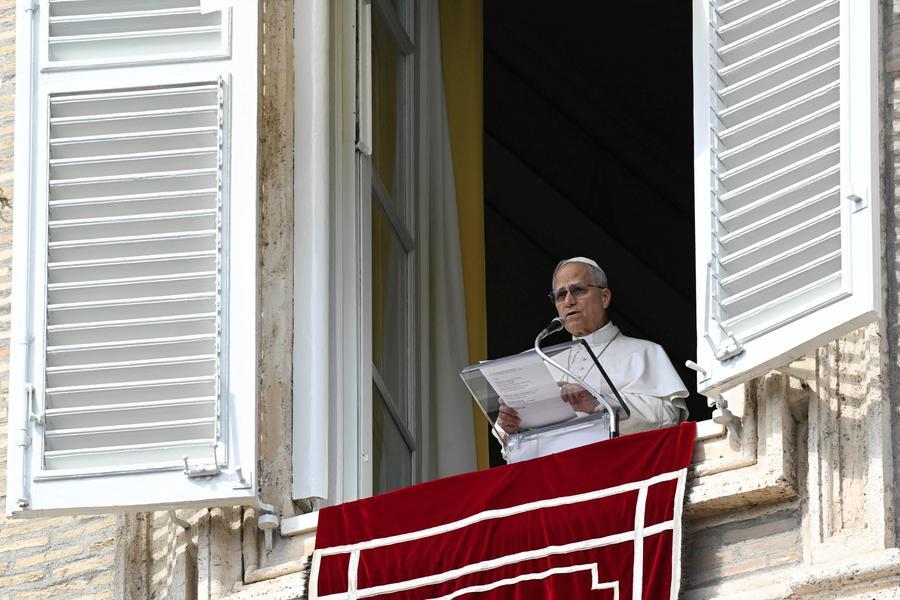
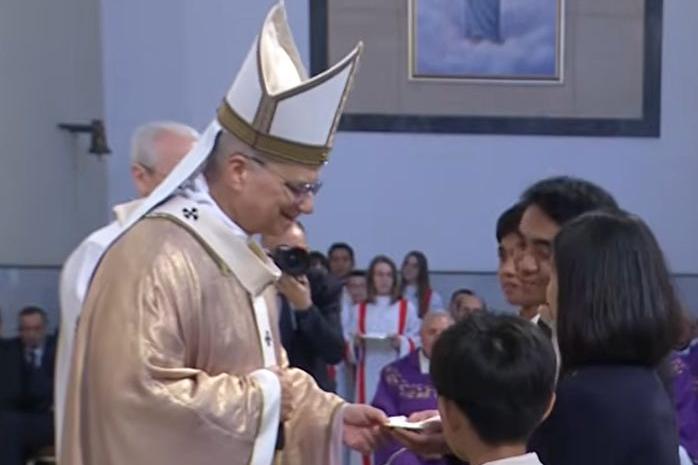





A Eucharistic celebration marked by joy in the midst of a suffering world. Pope Leo, in the parish of the Sacred Heart of Jesus, in Ponte Mammolo, a neighborhood which also includes the Rebibbia prison, explains in which context we must insert the Sunday known as “laetare”, that is, “rejoice”, from the words of Isaiah: “Rejoice, Jerusalem”.
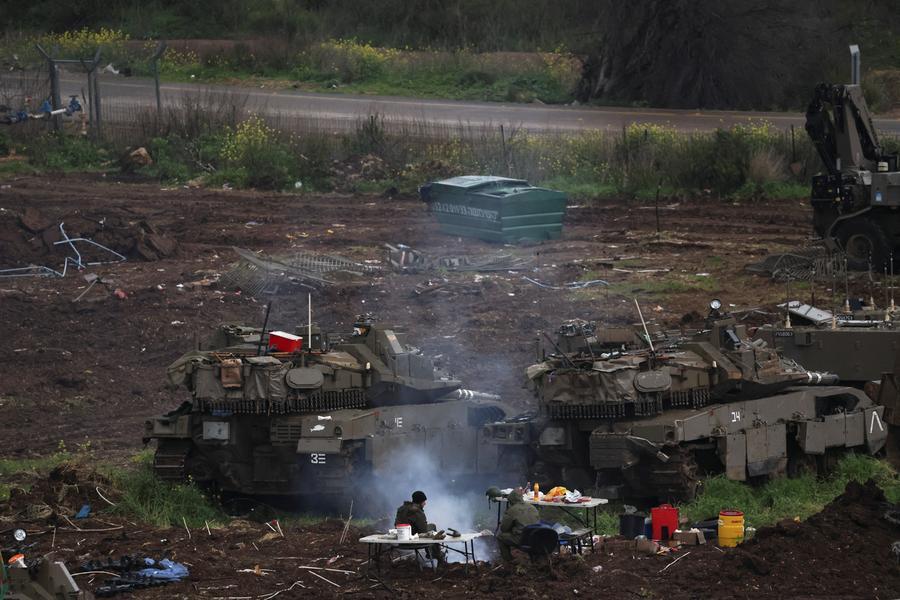
The Pontiff immediately speaks of the ongoing war, of the conflicts «caused by the absurd claim to resolve problems and differences with war, while we need to dialogue without respite for peace. Some, then, even claim to involve the name of God in these choices of death, but God cannot be enlisted by darkness.”
God, however, comes “to give light, hope and peace to humanity, and it is peace that those who invoke him must seek”. This is the message of this Sunday: “beyond any abyss into which man can fall, because of his sins, Christ comes to bring a stronger light, capable of freeing him from the blindness of evil, so that he can begin a new life”.
We must then ask ourselves about the gaze, about what it means to “look with the eyes of God”.
The Pope, explaining the Sunday Gospel, explains that Jesus looks at the blind man «with love, not as an inferior being or an annoying presence, but as a dear person in need of help. Thus their meeting becomes an opportunity for the work of God to be manifested in everyone.” With the mud and saliva it restores sight, and man becomes a witness of light. But there is a struggle and also a misunderstanding. Instead of rejoicing at his newfound sight, hostility grows around the man and he is not defended even by his parents. «It almost seems, absurdly, that those close to him want to undo what happened. Not only that: in the interrogation to which the blind man who can now see is subjected, the person on trial is above all Jesus, accused of having violated the Sabbath day in order to heal him.”
Here, then, another blindness appears. That of those who trade “the possibility of a saving encounter” for a “legalistic observance of a formal discipline”. But Jesus does not stop and shows that «there is no “Sabbath” that can hinder an act of love».
And it also speaks of the love and light of Christ that dispenses the parish, since its establishment, 90 years. A parish that «lives this mission faithfully, with special care for situations of poverty, marginalization and emergency, with attention to the presence, in its territory, of the Rebibbia prison, and with many other signs of sensitivity and solidarity». The Pontiff says he is aware that «you help many brothers and sisters from other countries to settle here: to learn the language, to find a dignified home and to carry out an honest and safe job. There is no shortage of difficulties, unfortunately sometimes accentuated by those who, without scruples, take advantage of the poverty of the weakest to advance their own interests. However, I am aware of how much all of you are committed to facing these challenges, through the services of Caritas, the family homes to welcome women and mothers in difficulty and many other initiatives. Just as I am aware of the vitality and generosity with which you dedicate yourself to the education of young people and children, with the oratory and with other training proposals”. And he encourages parishioners to continue to grow “the gift of light that is entrusted to you”. Make it grow «in you and among you in all its sweetness» to spread it «in the world, with prayer, attendance at the Sacraments and charity. Continue to commit yourself in this way on your journey.”