




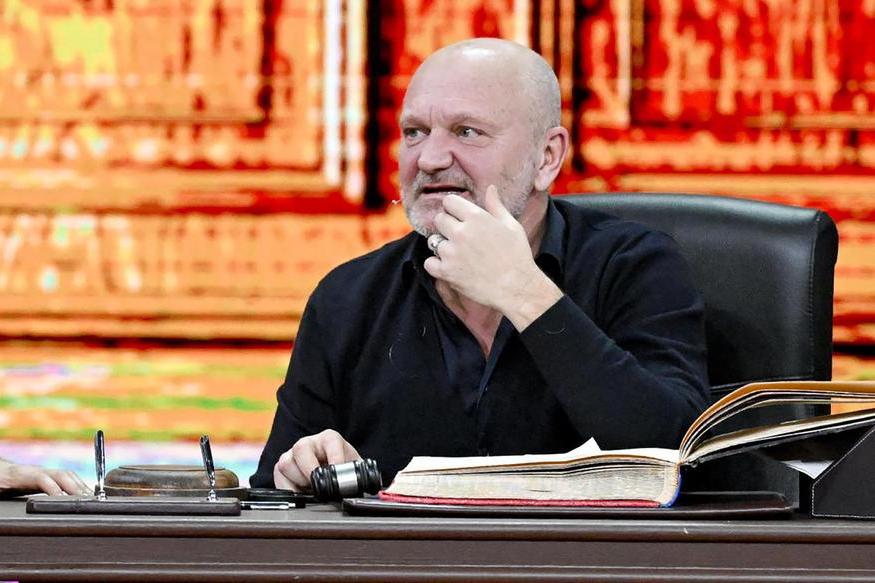
The case Andrea Pucci to Sanremo – chosen by Carlo Conti as co-host of the third evening, but then forced to give up after criticism and social attacks – leaves a bitter reflection. It is alarming that an artist must take a step back in the face of insults, threats and insults aimed not only at him, but also at his family: «The insults, threats, epithets and so on received by me and my family in recent days are incomprehensible and unacceptable!», the comedian said. No one should ever find themselves in a similar situation: Pucci must be defended, just as all those who suffer gratuitous and violent attacks must be defended.
At the same time, it is perplexing to see politics and the heads of institutions taking sides so unitedly on a case of entertainment. Prime Minister Meloni spoke of a “climate of intimidation and hatred” and denounced the “double standards of the left”, while Deputy Prime Minister Salvini stated: «I’m with Andrea Pucci. Long live freedom of thought, words and smile.” La Russa, president of the Senate and second position in the state, called him to tell him to rethink his refusal. Other members of the majority reiterated their support for the freedom of satire and their closeness to the artist and his family. Legitimate solidarity, of course, but surprising if you consider that issues of real national importance are put into the background to comment on the presence of a comedian on the Sanremo stage.
This story highlights two uncomfortable truths. The first: verbal violence and threats on social media are never acceptable, and those who suffer them deserve protection and support. Criticizing a comedy or a show is legitimate, but always respecting the person and their family.
The second: behind Pucci’s defense we can glimpse a clear political exploitation. The right turns a case of entertainment into an opportunity to present itself as a bulwark of freedom of expression against a left perceived as obtuse and censorious. It is a mixture of politics and entertainment that distracts from public attention on more urgent issues, from economic problems to the social crisis, reducing relevant issues to pawns in an ideological clash.
In this short circuit between politics, institutions and entertainment, the clear lesson is that Pucci, like anyone who suffers attacks that go beyond the threshold of civil criticism and end in hatred and threats, deserves defense and protection; While politicians should deal with what really affects the lives of Italians, letting art and satire live free from the weight of power games.