




What if the secret to longevity was not written in the genes, but in the blood? A Swiss study has just made a stunning discovery: in certain centenarians, biological markers seem to have stopped aging, displaying health identical to that of 30-year-olds.
We often think that living a long life is just a matter of luck or good genes. A revolutionary study contradicts this preconceived idea and proves that the blood of certain people defies the laws of time and offers new instructions for protecting our own youth capital. This study, called “Swiss100”, is fascinating because it suggests that exceptional longevity is not just a matter of luck. It shows that centenarians are not just “old people who survived”, but people whose biology seems to work differently.
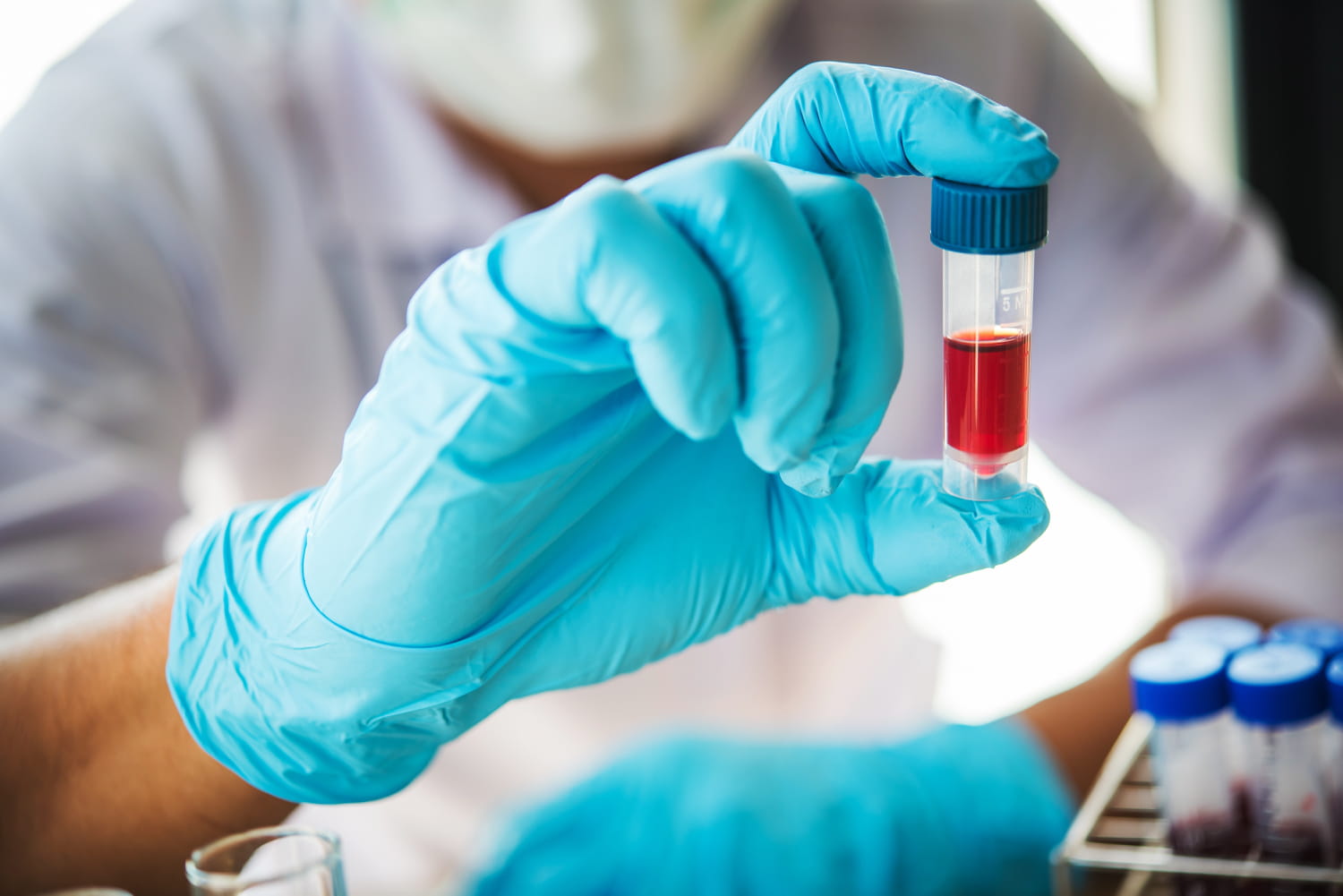
To do this, the researchers analyzed more than 700 proteins in the blood of people aged at least 100 in Switzerland and compared them to those of octogenarians (80 years old) and thirty-year-olds (30 years old). They found that 37 specific proteins in centenarians resemble those in 30-year-olds much more than those in 80-year-olds. According to the researchers, the blood of centenarians is remarkably little “oxidized” (oxidative stress is what causes cells to “rust”) and shows very low levels of inflammatory molecules. Their immune system does not appear to be on permanent alert, which preserves their organs and blood vessels.
In their study published in the review Aging Cell, researchers also noticed that certain proteins related to fat and insulin metabolism (like the DPP-4 protein) remain at very healthy levels. This allows centenarians to maintain a perfect blood sugar balance without their body having to strain, which naturally protects them from metabolic diseases.
Although we cannot yet “order” new blood in pharmacies, this study gives us concrete ideas on how to move towards this biological profile. To “reproduce” this blood profile, researchers recommend stopping eating for at least 12 hours (the principle of intermittent fasting) to activate the self-cleaning of cells and recycle damaged proteins.
It is also important to limit refined and hidden sugars as much as possible in order to avoid blood sugar peaks which age the blood. Stimulating your own internal antioxidants through regular physical activity and consuming omega-3 (oily fish, nuts) helps maintain a cellular engine without “rust” and low inflammation. Finally, optimizing deep sleep remains the best natural filter for purifying the blood system.
This study shows that it is as if these centenarians had “skipped” the stage of degradation that we normally see at age 80. This means that their biological protection was built well in advance. It’s around the age of 40 that everything comes into play: cellular waste begins to accumulate and lifestyle (diet, sport, stress management) has the greatest impact on the trajectory that your blood will take for the next 50 years. But it is never too late to optimize your lifestyle: even if you are 50 or 60 years old, adopting these habits helps slow the increase in oxidative stress and stabilize your biological “scaffolding” for decades to come. Finally, by understanding the blood of centenarians, science hopes to one day create treatments or nutritional advice to help everyone “age slower” at the molecular level.