




If the evenings get longer in spring, it is because of a well-known astronomical phenomenon: the tilt of the Earth on its axis. At this time, the northern hemisphere receives more light from the Sun and the sunset time gradually moves back.
The length of daylight has been increasing rapidly since the end of winter and it will continue! This phenomenon is explained by the way the Earth moves around the Sun. Our planet is tilted about 23.5 degrees on its axis and, in spring, the northern hemisphere gradually turns towards the solar star. The rays then reach us more directly and the portion of the illuminated planet extends a little more each day. Result: the sun rises earlier and sets later. The transition to summer time, which is approaching, will further accentuate this impression. Concretely, from April, the length of daylight will gain several minutes each evening. Many are already starting to notice it: it is still light at dinner time and the evenings seem significantly longer than in the middle of December.
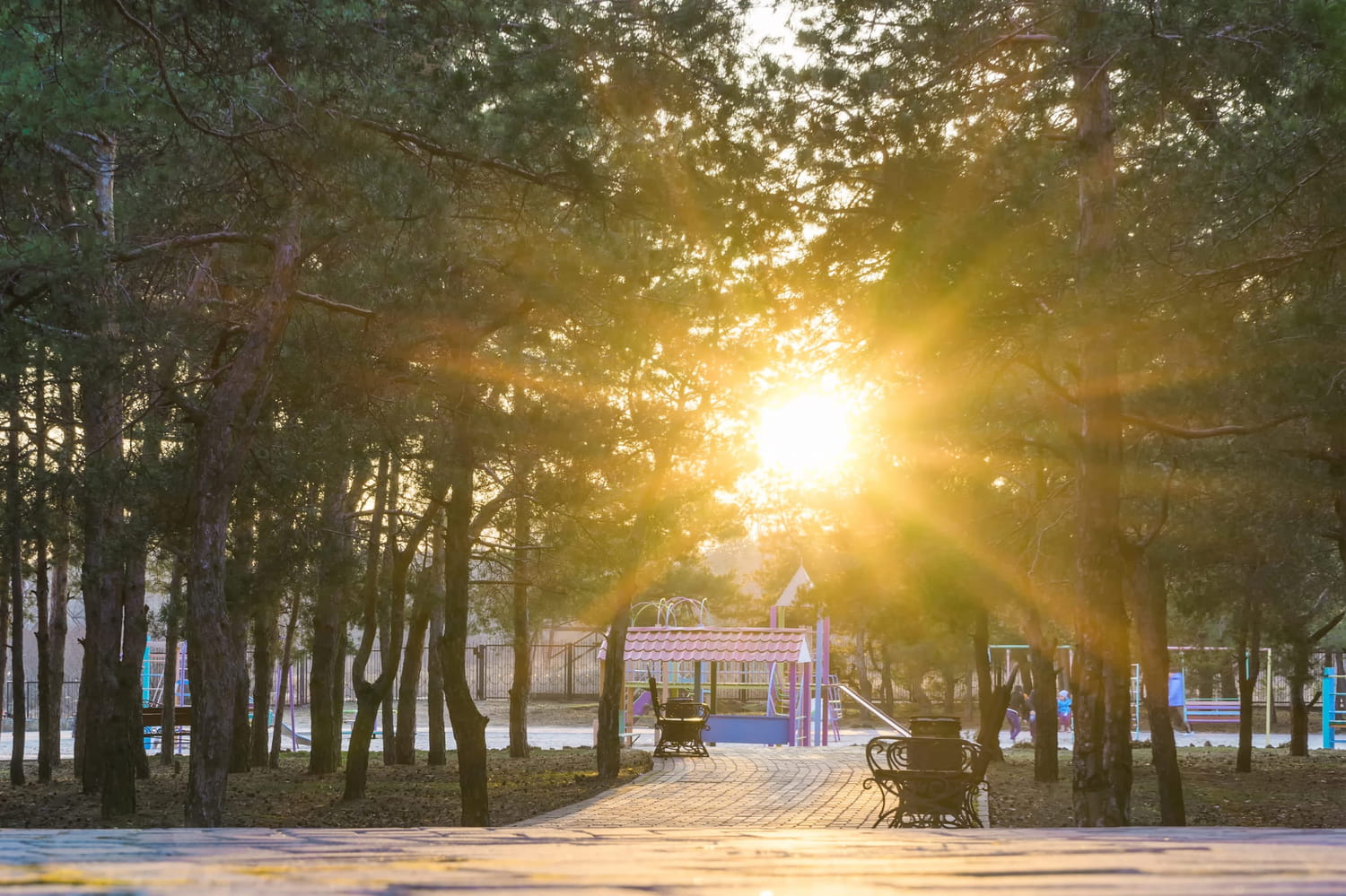
But a particular threshold is awaited with great impatience: that where the sun sets after 9 p.m. From that moment on, it’s no longer just about gaining a few extra minutes of light, but about disrupting the rhythm of our days. The evenings take on a whole new dimension: dinners continue in the garden, the terraces start to fill up, walks after work become easier, and the feeling of making the most of the day really takes hold. This landmark returns every year in spring and often marks, in the collective imagination, the true return of the beautiful season.
In the north of France, this milestone is reached around May 1st. For example, the sun will set at 9:04 p.m. in Paris, on this date, for the first time this year. Then, the phenomenon will accelerate further: a few days later, the sun will disappear around 9:10 p.m., then around 9:15 p.m. in mid-May. In the south of the country, as in Marseille, this milestone will arrive around ten days later, because the further south you go, the earlier the sun sets on the same date. You have to wait until May 10 or 11 for the sun to set at 9 p.m. for the first time of the year in the Marseille city. The length of the day is always slightly longer than in the south at the same time.
The weeks that follow prolong this pleasant impression of endless days. As the summer solstice approaches, around June 21, a peak is reached: sunset approaches 10 p.m. in some regions. This late light not only changes the atmosphere of the evenings: it also influences daily well-being. Exposure to natural light plays an essential role in regulating the biological clock. It participates in particular in the production of serotonin, a neurotransmitter involved in mood and well-being.
Brighter evenings also encourage spending more time outdoors, seeing friends, walking more or engaging in physical activity. So many habits associated with better overall health. With the return of sunset at 9 p.m., a particularly bright period begins, and which will accompany the days until the heart of summer.